REVIEW · ARUBA
Aruba Natural Pool and Indian Cave Rugged Jeep Safari
Book on Viator →Operated by ABC Tours Aruba · Bookable on Viator
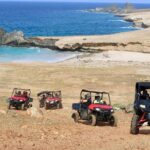
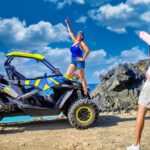
Aruba gets rugged fast. This open-air Jeep safari takes you into Arikok National Park and down to the Natural Pool for a real swim break, plus snorkeling time and cultural stops you can’t reach the same way by car.
I especially love the way the guides turn the ride into a story, not just transportation. On trips with crews like JJ and MarK, and also Curt and Jonathan, the energy stays high while safety stays serious, and you’ll get pointed toward great photo moments along the way.
One thing to plan for: the whole experience is bumpy and rocky. The Natural Pool walk and the shoreline steps can be slick, so you’ll want water shoes, and if you’re prone to car sickness, bring something for that.
In This Review
- Key highlights worth knowing
- Jeep Safari vs. Self-Driving: Why This Route Feels Different
- Where You Start in Oranjestad and What to Bring
- Ayo and Casibari Rock Formations: The Cultural Stop People Often Remember
- Arikok National Park: Rugged Tracks, Wildlife Chances, and Big Views
- What can be a drawback here
- Conchi Natural Pool: Where the Waves Hit Back (and You Actually Swim)
- The real-world details that matter
- Extra Stops You Might Catch: Beaches, Caves, and the “How Did That Happen?” Moments
- Snorkeling Gear and Marine Life: What You Should Realize Up Front
- Transport, Pace, and Group Size: The “Enjoy It, Don’t Rush It” Balance
- Lunch, Water, and Practical Comfort on a Morning Start
- Price and Value: What You Pay vs. What You’ll Pay Extra
- Who Should Book This Jeep Safari (and Who Should Skip It)
- The Guide Makes or Breaks It: What to Look For
- Should You Book the Aruba Natural Pool and Jeep Safari?
- FAQ
- How long is the Aruba Natural Pool and Indian Cave Rugged Jeep Safari?
- Where do I meet for the tour?
- What time should I arrive?
- Is snorkeling gear included?
- Is the Arikok National Park entrance fee included in the price?
- Does the tour provide hotel pickup?
Key highlights worth knowing
- Open-air 4×4 thrills on Aruba’s rough tracks, with plenty of stops for views
- Ayo (and Casibari) rock formations tied to Arawak stories and rock art
- Arikok National Park time to spot wildlife and see Aruba’s dramatic volcanic terrain
- Conchi Natural Pool swim with a wave-sheltering rock wall and snorkeling gear
- Small-ish group feel with a maximum of 80 travelers
- Pro-level footwear tip: water shoes make the rocky walk much easier
Jeep Safari vs. Self-Driving: Why This Route Feels Different
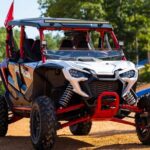
If you’re visiting Aruba and you’re mostly thinking beach, this tour is your off-road reset button. The value here isn’t just the destination—it’s the way you get there. An open-air Jeep can handle rougher ground and take you along paths that would be stressful or impractical on your own. You’re not guessing turns, measuring distances, or worrying about whether a route is passable.
You’ll also see Aruba in a way many people miss: volcanic rock, arid plants, and coastline angles that don’t show up from the main roads. Arikok National Park is the big stage, and this itinerary is built around getting you out in the field long enough to feel the island’s scale.
The other reason I like this setup: you come with guidance. Guides don’t just point. They add context and keep the group moving at a pace that feels comfortable for most people with moderate physical fitness.
You can also read our reviews of more tours and experiences in Aruba
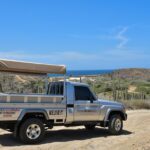
Where You Start in Oranjestad and What to Bring
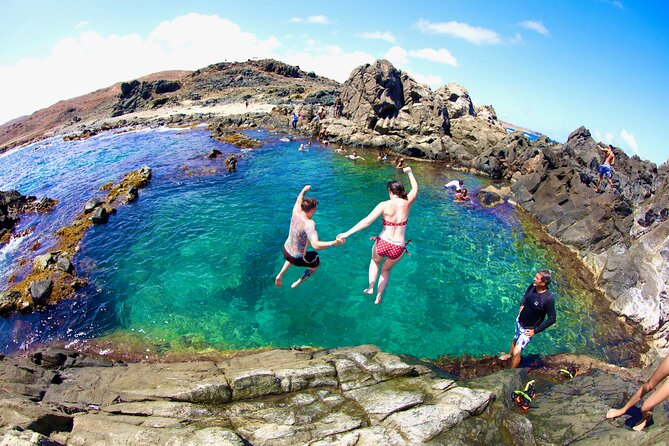
You meet at ABC Tours Aruba at Schotlandstraat 61 in Oranjestad. Plan on meeting for departure at 7:45 AM, and yes—you’ll make your own way to the office. The tour uses a mobile ticket, which keeps things simple when you arrive.
Bring the basics that actually matter out in the park:
- Swimsuit and towel
- Change of clothes for the ride back
- Your driver’s license
- A reusable bottle since you’ll get ice water and can refill it
And for the Natural Pool portion, don’t treat footwear like an afterthought. Multiple guides and trip tips underline the same point: the walk is rocky, and the pool area can be slick. Water shoes help you move confidently without fighting the ground.
If you’re thinking of cruise days: the tour notes it cannot accept passengers from Carnival Cruise ships. If your cruise is a different line, you still want to notify the operator so they can plan accordingly.
Ayo and Casibari Rock Formations: The Cultural Stop People Often Remember
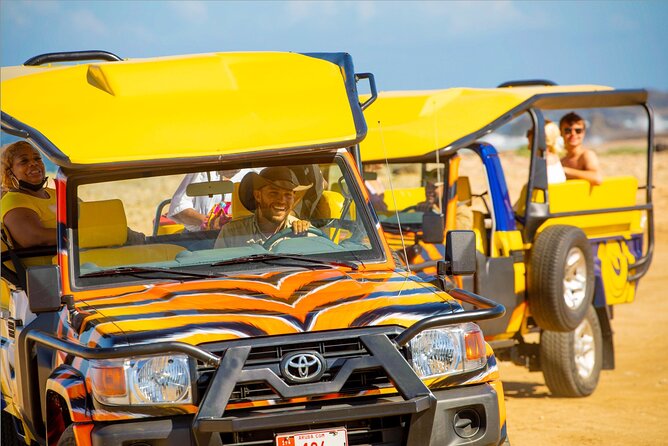
Before the big park time, you’ll stop at the Ayo and Casibari Rock Formations area. This is where the tour slows down just enough to make the rest feel meaningful.
You’ll learn about the significance to the Arawak people, including the idea that earlier visitors came to these rocks to hear an approaching thunderstorm. It’s a small detail, but it gives you a lens: these aren’t just scenic boulders. They’re part of how people once read the island.
Visually, you get rock formations that look like they were carved by time and force—because, essentially, they were. This is also the moment where you start noticing the island’s geology: the volcanic foundation, the way formations rise, and how the terrain shapes what comes next.
One practical note: this is still outdoors and in Aruba sun. Bring a hat or use sunscreen like you would at the beach.
Arikok National Park: Rugged Tracks, Wildlife Chances, and Big Views
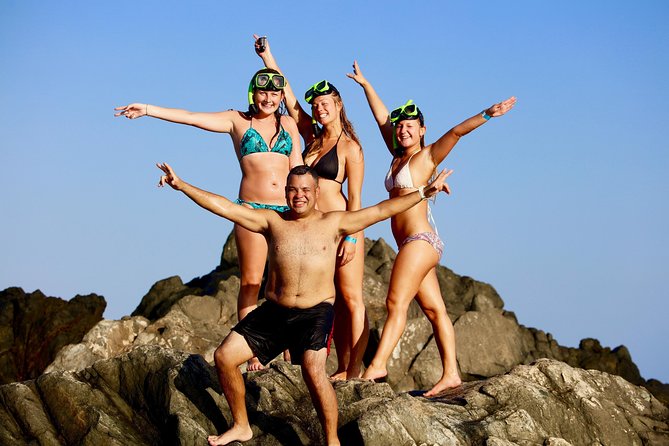
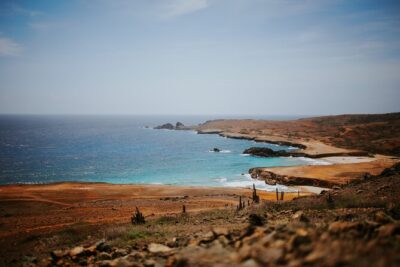
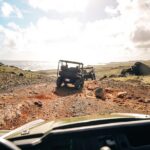
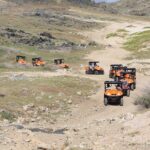
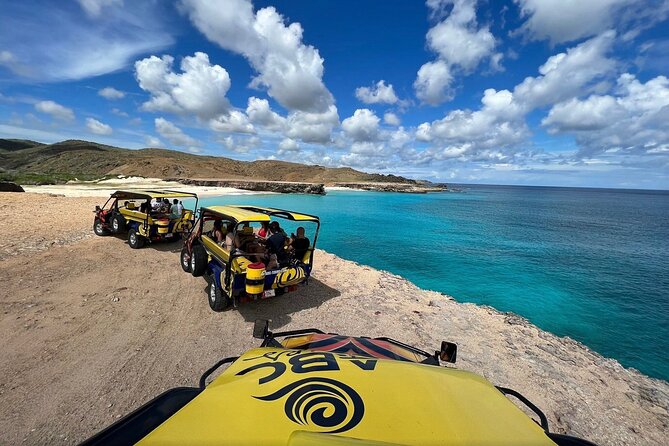
Once you enter Arikok National Park, the experience shifts into exploration mode. The drive itself becomes part of the show: the Jeep travels off-road through rugged ground, so you feel Aruba’s terrain as motion, not just scenery from a window.
This stop is the heart of the day. You get around two hours in the park, and what you see depends on the route and conditions. Still, you can expect a mix of:
- arid vegetation and volcanic terrain
- coastline views from angles that feel remote
- wildlife opportunities, including animals people often spot like goats and donkeys
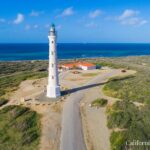
The coastline and rock formations here are dramatic enough that the park feels like its own world. And because the route is planned, you spend time where it’s worth your time—rather than driving around looking for viewpoints.
What can be a drawback here
The park route means you’re off the easy path. If you struggle with uneven ground or you’re sensitive to bumps, keep that in mind. The tour is recommended for moderate physical fitness, and while it’s not described as a long hiking challenge, you’ll still be walking and moving over rough surfaces.


Conchi Natural Pool: Where the Waves Hit Back (and You Actually Swim)
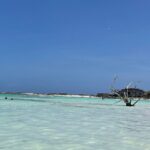
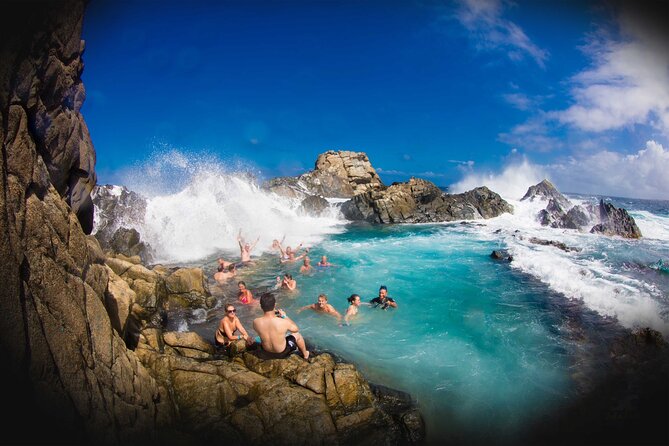
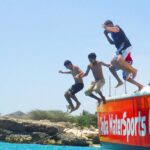
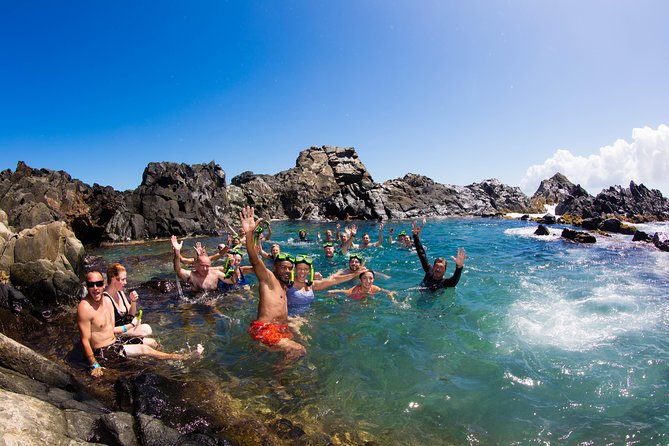
This is the moment most people book for. The Conchi Natural Pool sits in the national park, and it’s famous for how it’s formed from volcanic rock. The key feature is practical: the rocks create a wall of protection from incoming waves, so you get a swim zone that feels safer than open surf.
In the pool, you’ll see waves crash at the back of the rocks while you’re soaking in the calmer water closer to the front. It’s a neat contrast—energy outside, relative shelter inside.
You’ll also have snorkeling equipment on hand. The guide will help you make the most of your time, and snorkeling here can be a strong way to spot marine life, depending on what the conditions are like that day.
The real-world details that matter
- Expect a walk and steps over rocks to reach the pool area.
- Rocks can be slippery, even if the water looks inviting.
- Keep your towel and clothes organized so you can change quickly when the swim ends.
One of the best pieces of advice from past experiences is simple: water shoes. If you take nothing else from this review, take that.
Extra Stops You Might Catch: Beaches, Caves, and the “How Did That Happen?” Moments
Depending on timing and the group, the route often includes additional highlights beyond the main park and Natural Pool area. Some trip experiences mention stops around:
- Fontein Cave and cave areas with markings that look very old
- viewpoints and beaches like Dos Playa
- areas such as Fontein Garden
- a cave beach stop where a playful surprise sometimes happens: fish pedicures in shallow water
Even when you don’t get every single bonus stop every day, you’ll still get the same payoff: you’re not stuck doing one thing for four hours. The tour is structured so you’re moving between wow moments—rock art, rugged driving, then the payoff swim.
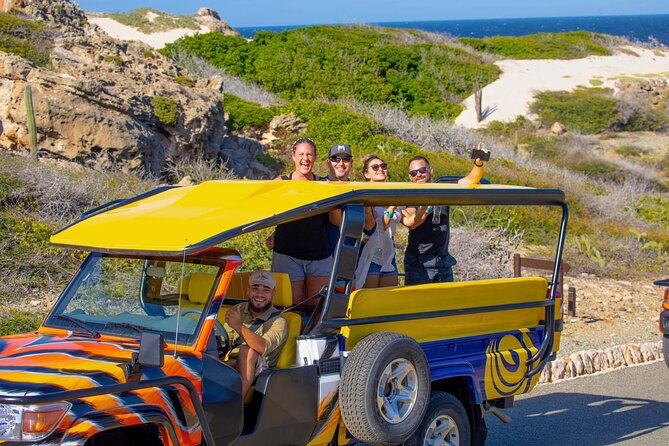
The guide plays a big role here. Guides like Big Sexy, Donnie, Luis, and Andrea are repeatedly described as the reason the day feels fun and not just scenic. They’ll keep you informed, set expectations, and help with photos so you’re not just capturing the moment while you’re actually missing it.
Snorkeling Gear and Marine Life: What You Should Realize Up Front
Snorkeling here is a chance to increase your odds of seeing marine life, but it’s not sold as a guaranteed aquarium show. The pool environment is what matters: protected rock structure, calm-enough water, and a place where you can get in and look around.
You’ll have snorkeling gear provided, so you don’t need to buy anything on arrival. Bring your own personal sun protection too—Aruba sun can be intense, and you’ll be out in it.
If you’re a first-time snorkeler, this is a great type of stop because you’re in a natural setting that encourages short, comfortable swims. The biggest practical limit is comfort on rocky terrain when you’re moving between pool and changing spots.
Transport, Pace, and Group Size: The “Enjoy It, Don’t Rush It” Balance
This is a half-day tour with an approximate duration of 4 hours 30 minutes. You get enough time to feel like you did something meaningful, but it’s still short enough to keep your remaining vacation hours flexible for beaches or dinner plans.
The group size max is 80 travelers. That’s big enough that you may not feel like you’re riding with your own private guide the whole time, but it also suggests you won’t be swallowed by a massive bus-group vibe. The guides manage the day by keeping everyone together and making the stops efficient.
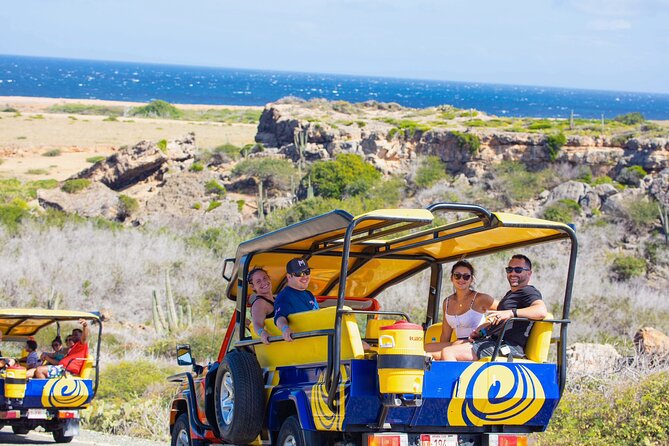
Also, because the Jeep is open-air, you’ll feel the ride. It’s part of the fun for many people—but it also means you should prepare for sun and dust. In my opinion, that’s why the morning start makes sense: you get more of the cooler feeling and a smoother day.
Lunch, Water, and Practical Comfort on a Morning Start
Lunch is included on the morning tour only. If yours is the standard morning departure, you’ll have food built into the day, which makes the Natural Pool swim more enjoyable since you’re not racing the clock hungry.
You’ll also get ice water, and the advice is to bring a reusable bottle to refill. That’s not a tiny detail. Water breaks keep the ride pleasant, especially when you’re dealing with sun, movement, and occasional bumpy roads.
Price and Value: What You Pay vs. What You’ll Pay Extra
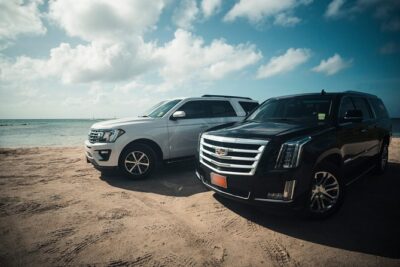
The tour price is listed at $95 per person and includes a local guide, snorkeling equipment, transport by an open-air 4×4 vehicle, lunch on the morning tour, and ice water.
There’s an extra cost you should factor in: the Arikok National Park entrance fee is $22 per person, and it’s not included. That doesn’t make the tour overpriced—it just means you should budget correctly. If you’re the type who hates surprise fees, set aside the full total in your head so your day stays stress-free.
Given the combination—Jeep transport, guided stops, snorkeling gear, and the Natural Pool swim access—this price can make sense if you want the park experience without doing the logistics on your own.
Who Should Book This Jeep Safari (and Who Should Skip It)
This tour is a strong match if you want:
- an off-road Aruba experience without renting a 4×4
- Arikok National Park time with a guide
- a real swim stop at the Natural Pool, not just a photo stop
- snorkeling gear included
It’s also a good family-friendly style of outing in practice, because guides often build in patience for different ages and keep everyone engaged with fun storytelling.
You might want to skip or adjust your expectations if:
- you get car sick easily (the ride is described as bumpy)
- you’re uncomfortable walking on rocky, slippery surfaces
- you’re looking for a relaxing, smooth, beach-only day
The Guide Makes or Breaks It: What to Look For
A repeated theme in strong reviews is that the guide isn’t just a narrator. The best guides handle the day like a performance with safety baked in. Many people highlight names like Curt, Jonathan, JJ, MarK, Donnie, Luis, Andrea, and Big Sexy for keeping the group laughing and informed.
When you book, look for a tour reputation that emphasizes guide energy plus clear direction. Even if you’re an easygoing traveler, the guide’s ability to manage photo stops, timing, and route knowledge affects how good your actual day feels.
Should You Book the Aruba Natural Pool and Jeep Safari?
I think you should book this tour if you want Aruba to include the rugged side—volcanic rock, national park scenery, and a real swim in Conchi Natural Pool with snorkeling gear included. The open-air Jeep adds fun and motion, and the guide-led approach saves you from doing complicated driving logistics.
Skip it if your ideal day is smooth roads and minimal steps. Between the bumpy ride and the rocky pool access, it’s not the best choice for travelers who need the easiest physical conditions.
If you can handle uneven ground and you’re willing to bring water shoes, this is the kind of half-day that turns into one of your trip memories instead of just a checkbox.
FAQ
How long is the Aruba Natural Pool and Indian Cave Rugged Jeep Safari?
The tour is about 4 hours 30 minutes (approx.).
Where do I meet for the tour?
You meet at ABC Tours Aruba, Schotlandstraat 61, Oranjestad, Aruba.
What time should I arrive?
The meeting time for departure is 7:45 AM.
Is snorkeling gear included?
Yes. Snorkeling equipment is included.
Is the Arikok National Park entrance fee included in the price?
No. The Arikok National Park fee is $22 per person and is charged upon check-in.
Does the tour provide hotel pickup?
No. Hotel pickup is not included. You need to make your own way to the meeting point.