REVIEW · ARUBA
Aruba ATV Adventure: Off-Road Tour in Single and Double Seaters
Book on Viator →Operated by Around Aruba Tours · Bookable on Viator
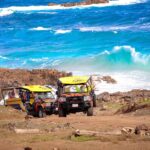
ATVs, animals, and Aruba history on one ride. This off-road tour turns the island into a punchy mix of wildlife sanctuary time and bumpy desert trails, with classic sights like Alto Vista Chapel and rock formations thrown in along the way. You’ll end back where you started, after cruising past beaches and sea cliffs that most visitors only see from a distance.
I really like that pickup and drop-off are included, so you’re not juggling taxis and schedules. I also like that the day starts with animal feeding at Philip’s Animal Garden, which gives the whole outing a purpose beyond just riding.
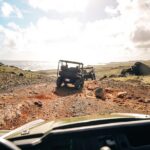
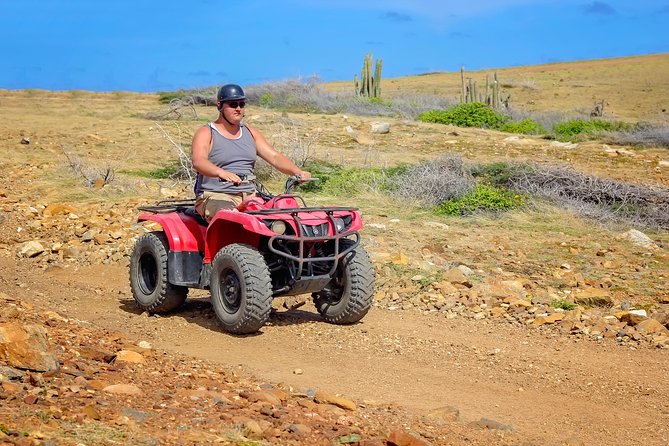
One thing to plan for: the terrain is rugged and dusty, so first-time riders (especially on a solo ATV or on a two-seater you share control with) should expect a physical, bumpy ride and a lot of off-road grit.
In This Review
- Key highlights worth your attention
- Aruba ATV Adventure: why this feels like more than a roadside thrill
- Meeting up and the real schedule behind the 4 hours
- Philip’s Animal Garden stop 1: animals before the engine
- Alto Vista Chapel, Natural Bridge, and ruins: short stops that teach you to look closer
- Wariruri Bay and Andicuri Beach: when the ride slows just enough to breathe
- Cave Pool Aruba: the payoff, plus one thing to double-check
- Shark Bay and Tripod Bridge: two stops that reward stopping the engine
- Blackstone beach: the black-sand moment
- Ayo Rock Formations: the final story stop with carved marks
- Single vs double ATV: how to pick the ride that fits your comfort
- Safety and guide support: what seems consistent from day to day
- Expect the dust: what to wear and bring so the day stays fun
- Price and value: is $108.98 per person a good deal
- Weather, equipment condition, and timing: the few things that can change your day
- Should you book this Aruba ATV adventure?
- FAQ
- How long is the Aruba ATV adventure?
- Is hotel pickup and drop-off included?
- What’s included with the tour?
- What are the age requirements?
- How physically demanding is it?
- Does the tour stop at beaches and natural formations?
- Is alcohol included in the price?
- What happens if the tour is canceled due to weather?
Key highlights worth your attention
- Animal feeding first at Philip’s Animal Garden, not as an afterthought
- Free hotel pickup and drop-off to make a 4-hour adventure feel easier
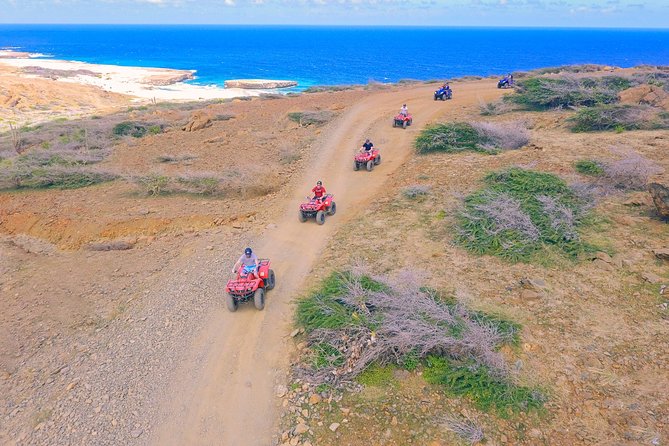
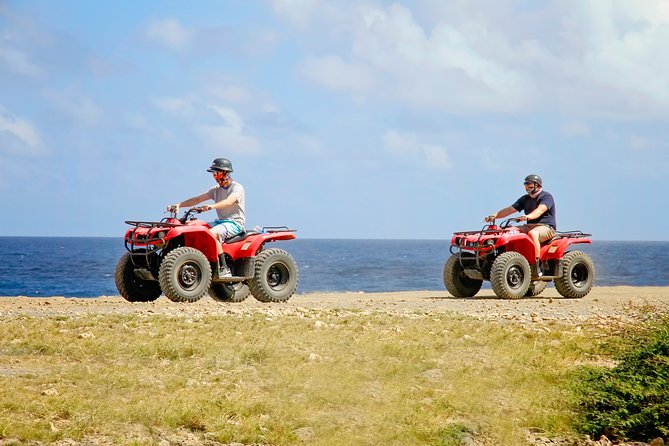
- Rough, desert-like terrain with lots of wind-in-your-hair driving
- A chain of photo stops: natural bridges, chapels, ruins, caves, and multiple bays
- Single or double ATV options for how you want to ride
- Stays hydrated with bottled water and non-alcoholic beverages included
Aruba ATV Adventure: why this feels like more than a roadside thrill
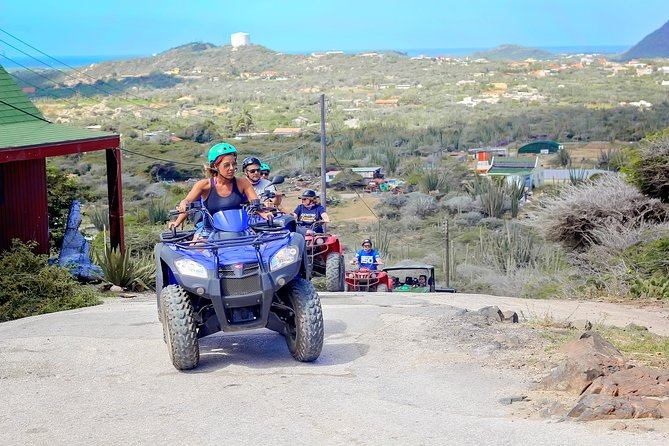
Most Aruba tours are either beach-focused or city-focused. This one is different because it’s built around movement: you’re riding off-road while the scenery changes every few minutes. That means you don’t just look at Aruba, you experience it—dusty roads, limestone cuts, cliff edges, and quiet coastal corners.
I also like how the stops aren’t all just “look and leave.” You get brief time in places that actually connect Aruba’s natural shape, its early settlement stories, and its animal rescue work. It’s a route that makes sense for people who want a fun adrenaline day but still want context along the way.
You can also read our reviews of more tours and experiences in Aruba
Meeting up and the real schedule behind the 4 hours
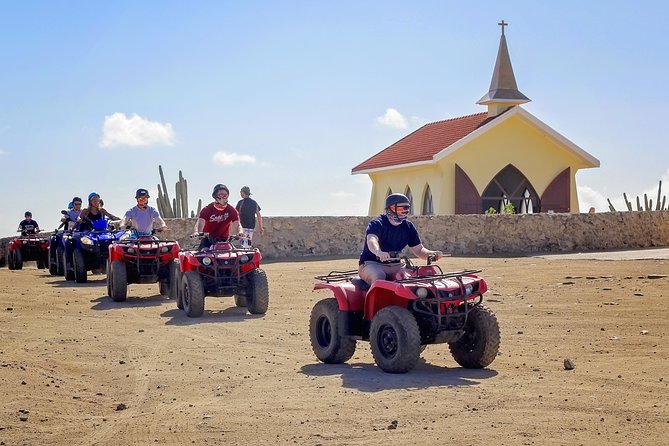
The tour runs about 4 hours in a single or double ATV, with pickup offered from your accommodation and drop-off back at the start point (Around Aruba Tours, Alto Vista 116, Noord). That 4-hour window is the riding-and-stops block, but you should still allow time for check-in and the pickup run.
The tour caps at up to 50 travelers, which helps keep it from feeling like a massive cattle-car day. And because you’re in smaller riding units once you’re on the trails, the pace usually feels more personal than a big bus itinerary.
Philip’s Animal Garden stop 1: animals before the engine
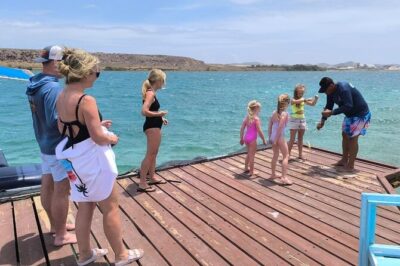
You start at Philip’s Animal Garden, one of the larger wildlife sanctuaries and rehabilitation centers on the island. The best part here is timing: you meet and feed the animals before you blast into off-road terrain, so the day starts calm instead of chaotic.
This stop is short, but it gives you a satisfying anchor for the morning. Expect around 20 minutes here, and plan to pay attention during the feeding portion because it sets the tone for the “Aruba with a mission” feeling.
Alto Vista Chapel, Natural Bridge, and ruins: short stops that teach you to look closer
After the sanctuary, the route swings toward Aruba’s landmarks with quick hit stops. Alto Vista Chapel (often called the Pilgrims Church) is a classic viewpoint-and-photo stop with a long-established presence on the island. It’s brief at about 15 minutes, which is fine because the goal is a quick look and a few angles rather than a long church visit.
Then you hit Natural Bridge Aruba, a rock-and-water formation shaped over thousands of years by waves attacking limestone cliffs. It’s the kind of place where you’ll want to take your time finding the angles, even if your official stop is about 15 minutes.
Next comes Bushiribana Ruins, where you get a sense of Aruba’s built past. At around 15 minutes, you’re not doing a museum day, but you are getting out of the vehicle long enough to connect the ruin shapes to the terrain around them.
Wariruri Bay and Andicuri Beach: when the ride slows just enough to breathe
This tour isn’t only about rocky trails. You’ll also stop at bays and beaches that are much less “standing in line” and more “step out, take a photo, feel the sea air.”
Wariruri Bay is one of the island’s standout beach areas, with about 10 minutes on the timetable. It’s enough time to stretch your legs and take in the view, but it won’t be enough for a towel-and-sun day.
Later, you’ll get to Andicuri Beach on the eastern side, another more secluded-feeling option. It’s listed at 15 minutes, which fits this style of tour: quick coastline contact, then back into the off-road loop.


Cave Pool Aruba: the payoff, plus one thing to double-check
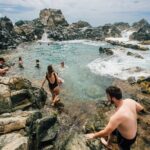
One of the most talked-about stops on this kind of route is the natural water area. Here, that’s Cave Pool Aruba, described as a newer natural pool where UTV/ATV access restrictions tied to Conchi Natural Pool change what’s available.
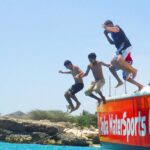
You get about 30 minutes at the cave pool. That time can be a highlight because it feels like Aruba showing you its “made by the sea” side up close. The catch: some activities (like any cliff-jumping element) may not always be operating when you arrive. A smart move is to ask your guide what’s open and what the plan is once you get there, before anyone starts assuming the most extreme version of the stop.
Shark Bay and Tripod Bridge: two stops that reward stopping the engine
The route includes Shark Bay, another beach area covered during the ATV tour. Time here is part of the overall flow, so don’t plan on it becoming a long swim stop—think photo break and a chance to reset between the rougher trail sections.
Then comes Tripod Bridge (also known as Three Bridges). This one is pure natural shape appeal, with about 10 minutes on the schedule. These brief stops are where you’ll see what the limestone does when the sea works on it for ages: sharp forms, odd angles, and a “how is this even here?” feeling.
Blackstone beach: the black-sand moment
One of Aruba’s more unusual beach stops is Blackstone beach, known for its black sand. At around 15 minutes, it’s a quick, memorable contrast to the usual light-colored sands people expect in the Caribbean.
This is a stop that works especially well if you’re the type who likes collecting “only-on-this-island” photos. The sand color isn’t just a fun detail—it’s part of the broader story of how volcanic and rocky processes can shape coastal areas.
Ayo Rock Formations: the final story stop with carved marks
Your last major sightseeing stop on the route is the Ayo Rock Formations, which include carved paintings said to connect to Aruba’s early settlers, the Arawak Indians. It’s a stop that turns the ride into something more meaningful than just moving from one dramatic view to another.
You should be ready for a short walking/photo segment, not a long linger. But even in a limited time window, rock carvings like these do one thing well: they make you slow down. Suddenly you’re looking at shapes as evidence of people and time, not just geology.
Single vs double ATV: how to pick the ride that fits your comfort
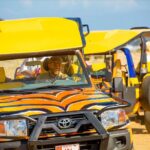
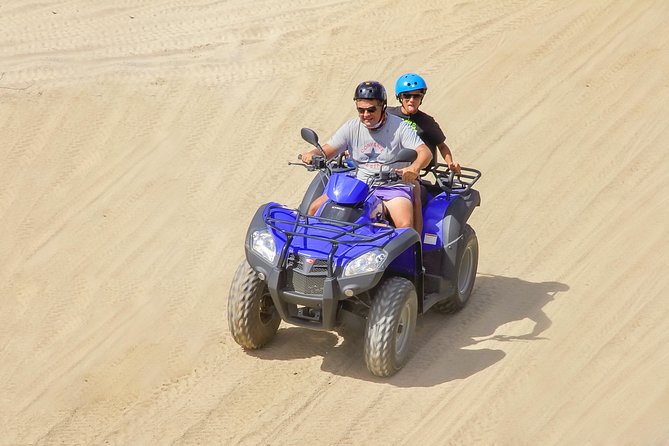
You can choose a single or double ATV for the 4-hour experience. That choice affects more than seating. It changes how much you need to manage—especially for two-seaters where you’re sharing the handling situation and coordination.
From the on-trail advice that people pass along, a two-seater can feel tricky because you have to account for your partner’s grip and balance. If you’re planning for comfort and simple control, consider whether the double configuration matches your driving style and your partner’s comfort level.
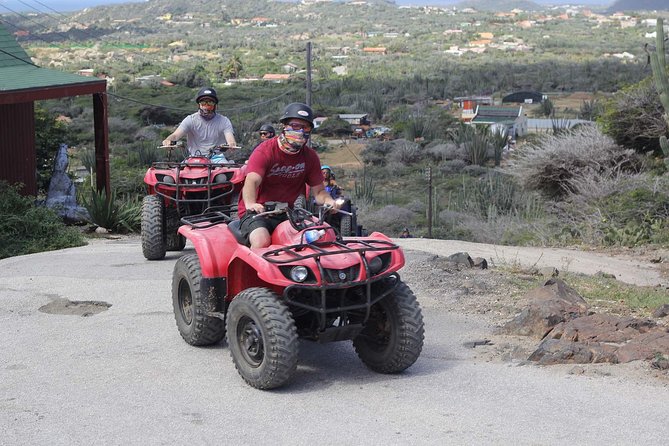
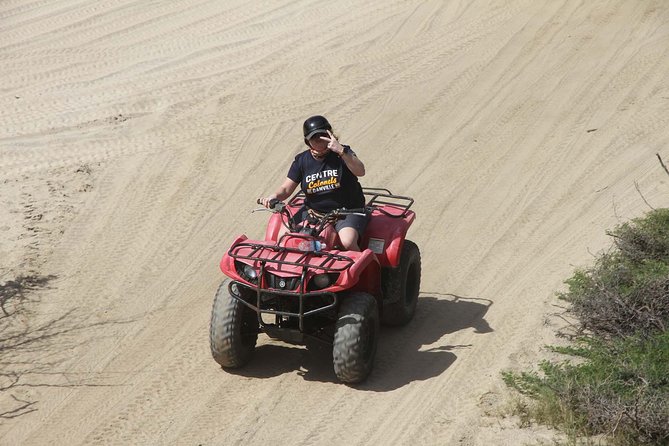
Also: this tour is labeled as highly rugged and rough desert-like terrain. So even with guides riding close by and a focus on safety, you’re still in a situation that’s inherently bumpy. If you’ve never driven an ATV before, go in with the mindset that you’ll learn the feel quickly, but you won’t get a smooth road experience.
Safety and guide support: what seems consistent from day to day
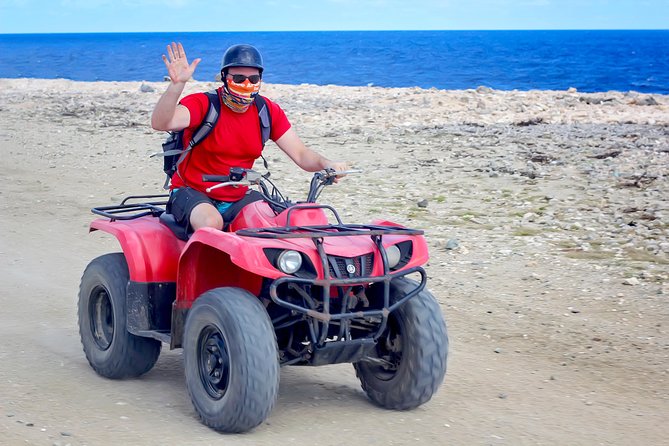
Safety gear is included: a helmet and bandana, plus water and non-alcoholic beverages. Many people also note that guides keep an eye on riders and help anyone who’s struggling, which matters because off-road problems rarely happen on flat, predictable surfaces.
The guide names show up repeatedly in positive ways—people have mentioned guides like Andrew, Danny, EA, David, Alex, Antony, and Brandon. While every guide has their own style, the repeated theme is proactive support. One person described a guide noticing a smoking quad behind the pack and adjusting the order so the group could keep moving safely.
Still, I’d keep your own radar on. Some reports mention equipment that can feel a bit worn at times, so at check-in, do a quick sanity check of helmet condition, straps, and seat fit. If something feels off, say so immediately.
Expect the dust: what to wear and bring so the day stays fun
This tour is built for off-road driving, which means you’ll get dirty. People repeatedly mention being covered in dust afterward and recommend bringing spare clothes if you don’t want to ride back feeling grimy.
A few practical tips that match what’s been said:
- Wear clothes that you’re okay with getting coated in grit
- Plan for a towel or wet wipes on the drive home
- If you’re sensitive to sand in hair/eyes, consider extra protection since the terrain can throw dust
- Bring some cash for snacks, since some places don’t accept card payments the way you might expect
Also, you’ll be given water during the ride and at stops, so you won’t be stuck sweating without hydration. But still, if you’re someone who drinks often, keep that habit going.
Price and value: is $108.98 per person a good deal
At $108.98 per person, you’re paying for a focused ATV day that bundles transportation, gear, and multiple paid-for-like experiences. The tour includes free pickup and drop-off, helmet and bandana, bottled water and non-alcoholic drinks, and animal feeding at the sanctuary.
You’re also getting a lot of variety in one loop: sanctuary animals, chapels, natural bridges, ruins, beaches like Wariruri and Andicuri, and unusual stops like Blackstone beach and Ayo Rock Formations. For people who would otherwise spend a day piecing together separate excursions, this route can be a solid value.
If you’re expecting a gentle ride with minimal mess, then the price won’t feel justified. But if you want the most activity per hour possible—plus real sightseeing stops—this is the kind of spend that tends to feel fair.
Weather, equipment condition, and timing: the few things that can change your day
This experience requires good weather. If conditions are poor, you’ll be offered a different date or a full refund.
On the ground, timing can be mostly smooth but not perfectly uniform. Some people praise punctual pickup, while one report mentions being late and missing stops due to timing issues. That’s not something you can control, but you can control your expectations: keep your next plan flexible, and don’t stack a late reservation right after the tour ends.
Equipment can also vary. Most reports are positive about working vehicles, while one mentions ATVs feeling run down and dirty helmets. That’s why that quick pre-ride equipment check is worth it.
Should you book this Aruba ATV adventure?
Book it if you want a day that mixes off-road driving with actual stops—not just a ride in a circle. It’s especially a good fit for couples and friends who can handle bumpy conditions and don’t mind dust. The sanctuary start and the series of photo-and-story stops make it feel like you got more than a thrill ride.
Skip it (or consider a different style of tour) if you hate rough terrain, dislike getting dirty, or want a calm, paved-road experience. And if you’re a brand-new rider, I’d strongly consider whether a single ATV setup fits you better than shared handling on a two-seater.
If you’re game for grit, sea cliffs, caves, bridges, and a few brief history-and-nature moments, this is one of the more active ways to see Aruba in a single morning-to-afternoon chunk.
FAQ
How long is the Aruba ATV adventure?
It’s about 4 hours (approx.) for the ATV portion, with the experience ending back at the meeting point.
Is hotel pickup and drop-off included?
Yes. The tour includes free pickup and drop-off from and to your accommodation.
What’s included with the tour?
You’ll get a bandana and helmet, bottled water and non-alcoholic beverages, animal feeding at a sanctuary, and a 4-hour tour in a single or double ATV.
What are the age requirements?
The minimum age as a passenger is 6 years. The driver must be 18 years old and have a valid driver license.
How physically demanding is it?
It requires moderate physical fitness and includes highly rugged, rough desert-like terrain.
Does the tour stop at beaches and natural formations?
Yes. The route includes multiple sightseeing stops such as Wariruri Bay, Shark Bay, Andicuri Beach, Natural Bridge, Tripod Bridge, Blackstone beach, and Ayo Rock Formations.
Is alcohol included in the price?
No. Alcoholic beverages are not included.
What happens if the tour is canceled due to weather?
If it’s canceled due to poor weather, you’ll be offered a different date or a full refund.