REVIEW · PALM EAGLE BEACH
Full-Day Aruba History and Must-See Landmarks Tour
Book on Viator →Operated by Fantasy Tours · Bookable on Viator
A full day on one route across Aruba saves you from playing guess-the-road. You get a guided sweep of the island’s most photographed stops, from aloe-country to the wind-sculpted rock formations, with hotel/port pickup and a set schedule that helps you see more than beach-hopping alone.
I like that it’s structured but not rushed: you get meaningful time at the big viewpoints (like the California Lighthouse area and the rock formations) and a longer window at Baby Beach for actual swimming. I also like the practical touches—air-conditioning on a hot island day and bottled water waiting for everyone on board.
One drawback to consider: the day can feel long and the quality of the experience can hinge on the guide and bus comfort. A few guests flagged issues like hard-to-hear narration from the back of the vehicle, while at least one person noted a stop that didn’t deliver if the lighthouse was closed.
Key highlights at a glance
- Aloe Factory Museum stop with a 160-year story of Aloe Vera cultivation plus time to shop
- California Lighthouse viewpoints on Hudishibana hill, with 360-degree views (climb costs extra)
- Rock formation stair views at Ayo and Casibari for classic Aruba photo angles
- Natural Bridge ruins area to see the smaller bridge next to the collapsed structure
- Baby Beach lagoon time for calm swimming/snorkeling and an easy beach wrap-up
- Bottled water + pickup from Oranjestad, Palm Beach, and Eagle Beach zones
In This Review
- 7 Hours of Aruba in One Day: What This Tour Actually Gives You
- Pickup Zones and Bus Comfort: The Start Matters
- Aruba Aloe Factory: Aloe Vera, Aruba-Style
- California Lighthouse on Hudishibana Hill: Classic Aruba Views
- Alto Vista Chapel: A Quiet Pause Above the North Shore
- Natural Bridge Ruins: The Smaller Bridge Next to the Bigger One
- Ayo and Casibari Rock Formations: Stairs, Shapes, and Viewpoints
- Gold-Rush-Era Stops and Ruins: Bushiribana’s “Old Aruba” Feel
- Baby Beach Lagoon: The Best Ending for Swimmers
- Timing That Can Make or Break Your Day
- Guides and Storytelling: Why Names Keep Coming Up
- Who Should Book This Tour (and Who Should Skip It)
- Practical Packing and Day-Of Tips
- Should You Book This Aruba History and Landmarks Tour?
- FAQ
- What is the duration of the Aruba History and Must-See Landmarks Tour?
- Where does pickup happen?
- Which stops are included on the tour?
- Is the California Lighthouse climb included?
- Can I swim or snorkel at Baby Beach?
- Is cancellation allowed, and what about weather issues?
7 Hours of Aruba in One Day: What This Tour Actually Gives You
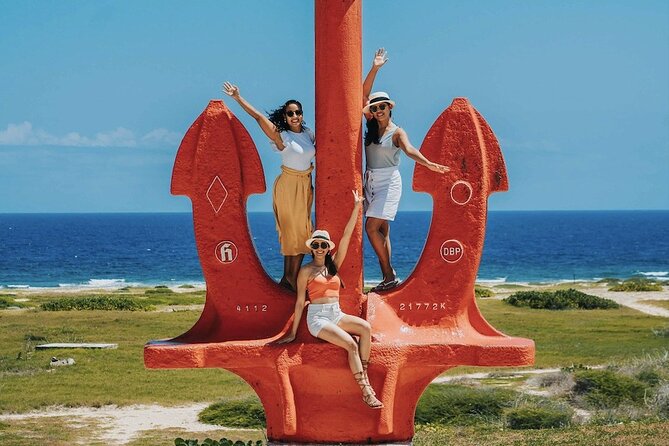
This tour is built for visitors who want the island’s main landmarks without doing the logistics math. You’ll drive across Aruba by coach with narration along the way, then hop out at the high-impact stops—lighthouse views, desert-rock formations, and the man-made swim spot at Baby Beach.
At $69 per person for roughly 7 hours, the value is less about ticking boxes and more about time-saving. Aruba is compact, but doing these sites one by one on your own means more driving, parking, and juggling short openings. On this tour, the route is planned, and you’re not guessing what’s worth your limited daylight.
Pickup Zones and Bus Comfort: The Start Matters
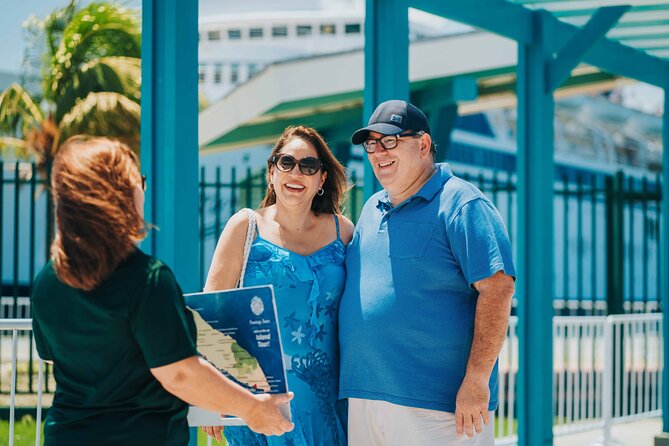
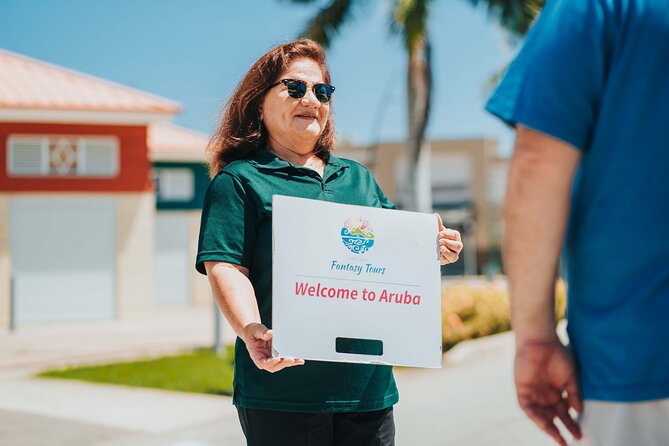
Your day begins with pickup from accommodations in the Oranjestad, Palm Beach, or Eagle Beach areas. Then you’re off in an air-conditioned vehicle, with bottled water provided. This matters because Aruba sun and road time can stack up fast—staying comfortable until you reach the viewpoints is a real win.
That said, comfort and sound quality can vary. Some guests wished the speakers were louder in the back of the bus. If you tend to struggle with audio on tours, consider choosing a seat toward the front when you board. It’s a small move that can make the difference between hearing the story behind each stop and only catching bits and pieces.
You can also read our reviews of more tours and experiences in Palm Eagle Beach.



Aruba Aloe Factory: Aloe Vera, Aruba-Style
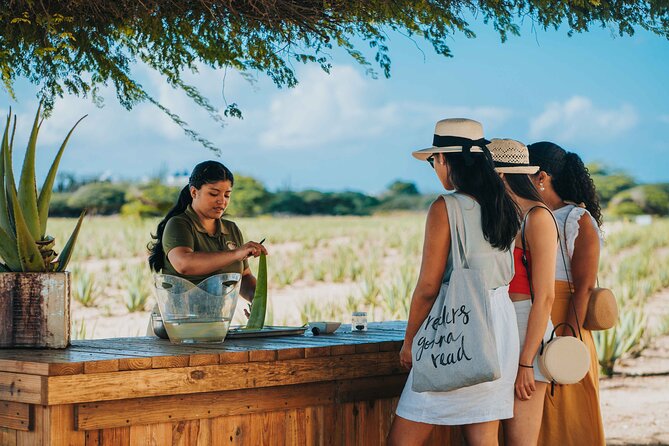
The tour’s first stop is the Aruba Aloe Factory, Museum, and Store. This is more than a quick photo stop—it’s where you learn how Aruba’s long relationship with aloe production shaped the island’s economy. The museum portion focuses on the process and the 160-year history of Aloe Vera cultivation in Aruba, and then you can browse the store after the tour.
Why I think this stop works: it gives you an industry story early in the day, so the rest of the scenery feels tied to Aruba’s real past—not just postcard views. It’s also a good break from sun exposure because it’s indoors and museum-style.
A practical note: you’ll likely have some shopping temptations here. If you’re not a product shopper, you may still enjoy the museum and then move on—just set expectations that there’s a retail component at the end.
California Lighthouse on Hudishibana Hill: Classic Aruba Views
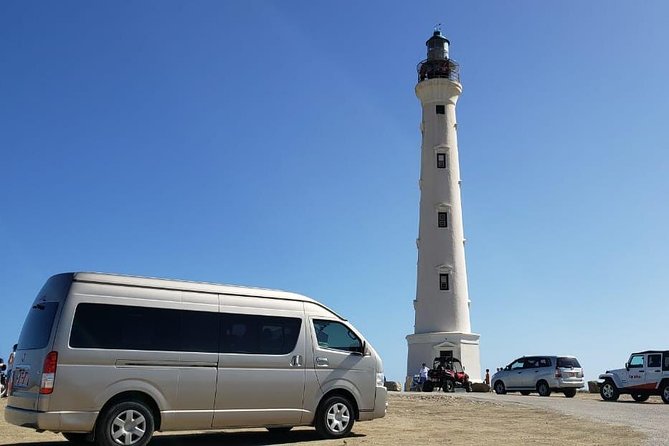
Next comes the California Lighthouse area on top of Hudishibana hill, Aruba’s north-west side. You’ll get time to get out, look around, and enjoy the 360-degree island views from the vantage point.
The lighthouse climb requires an additional fee. So think of this as two layers: the viewpoint from the hill is part of the experience, and the actual climb is optional. If you’re short on time or you don’t want extra costs, you can still get strong views without paying for the climb.
One real-world consideration: there can be days when the lighthouse is closed, which can reduce the value of the stop. If this is a must for you, have a flexible mindset and enjoy the hilltop panorama even if the climb isn’t available.
Alto Vista Chapel: A Quiet Pause Above the North Shore

You’ll also stop at Alto Vista Chapel, sometimes called the Pilgrims Church. It sits on the hills above Aruba’s north shore, and this is one of those breaks that shifts the day from rock-and-sun into calmer walking and a chance to step inside.
Timing is short—about 15 minutes—so treat it as a stop for atmosphere, photos, and a quick break in the route rhythm. If your travel style likes a moment of stillness amid sightseeing, you’ll probably appreciate it.
Natural Bridge Ruins: The Smaller Bridge Next to the Bigger One
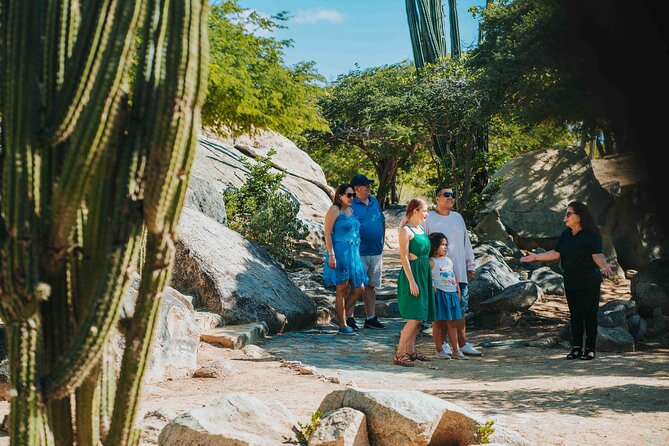
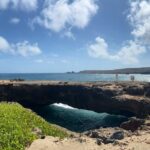
Then it’s to the Natural Bridge area. This is where you’ll explore the little natural bridge next to the ruins of the bigger natural bridge that has collapsed.
It’s not the kind of stop where you’ll spend a long time, but it does give you an instant sense of Aruba’s geology and how water and rock work together over time—even when the structure changes.
You’ll get about 15 minutes here, so bring the “quick look, take a few photos, move on” mindset. If you’re the type who loves walking and reading every sign, you might want extra time somewhere else later, since this one is built for a quick stop.



Ayo and Casibari Rock Formations: Stairs, Shapes, and Viewpoints
The rock stops are where Aruba looks most like Aruba—hard edges, sculpted boulders, and wide horizon views. The highlights mention both Ayo Rock Formation and Casibari Rock Formations.
Casibari is the one described in detail in the route notes: you’ll reach the top via man-made stairs for panoramic views, then relax around the gardens near the area. The stop is short, about 15 minutes, but it’s timed well for photos and a quick climb.
Why this part often lands well: it’s visual and active without requiring serious hiking skills. You can do as much of the stair climbing as you want, and you still get something out of the viewpoint even if you don’t linger long.
If you’re traveling with kids or anyone who dislikes stairs, plan for “slow pace” rather than expecting a long, relaxed walk. The shape of the stop is built around climbing and looking, not wandering for an hour.
Gold-Rush-Era Stops and Ruins: Bushiribana’s “Old Aruba” Feel
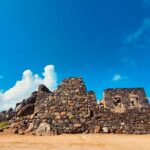
Your island history includes a stop at the Bushiribana gold mill ruins, tied to Aruba’s gold-rush era. Even if ruins aren’t your usual thing, this matters because it adds an industrial thread to the day: aloe and mining show different ways Aruba made a living.
Ruins tend to work best when you remember the context is the point. Look for the remnants, then connect them to the story your guide shares on the bus. This kind of stop also helps break up the day so you don’t end up with only viewpoints and beaches.
Baby Beach Lagoon: The Best Ending for Swimmers
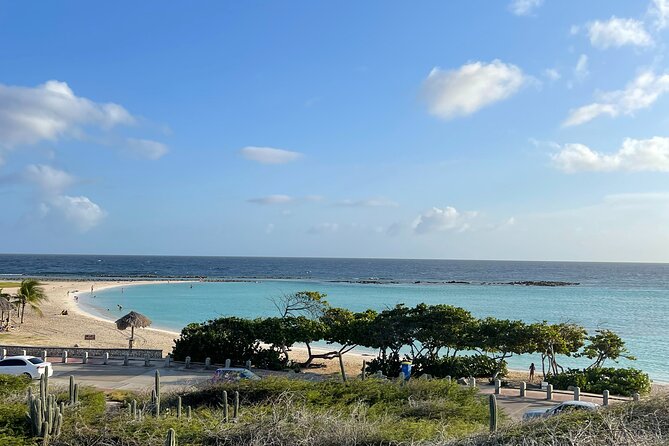
The final stop is Baby Beach, where you can swim or snorkel in a man-made lagoon. You’ll have the most time here—about 1 hour 30 minutes—which is how the tour balances all the sightseeing earlier in the day with actual water time at the end.
A few tips that can save you hassle:
- The lagoon is shallow, so it’s typically easier for casual swimming than open ocean conditions.
- Consider having cash ready for food and for any beach setup you want.
- Having some swimwear on under your clothes can make the transition smoother since you’ll be changing near the end.
A practical note from real on-the-ground experience: some visitors found that beach chairs and shade can cost extra. If you like sitting in the shade, plan for that cost so your hour and a half feels relaxing, not stressful.
Timing That Can Make or Break Your Day
This is a full-day route by design. You’ll get roughly 15 minutes at several of the landmarks, an earlier museum stop around 45 minutes, and then the longer Baby Beach window. That pacing is great for most first-time visitors because it keeps momentum and reduces dead time.
But it’s also why the tour can feel long if you don’t enjoy bus time or if you prefer deeper exploration at fewer places. If you’re the type who wants to linger for longer than 15 minutes per site, you may want to pick one or two landmark areas to revisit later on your own after the tour tells you what you loved.
Guides and Storytelling: Why Names Keep Coming Up
What really separates this tour from a basic sightseeing drive is the guide performance. The route runs best when the person leading it can turn each stop into something you’ll remember.
Multiple guide names show up in feedback, including Atu, Ato, Merry, Maria, and Curtis. Common thread: guests describe guides who are friendly and share plenty of facts and island context, not just read-off-style explanations. One person specifically praised Curtis for providing information in both Spanish and English—an exhausting skill set for any guide, but a big comfort for mixed groups.
Still, not every day is perfect. There are outlier experiences—one guest reported issues like rude behavior and another flagged noise from the bus engine making narration hard to hear. Those aren’t the norm, but they’re worth considering in the same way you’d consider weather or sea conditions: you’re buying the general plan, and execution can vary.
Who Should Book This Tour (and Who Should Skip It)
This tour is a strong fit if you:
- Want an efficient way to see Aruba’s top landmarks in one day
- Like history mixed with scenery (aloe, gold-era ruins, geology)
- Enjoy a “get up, look, snap, move” rhythm
- Want guided context instead of a self-driving checklist
I’d steer you toward something else if you:
- Hate long bus time
- Want long sit-down beach time with shade included
- Are sensitive to audio issues in the back of vehicles
- Need every single stop to be a perfect, guaranteed experience (some stops can be affected by closure)
Practical Packing and Day-Of Tips
For a smooth day, I’d pack for sun plus “some walking”:
- Sunglasses and sunscreen for the hilltop and rock formation stops
- Comfortable shoes for stairs and uneven terrain
- Swimwear ready in your bag, or worn under clothes so Baby Beach is easy
- Cash for lunch at the beach restaurant and any beach rentals you decide you want
- A light layer if you get cold in air-conditioning after being outside
Also, if you’re pairing this with later beach plans, note that the tour ends with Baby Beach. You’ll likely want to keep evening plans simple after the long route.
Should You Book This Aruba History and Landmarks Tour?
If you’re a first-time Aruba visitor who wants a guided sweep of the island’s most notable spots, this tour is easy to recommend. The standout value is the combination of airport-style efficiency (pickup and route planning), plus real “stop and look” moments—especially aloe, rock formations, and the Baby Beach finish.
I’d book it when you want structure more than spontaneity. Skip it if your ideal day is slow and beach-only, or if you know you’ll be unhappy spending short bursts at multiple sites.
Bottom line: for $69 and about 7 hours, you’re buying time-saving logistics and a solid cross-section of Aruba. And if you pick the right seat early and come with realistic expectations about a tight schedule, it’s a very good way to get your bearings fast.
FAQ
What is the duration of the Aruba History and Must-See Landmarks Tour?
The tour is about 7 hours.
Where does pickup happen?
Pickup is offered from accommodations in the Oranjestad, Palm Beach, and Eagle Beach areas, and includes drop-off back to those areas.
Which stops are included on the tour?
You’ll visit the Aruba Aloe Factory (museum and store), the California Lighthouse area, Alto Vista Chapel, the Natural Bridge ruins area (including the little natural bridge), the rock formations (Ayo and Casibari), and finish at Baby Beach.
Is the California Lighthouse climb included?
The lighthouse viewpoint time is included, but the climb requires an additional fee.
Can I swim or snorkel at Baby Beach?
Yes. You can swim or snorkel in the shallow, man-made lagoon at Baby Beach. Snorkeling equipment is not listed as included.
Is cancellation allowed, and what about weather issues?
You can cancel up to 24 hours in advance for a full refund. The tour also depends on good weather, and if it’s canceled due to poor weather, you’ll be offered a different date or a full refund.