REVIEW · ARUBA
Half-Day Aruba Intro Diving Course for Beginners
Book on Viator →Operated by Red Sail Sports - Aruba · Bookable on Viator
First-time scuba can feel scary at minute one. This half-day Aruba intro course is built to help you go from classroom basics to a guided underwater experience with pool practice and small-group attention. What I especially like is how the instructors focus on confidence first, then skills, then seeing real sea life without rushing you.
The best part is what you get to watch underwater—octopus, rays, sea turtles, and plenty of tropical fish. One caution: the whole plan is short, and a couple of reviews flagged check-in delays or extra waiting, so go in with patience and don’t schedule anything else tight afterward.
In This Review
- Key things to know before you go
- Aruba intro scuba: how the half-day really plays out
- Classroom and pool time: where the fear gets smaller
- Boat trip and first open-water swim
- Safety, calm instructors, and why it’s not just a rulebook
- What you’ll see in Aruba: fish, coral, and shipwreck scenery
- The boat details that matter more on day one
- Gear, your body, and the small issues that shape the whole day
- Timing, group size, and planning your Aruba day
- Price in context: is $104 a fair deal for a first scuba day?
- Who should book this course, and who should reconsider
- Should you book this beginner scuba course in Aruba?
- FAQ
- How long is the half-day intro course?
- Do I need previous scuba experience?
- What training happens before I go into open water?
- How long is the open-water part?
- How deep will we go?
- What marine sites might we visit?
- Is equipment included?
- How big is the group?
- What if I have health concerns?
- Can I fly the same day as this activity?
Key things to know before you go
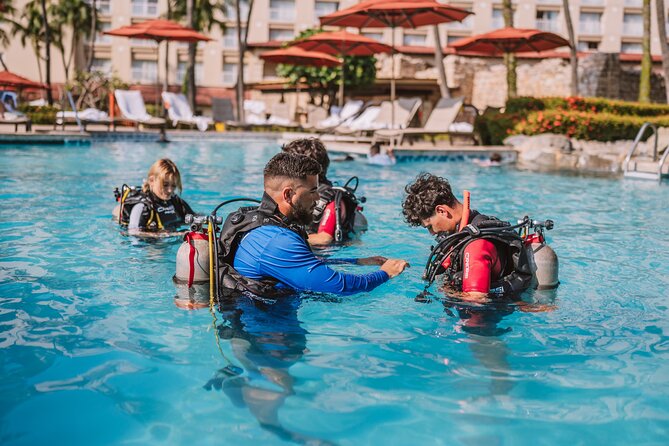
- 2 hours of pool practice so you learn buoyancy, breathing basics, and how to use the gear before open water
- Max 4 travelers means you’re usually not lost in the crowd
- 20–30 ft underwater range with a guided 1-tank experience for beginners
- Reef or shipwreck options so you’re not always looking at the same scenery
- Boat comfort details like twin drop-down ladders, restroom, and fresh showers for rinsing off
- Instructors that calm nervous first-timers (names like Carl, Ernie, Freddy, Manny, and Lennart came up often)
Aruba intro scuba: how the half-day really plays out
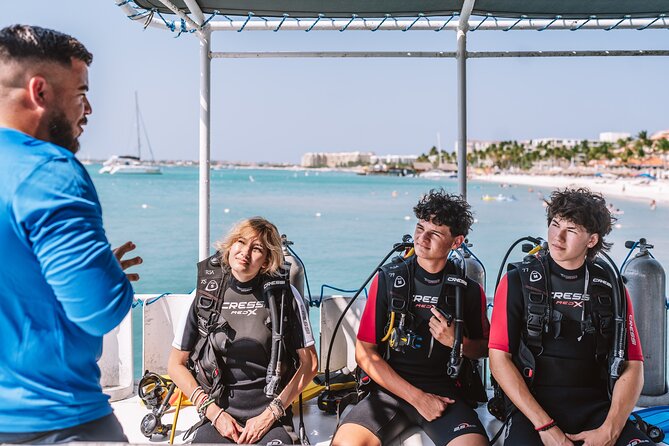
This is a half-day course designed for beginners. The rhythm is simple: learn the basics on land, practice them in the pool, then take your first open-water swim with an instructor right there with you.
You’ll start at Piet’s Pier Bar on J.E. Irausquin Blvd 85 in Noord. From there, expect a mix of paperwork (including medical clearance requirements) and hands-on training. The whole thing runs about 4 hours, which is long enough to learn real skills, but short enough that it doesn’t eat your entire Aruba day.
You can also read our reviews of more scuba diving tours in Aruba

Classroom and pool time: where the fear gets smaller
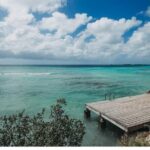
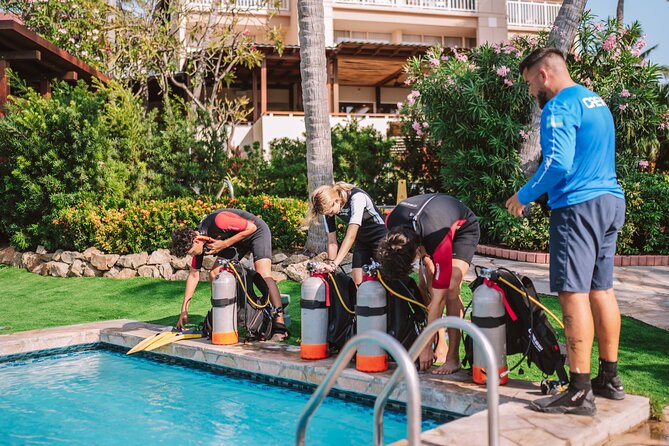
You get around 2 hours in the pool portion, but it’s not just random splashing. The course starts with instruction on the basics you’ll need underwater, including pressure and how to breathe on scuba. You also practice using the equipment correctly, because the fastest way to feel confident is to handle the gear on purpose.
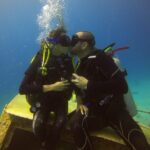
In the pool, you’ll build comfort with the way everything feels together: your mask fit, your regulator breathing, buoyancy control, and how to communicate with your instructor while you’re moving in the water. Several first-timers in the feedback highlighted how patient instructors were—people mentioned staying close, repeating key points, and keeping everyone calm. That matters, because first-timers often spend too much energy trying to figure everything out at once.
Boat trip and first open-water swim
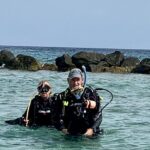
After pool practice, you head out by boat for about 1.5 hours (with travel time included). Then you do a 1-tank open-water swim. The underwater portion is usually 30–40 minutes, in the 20–30 ft range.
The boat goes to a shallow reef or a shipwreck, and you’ll follow your instructor at all times underwater. If you’ve only ever snorkeled, this is different in a good way: you’re not just skimming the surface—you’re controlling your buoyancy and seeing the water column like an insider.
Safety, calm instructors, and why it’s not just a rulebook
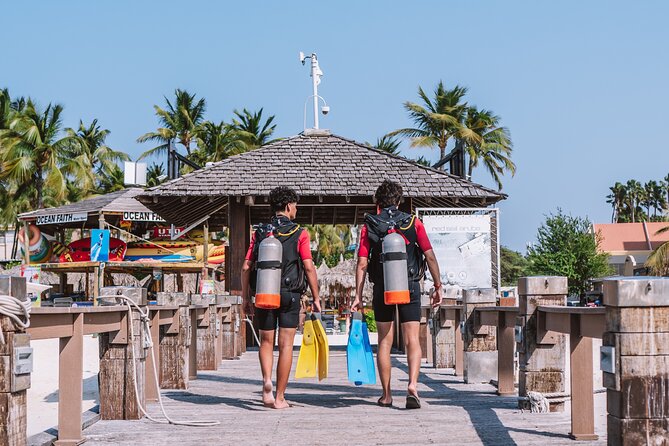
Scuba isn’t hard because the math is complicated. It’s hard because you’re learning a new relationship with breathing, pressure, and movement—all while staying calm. The instructors on this course lean hard into that.
In the reviews, names came up repeatedly: Carl was described as calm and professional; Ernie was praised for being patient with nervous first-timers; Freddy and Manny were called out for clear teaching; and Lennart (spelled as Lennart or Leonard in different write-ups) emphasized staying calm from the first meeting. That theme shows up because it works: your body relaxes, your buoyancy improves, and suddenly the underwater world feels readable.
You should also take the medical rules seriously. This experience requires medical clearance, and you may be asked to complete a medical questionnaire. People with certain conditions (or those who are sick, congested, or affected by alcohol/drugs) may be refused for safety. One review described a situation where a participant couldn’t go because a son had been coughing after the pool session, and the operator chose safety over pushing it.
So here’s my practical advice: if you’re even mildly sick (cough, congestion, anything that affects breathing), be ready for the possibility that you may not get in the water that day. It’s not worth ruining your vacation for something you could postpone.
What you’ll see in Aruba: fish, coral, and shipwreck scenery
This course is built for first-timers, so the underwater sites tend to be accessible and focused on variety you can actually enjoy—without needing advanced certification.
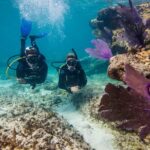
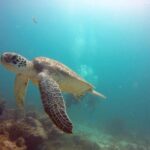
On reef visits, you can expect tropical fish and coral. Multiple review write-ups specifically called out things like schools of fish at arm’s length and bright reef life. You may also see larger creatures that make the moment feel real: octopus, rays, lobster, shrimp, and even sea turtles were mentioned.
Shipwreck sites are often the big emotional payoff for beginners. In the feedback, people talked about an unforgettable wreck experience, including the Pedernales/Pedernalis wreck. A wreck gives you structure underwater—something to orient toward and look at while you practice staying neutral in the water.
And then there are the “how is that even there?” surprises. One person mentioned spotting a wahoo, another noted a moray eel, and several mentioned turtles and clear visibility. You can’t promise specific animals on any day, but the consistency in the types of sightings is strong.
You can also read our reviews of more tours and experiences in Aruba



The boat details that matter more on day one
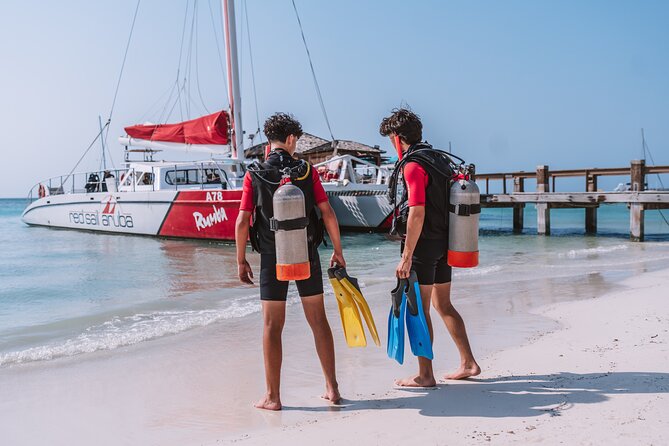
The boat setup is designed for beginners. That sounds like marketing, but you’ll feel it when you’re wearing gear and trying to board smoothly.
This tour’s boat has:
- Twin drop-down ladders for easier entry and exit
- A two-tier photo table for camera/video equipment
- A restroom onboard
- Fresh water showers so you can rinse off right away
For a first underwater experience, boarding and exiting can be the most stressful moment. Ladders reduce that scramble. The showers are also more than comfort—they help keep sand and salt from turning your gear and suit into a sad, crunchy mess.
Also, keep in mind that the boat trip happens before your underwater time. If you’re the type who gets seasick, you might want to take precautions before you arrive. The provided info doesn’t list weather/sea conditions, so I can’t predict how smooth the ride will be, but Aruba days can vary.
Gear, your body, and the small issues that shape the whole day
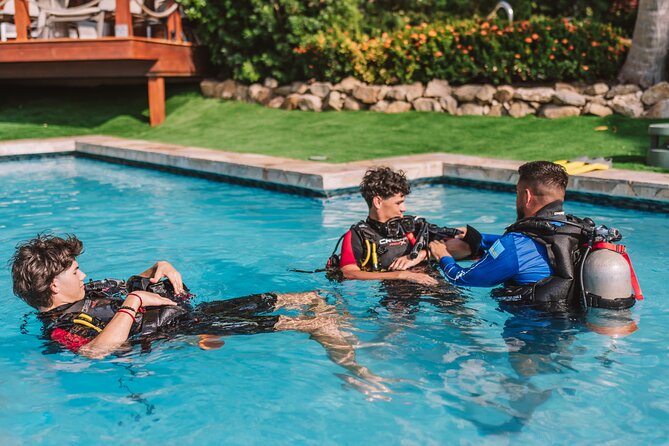
Everything you need is included: all dive equipment and water. That’s a big value win, because renting or buying gear can erase the “cheap fun” feeling of a first course.
Still, you should know a couple of real-world issues that came up:
1) Swimsuit wear and tear
One review complained that the equipment left rubber marks on a swimsuit. The practical fix: wear an old suit or a dark one you don’t mind getting scuffed.
2) Mask fit can be a sticking point
Another write-up mentioned having trouble with mask fitting during pool time and wished there had been more help or additional surface snorkeling practice later. Even if your experience is smoother than theirs, assume you may need to adjust and re-adjust your mask once or twice.
3) You might be asked to do a short online step
One person said they were asked to take a quick online course before meeting (about 10 minutes). The official details provided don’t spell this out, but it’s a smart idea to check your confirmation instructions closely.
4) You’ll be in a structured training zone
Instructors accompany you underwater and keep you close. That’s reassuring. It also means you’re not freelancing around like you might in your own certified dives one day. As a beginner, that structure is a feature.
Timing, group size, and planning your Aruba day
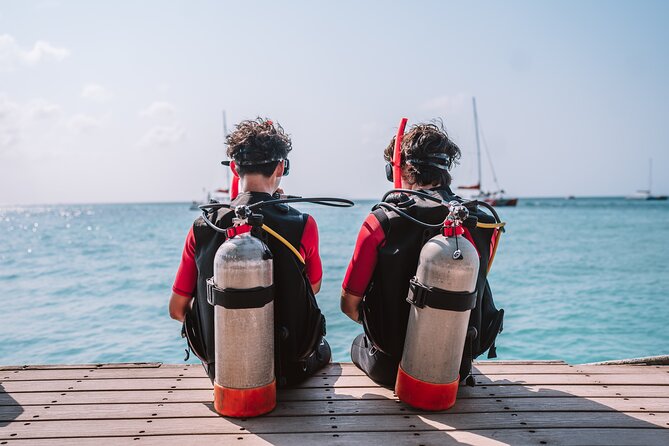
The course runs about 4 hours, and the tour holds a maximum of 4 travelers. That small cap is one of the best ways to keep the experience personal. When the group is tiny, instructors can spend time on the specific thing each person needs—like a buoyancy adjustment or a breathing cue—without repeating themselves to a crowd.
That said, timing matters. Some feedback pointed to long waits for staff check-in or for the boat to return from another trip. The underwater portion can feel very short because the real focus is skill-building and staying within a beginner range. If you treat this as a gentle first step, you’ll feel great. If you treat it like an all-day aquarium ticket, you might feel short-changed.
A good way to plan your day: schedule this early enough that you have cushion afterward. Don’t set a tight lunch reservation where you’ll panic if you’re 30 minutes late.
Price in context: is $104 a fair deal for a first scuba day?
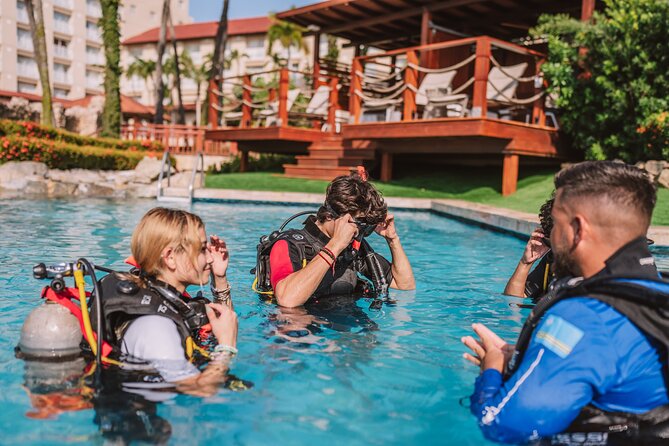
At $104 per person, you’re paying for a real training package: instruction, equipment, a boat outing, and a guided underwater experience. For beginners, that’s the key value: you’re not just buying access to water—you’re buying support, safety structure, and the learning time that helps you enjoy what you see.
Here’s how to judge if it’s worth it for you:
- If you’ve never done scuba before, the included pool training is usually the make-or-break part. You’re learning how to breathe and control yourself underwater before you’re asked to perform.
- If you already love snorkeling and want a step up, this gives you a controlled intro without the full commitment of advanced certification right away.
- If you’re expecting a private, one-on-one coaching session, you may want to consider a different setup. The max group size helps, but a small group is still a group.
One more practical tip pulled from the feedback: some people suggested you can sometimes save around $10 per person by booking directly with Red Sail Sports – Aruba instead of through a third-party listing. If the price difference is small, compare what you’re getting and go with the option that makes you feel most confident in timing and communication.
Who should book this course, and who should reconsider
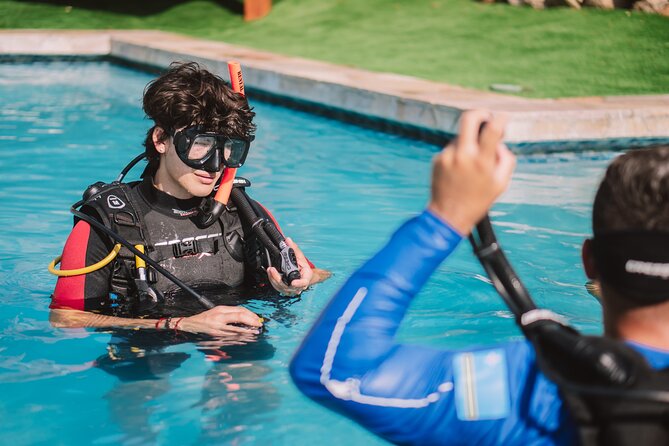
This is ideal if you:
- Are doing your first scuba attempt and want a structured intro
- Want an instructor close by while you learn
- Like the idea of seeing fish and coral, plus the option of a shipwreck site
- Prefer a small group and hands-on guidance
It may not be the best fit if:
- You’re very anxious and need complete control over timing. A calmer day can help, and you should build in patience for check-in/boat timing.
- Your main goal is maximum underwater time. This is short by design.
- Your medical situation isn’t stable. If you’re congested or have breathing-related symptoms, follow the medical clearance rules. Safety wins.
It’s also not recommended for children age 10 and under, so plan accordingly if you’re traveling with kids.
Should you book this beginner scuba course in Aruba?
I think you should book it if you want a safe, beginner-focused way to go underwater in Aruba without guessing. The combination of pool instruction, a guided 1-tank experience in manageable depth, and the chance to see real marine life (including turtles and wreck structure) makes the $104 feel like a practical first step.
I’d pause and plan carefully if you’re the type who hates delays or you’re traveling on a super tight schedule. And if you’re sick—coughing, congested, or feeling off—do yourself a favor and treat that as a “skip today, go later” situation.
Bottom line: if you’re open to learning first and exploring second, this is one of the better ways to start scuba in Aruba—and you’ll leave with a story that sounds way bigger than a half-day.
FAQ
How long is the half-day intro course?
It runs about 4 hours total.
Do I need previous scuba experience?
No. This is designed for beginners with no previous experience required.
What training happens before I go into open water?
You get classroom/theory basics and then about 2 hours of instruction and practice in the pool, including equipment use and breathing/pressure fundamentals.
How long is the open-water part?
You’ll do a 1-tank open-water swim of approximately 30–40 minutes, guided by an instructor.
How deep will we go?
The course targets dives/swims in the 20–30 ft range.
What marine sites might we visit?
The boat goes to a shallow reef or one of the island’s shipwrecks.
Is equipment included?
Yes. All necessary dive equipment is included, along with water.
How big is the group?
Maximum group size is 4 travelers.
What if I have health concerns?
You must pass medical clearance. You may be asked to complete a medical questionnaire, and the operator may refuse participation if you don’t meet safety requirements.
Can I fly the same day as this activity?
It’s a safety requirement not to snorkel or scuba on the same day you fly. Plan your scuba activity accordingly.