REVIEW · ARUBA
Small-Group Aruba Scuba Diving for Non-Certified Divers
Book on Viator →Operated by Pure Diving Aruba · Bookable on Viator
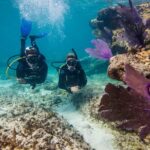
You’re about to trade snorkel for real underwater control. This small-group Aruba discovery scuba session teaches you the skills first, then gives you real time in the water.
What makes it feel worth it fast: a maximum group of four and coaching that stays close, plus shore-based entry at spots like Tres Trapi where first-timers can learn without getting thrown around.
I like how structured the plan is: a clear theory + briefing portion, then equipment setup, then shallow-water practice before you go deeper if you’re comfortable. You also get a practical skill check, not just a scenic swim, which is exactly what reduces stress when you’re new to scuba.
One thing to consider up front: you must complete the medical questionnaire (and sometimes bring written permission). If you answer yes to certain questions, you might be delayed or denied, so do that homework before you book.
In This Review
- Quick Takeaways Before You Go
- A 2 PM Shore Session on Aruba Reefs
- Price and What You Get for $114 (Plus the $7 BBO Fee)
- Pickup Points and the Easy Route to Noord
- 30 Minutes of Theory That Actually Helps
- Gear Setup: Included, Familiar, and Adjustable
- Shallow Water Skills First, Then a Deeper Section
- Marine Life Chances at Tres Trapi (and Why Shore Helps)
- Water Clarity, Weather, and the Reality Check
- How Long You’ll Be Underwater (Air Limits, Not Hours)
- Who This Experience Fits Best
- Should You Book This Aruba First-Time Scuba Session?
- FAQ
- Do I need scuba certification for this experience?
- What is the group size?
- Where will the scuba session take place?
- What time does the activity start and how long is it?
- Is pickup included?
- What scuba equipment is provided?
- Is there any additional fee?
- What are the age requirements?
- Can I fly after this scuba session?
- Do I need to complete a medical questionnaire?
Quick Takeaways Before You Go
- Max 4 people means you’re not competing for attention when questions pop up.
- Two-diver-per-instructor ratio keeps the pace calm and the checks frequent.
- Gear is included, with the option to bring your own mask and fins.
- Shallow skills first, then a controlled deeper section if you’re ready.
- Tres Trapi is a common starting point, and it’s praised for clear, calm conditions and frequent wildlife.
A 2 PM Shore Session on Aruba Reefs
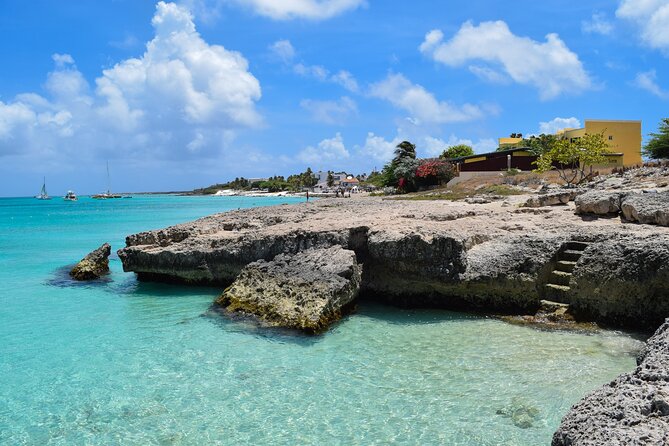
This is an afternoon Discovery Dive style experience, starting at 2:00 pm and running about 2 hours total. It’s set up as a shore activity, not an all-day boat adventure, so your day stays easier to plan.
The actual underwater portion is shorter than you might imagine at first. For non-certified participants, you should plan on around 45 minutes in the water, depending on air use. That’s not a downside. It’s part of how scuba stays safe: tanks aren’t meant to be run almost empty, so instructors manage time so you surface with margin.
You can also read our reviews of more scuba diving tours in Aruba
Price and What You Get for $114 (Plus the $7 BBO Fee)
At $114 per person, the big value isn’t just the chance to see underwater life. It’s what’s wrapped into that price:
- Instruction geared to people without certification
- A tight group size and close supervision
- The full set of scuba gear (with the option to use your own mask/fins)
Then there’s one add-on: a BBO Fee of $7 per person, which isn’t included. So your all-in expectation should be $121 before any personal spending.
When I look at value for first-time scuba, I focus on three things: instructor time, safety redundancy, and equipment readiness. This format hits all three.
Pickup Points and the Easy Route to Noord
Logistics matter a lot for activities that start mid-afternoon. This one helps you out with pickup from specific areas, including:
- Palm/Eagle resorts
- Harbor House
- Renaissance resorts
- Cruise terminal pickup (there’s a Citgo petrol station opposite the exit)
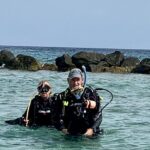
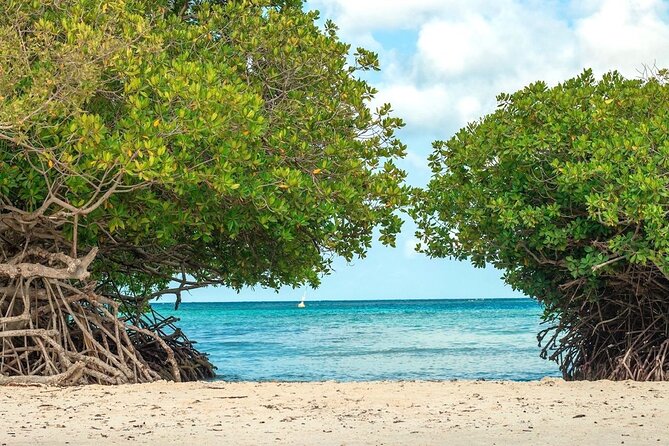
You’ll start at Tres Trapi Beach, on L.G. Smith Boulevard 105 in Noord, Aruba, and the activity ends back there. That back-to-base ending matters if you’re trying to grab dinner afterward without turning it into a second tour.
30 Minutes of Theory That Actually Helps
The session begins with about 30 minutes of theory and briefing. This is where first-timers get the “what to do when” basics—things like how to manage breathing, how to clear your mask, and how to handle the small problems that feel big underwater (especially early on).
A big theme from the instruction style is repetition with patience. In past sessions, instructors including Alonzo, Alonso, Alvaro, Steve, Jay, and Michel have been described as calm and supportive. Some divers also noted the teaching approach using storyboard-style instruction, which can be a relief if you learn better with visuals than with a long lecture.
You’ll feel better when you can predict what comes next. That briefing is doing its job.
Gear Setup: Included, Familiar, and Adjustable
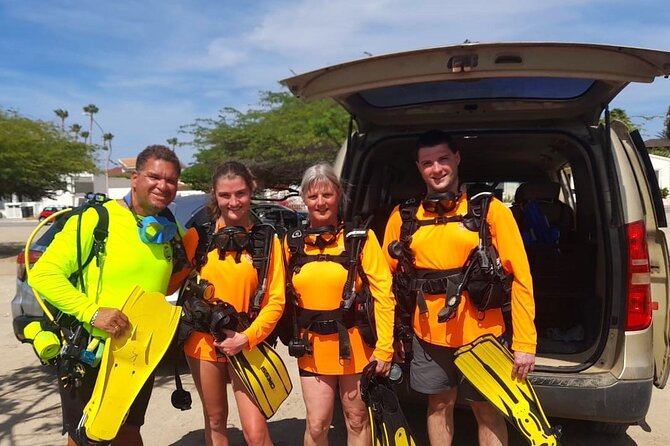
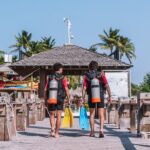
After the briefing, you get your equipment: BCD, regulator, weights, tank, mask, and fins. You can also use your own mask and fins if you prefer, which is a smart move if you already have gear you trust for comfort.
The part that matters most here isn’t the brand names. It’s that you’re fitted and coached before you’re asked to do anything in the water. If you’ve ever tried a borrowed mask at a pool, you know how annoying fit issues can be. This is the moment to fix that before it becomes a distraction underwater.



Shallow Water Skills First, Then a Deeper Section
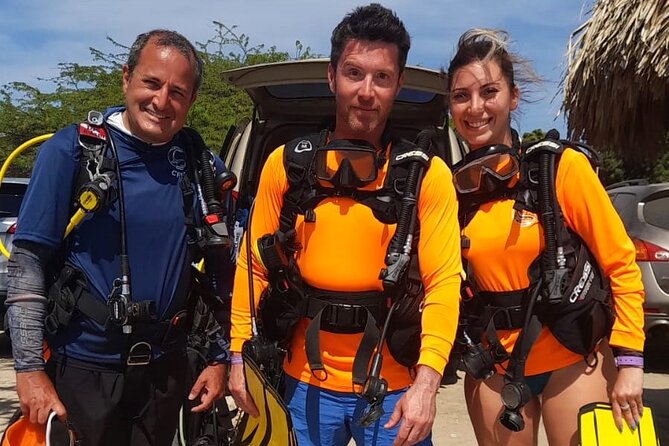
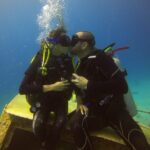
Once your gear is on, you head into shallow water to practice comfort skills. Think: breathing control, basic positioning, and working through the mechanical routine so your brain stops panicking and starts enjoying the view.
Then, if everything feels okay, you’ll move to the deeper part to show you the underwater world up close. The key is that it’s not a surprise drop. You earn it step by step, which is why so many first-time divers come away feeling safe.
Small detail that shows up in the experience design: instructors keep constant checks when you’re new, especially during transitions. That’s exactly what you want when you’re still learning how your body behaves with scuba gear.
Marine Life Chances at Tres Trapi (and Why Shore Helps)
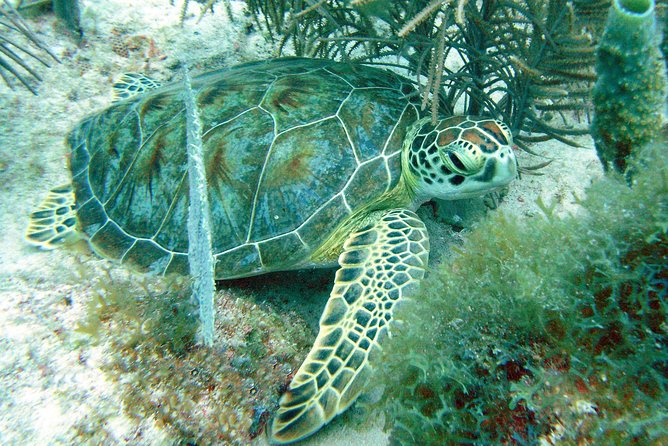
Aruba is famous for clear water and colorful marine life, but shore entry makes a difference for beginners. With shore access at places like Tres Trapi (and sometimes Mangel Halto), conditions can be calmer for learning, and visibility tends to be easier to read once you’re horizontal.
From the wildlife people report, you’ll want to keep your eyes open for:
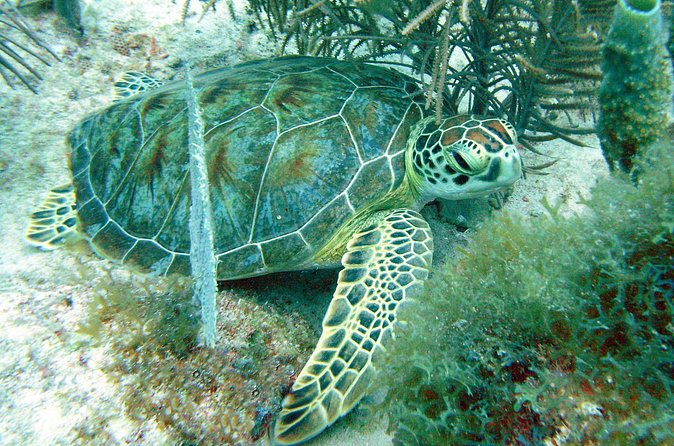
- Sea turtles (often the big highlight)
- Eels
- Flying fish
- Octopus sightings
- Schools of tropical fish
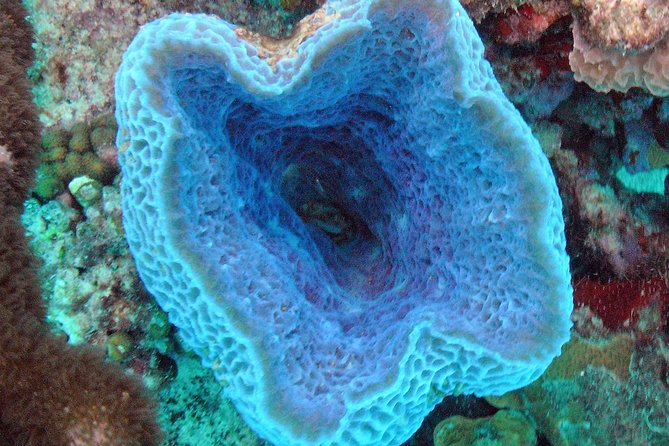
- Coral formations, including a wall-like coral structure reported as impressive
You also get the “I can actually look around” effect more than you might expect. When the skills are coached well, you’re not too busy wrestling your equipment, so you can spend attention on what you came for.
Water Clarity, Weather, and the Reality Check
This experience depends on good weather. If conditions are rough enough, you’ll be offered a different date or a full refund.
One practical note: even in clear water destinations, conditions can vary. There’s at least one account of murkier water due to weather. The good part is that instructors still focus on safety and learning, so you’re not left on your own hoping it improves.
Bring the attitude that this is a training session first, sightseeing second. If you do, you’ll likely enjoy it more.
How Long You’ll Be Underwater (Air Limits, Not Hours)
Even though the total tour time is about 2 hours, your actual underwater time is not measured the way snorkeling is. For non-certified participants, you might spend around 45 minutes in the water.
Why that cap? Tanks can’t be used until they’re totally empty, and air consumption varies by comfort and breathing. The better you control breathing and stay relaxed, the longer things feel. And yes—time can feel faster than you expect once you stop thinking and start watching fish.
Who This Experience Fits Best
This is designed for non-certified divers, including people who are curious but nervous. Minimum age is 10 years, so it can work for families with older kids who can follow directions and stay calm.
It’s also a good option if you:
- Want scuba skills without committing to a full certification course yet
- Prefer a guided, controlled learning environment
- Like the idea of staying close to shore rather than traveling offshore
From what’s been shared about instruction, the team’s focus is on making you feel safe enough to learn. When someone hesitates, the instructor stays close and adjusts—rather than forcing you to “push through” out of pride.
Should You Book This Aruba First-Time Scuba Session?
If your priority is a first scuba experience that feels managed, this is a strong choice. The small group size, the tight instructor attention, and the step-by-step shallow-to-deeper structure are exactly what reduce first-time stress.
Before you book, do two things:
- Complete the PADI/SDI medical questionnaire in advance. If you might need permission, plan for written approval with your doctor.
- Choose your gear preferences early. If you already have a comfortable mask and fins, bring them.
If that medical step is a big unknown for you, pause and sort it out first—because that’s the one factor that can stop the experience before it starts.
If you want me to tailor advice, tell me your age, whether you’ve snorkeled before, and whether you have any medical considerations you’re unsure about. I can help you sanity-check readiness using only the rules you have here.
FAQ
Do I need scuba certification for this experience?
No. This is a discovery-style scuba session made for non-certified divers.
What is the group size?
The experience has a maximum of 4 travelers, with up to 2 divers per instructor.
Where will the scuba session take place?
The dive will be at Tres Trapi or Mangel Halto.
What time does the activity start and how long is it?
It starts at 2:00 pm and runs about 2 hours.
Is pickup included?
Pickup is included from Palm/Eagle resorts, Harbor House, and Renaissance resorts, and there is also cruise terminal pickup.
What scuba equipment is provided?
Included equipment is BCD, regulator, weights, tank, mask, and fins. You can use your own mask and fins if you prefer.
Is there any additional fee?
Yes. A BBO Fee of $7 per person is not included.
What are the age requirements?
The minimum age is 10 years.
Can I fly after this scuba session?
No. You are not allowed to fly for at least 18 hours after the activity.
Do I need to complete a medical questionnaire?
Yes. You should review the PADI/SDI medical questionnaire before booking, consult your doctor if needed, and bring written permission if required.