REVIEW · ORANJESTAD
Spanish Lagoon Mangrove Trail & Bird Watching
Book on Viator →Operated by Aruba Nature Adventures · Bookable on Viator
Aruba wakes up early here. The Spanish Lagoon Mangrove Trail is the kind of morning walk that feels quiet, alive, and focused—especially when your guide points out bird life and the burrowing owl nests at Shoco. I also like how archaeology shows up on the same trail, including shell middens dating back to 1465 BC. One consideration: it’s a real hike, with stairs and uneven ground, so wear comfy shoes and plan for that early 7:30 am start.
This is priced at $90 per person for a 2 to 3 hour experience that keeps the group small (max 10), and you’ll get water and fruit along the way. Pickup is offered, and if you want to make it a longer, tastier break, there’s an optional lunch at Ricardo’s Restaurant & Bar with views over Eagle Beach.
In This Review
- Key highlights you’ll care about
- Spanish Lagoon Mangrove Trail: Why this half-day feels worth it
- Meeting at Pos Chiquito and getting your bearings fast
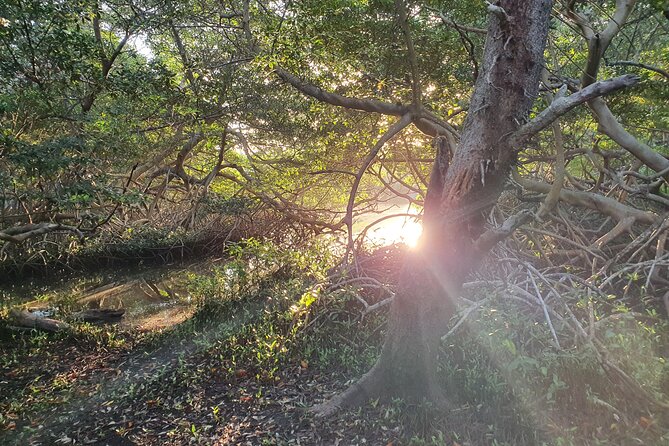
- The mangrove walk: birds, Shoco owl nests, and those ancient shell middens
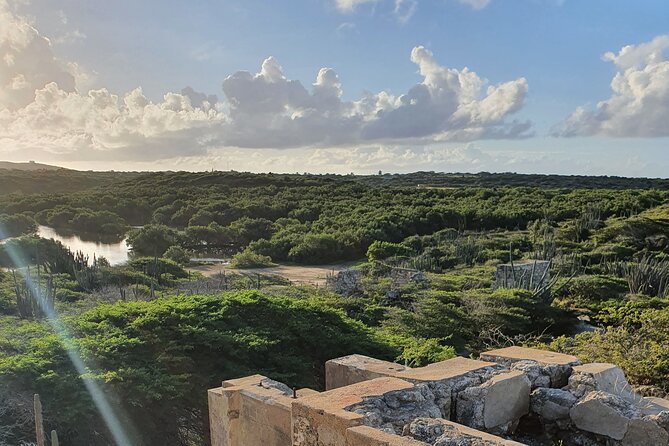
- Balashi Gold Mill Ruins and Frenchman’s Pass: the storytelling stop
- Optional lunch at Ricardo’s Restaurant & Bar over Eagle Beach
- Price and value: what $90 buys you in Aruba’s real world
- What to bring so the morning feels easy
- Who should book this tour, and who should think twice
- Should you book Spanish Lagoon Mangrove Trail & Bird Watching?
- FAQ
- What is the duration of the Spanish Lagoon Mangrove Trail and bird-watching tour?
- Where does the tour start?
- What time does the tour begin?
- Is lunch included?
- What’s included in the tour price?
- Do I need to buy admission tickets?
- Can I get a refund if my plans change?
Key highlights you’ll care about
- 7:30 am bird-watching timing that makes early birds (and owl spotting) more realistic
- Mangrove trail + shell middens reaching back to 1465 BC
- Shoco burrowing owl nests are a named focus of the tour
- Balashi Gold Mill Ruins paired with the story of Frenchman’s Pass
- Small-group feel with a maximum of 10 travelers
Spanish Lagoon Mangrove Trail: Why this half-day feels worth it
If you like Aruba beyond the beach chair, this tour hits a sweet spot. You’re outdoors for a short window, but you get variety: mangroves, archaeology, ruins, and bird life all in one morning. The timing matters too. Starting at 7:30 am helps the hike feel cooler and more active for spotting wildlife.
The small group size (max 10) is a big part of why this works. You’re not being rushed down a trail. A good guide can stop when birds pop up, explain what you’re seeing, and keep the pace comfortable. In the reviews, guides like Meck, Jorge, and Rambo are specifically praised for making the hike enjoyable and easier—especially for families with kids.
The main trade-off is the word “hike.” Even though it’s only 2 to 3 hours, you’ll be moving for stretches, climbing stairs to get a view, and walking back down. Plan for that, and you’ll enjoy it more.
You can also read our reviews of more tours and experiences in Oranjestad.

Meeting at Pos Chiquito and getting your bearings fast
You start in Pos Chiquito at the TeleAruba area (and pickup is offered if you’re within the tour’s range). The morning begins with a short stop—about 30 minutes—at the local TV sender, TeleAruba.
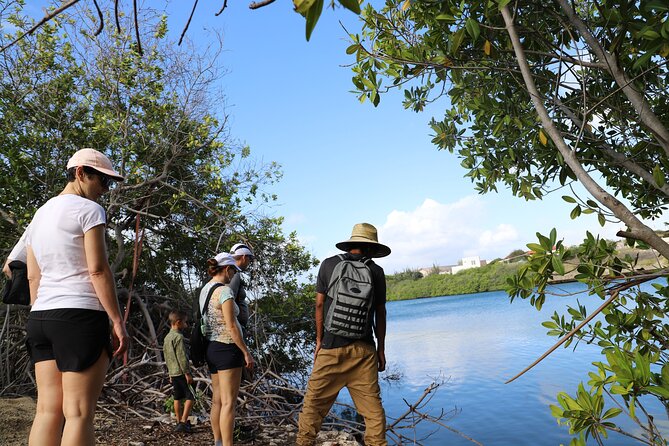
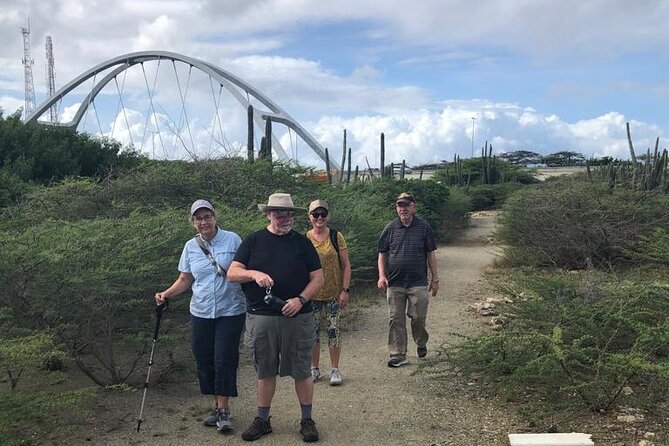
From there, you begin the hiking along the Spanish lagoon and climb up to the old bridge for a viewpoint. This is more than a scenic warm-up. It’s the moment you get your bearings: you can see where the lagoon stretches, and you understand the geography before you go deeper into the mangroves.
Practical tip: the hike begins early, so bring what you need for the first hour—water is included, but you’ll still want to be comfortable from the start. If you tend to run cold in the morning, bring a light layer.
The mangrove walk: birds, Shoco owl nests, and those ancient shell middens
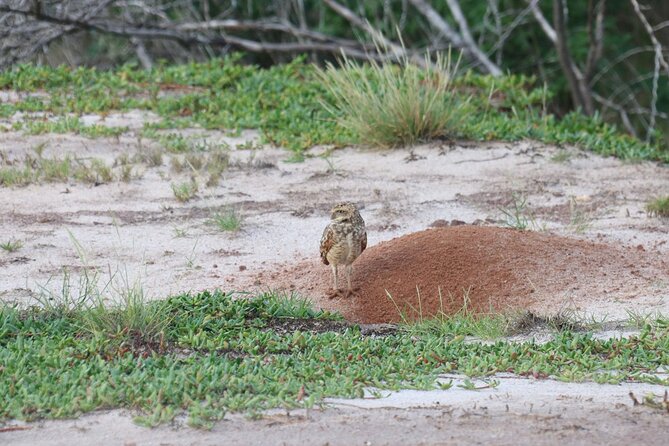
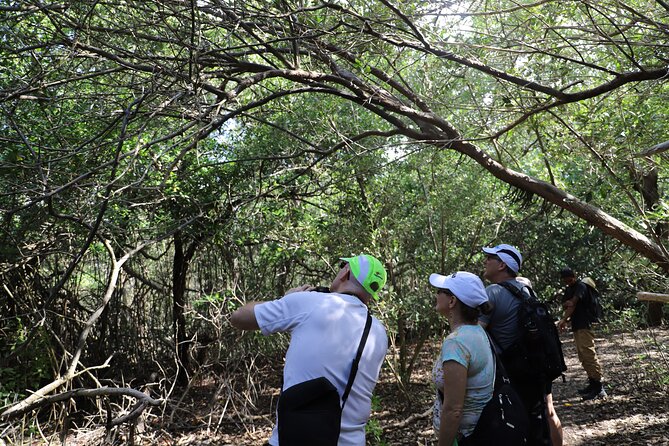
The heart of the tour is the Spanish Lagoon section, roughly 1 hour 30 minutes on the mangrove trail. This is where the experience shifts from scenery to spotting and learning.
As you hike, you’ll pass along one of the oldest aloe farms at the top before heading back down and reconnecting with the trail. Aruba’s aloe history is tied into how the island developed, so it’s a useful stop that breaks up the walk without feeling like a detour.
The tour also focuses on archaeology. You’ll hear about archaeological wonders dating back to 1465 BC, including shell middens. A shell midden is basically accumulated shell waste left by people over time. Hearing that story while you’re walking in the same coastal environment makes it more than a trivia moment—it helps you picture why humans would settle here.
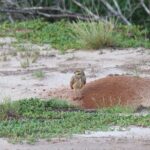
And yes, bird watching is a named feature. You’ll have a chance to spot the renowned burrowing owl at the Shoco nests. The best way to set yourself up for success is to stay quiet when the guide signals you to pause, and keep your eyes moving. The early morning bird activity is one of the most consistent takeaways in the reviews.
What to bring for this part:
- Bug spray (seriously)
- Binoculars if you have them—some people suggest they’re helpful for bird spotting
- Comfortable closed-toe shoes for uneven ground
Also, the pace is generally described as intermediate. That doesn’t mean it’s a suffering contest, but it does mean you should expect a real outdoor walk. One review notes the tour can work for kids (ages 8 and 6), with occasional piggybacking—so it’s not extreme, but it is active.
Balashi Gold Mill Ruins and Frenchman’s Pass: the storytelling stop
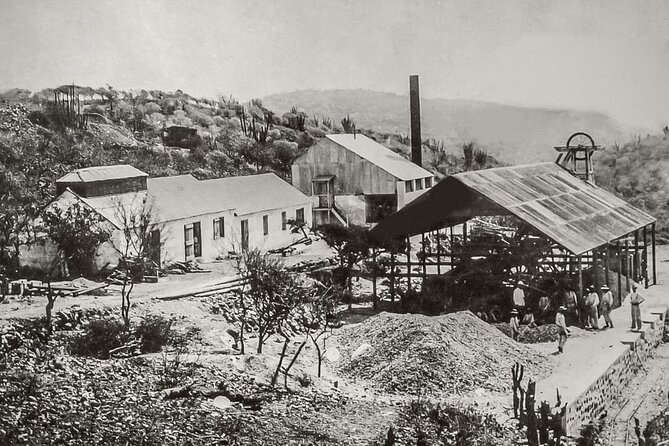
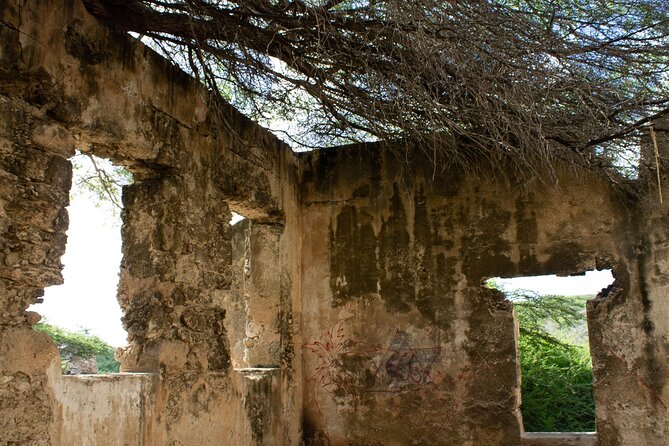
Around the middle-late part of the outing, you visit the ruins of the Old Balashi Gold Smelter Ruins. This is about 30 minutes, and it’s one of those stops that turns “nature walk” into “Aruba story.”
The ruins are near the old Frenchman’s Pass, and you’ll hear a story about the Frenchman’s Pass right where it’s located. One reason this works is that the ruins don’t feel like an isolated museum stop. You’re still in the same broader area you’ve been hiking through, so it ties the human use of the land to the wildlife and coastal geography you just experienced.
Photo note: plan for a few minutes of looking around before you move on. Ruins can feel more interesting when you take your time scanning details, not when you race the clock. And because this portion is outdoors, you’ll want decent grip shoes even if the weather looks calm.
If you’re someone who likes a mix—walk plus learning—this is the moment that usually lands hardest. It gives the morning a clear third act besides birds and mangroves.
Optional lunch at Ricardo’s Restaurant & Bar over Eagle Beach
If you’re extending the day a bit, there’s an optional lunch at Ricardo’s Restaurant & Bar with views over Eagle Beach. This is a smart add-on for two reasons.
First, it keeps your morning energy from disappearing the moment the hike ends. Instead of grabbing something random, you finish with an actual sit-down meal and a change of pace.
Second, Eagle Beach views are a nice reward after being out on trails. The contrast is fun: you’re walking mangroves in the heat of learning, then you’re looking out over one of Aruba’s best-known beaches while you eat.
If you don’t add lunch, you still finish with enough time to do other things later that day. But if you’re the type who gets hangry and loves beach breaks, this option is worth considering.
Price and value: what $90 buys you in Aruba’s real world
At $90 per person, this tour is not a cheap throw-in. So here’s how I’d judge the value.
You’re paying for:
- A guided hike rather than a self-guided nature walk
- A small group experience (max 10)
- A morning timing designed for bird watching
- Inclusion of water and fruit
- Access to key areas, including mangrove trail time and the ruins visit
Also, the tour is described as private, which usually means you’re not stuck in a giant pack. In practical terms, that can mean fewer people blocking your view when birds pop up, and more flexibility to pause and ask questions.
It’s also telling that this tour is often booked about 44 days in advance on average. That suggests demand for early morning experiences and that spots may fill up when cruise crowds coordinate with land stays.
If you’re already paying for taxis separately and you want someone to explain shell middens, aloe history, and ruin stories while you walk, the guide-centered format starts to look like a fair deal—not just a hike with a label.
What to bring so the morning feels easy
Even with a strong guide, your comfort is on you. Aruba mornings can still bring bugs and sun, and mangrove trails mean uneven footing.
Bring:
- Bug spray (mentioned as important)
- Comfortable clothing that can handle a light climb and time outdoors
- Comfortable closed-toe shoes with grip
- Binoculars if you have them (helpful for bird watching)
- Water-friendly basics even though water is included
You’ll get:
- Water and fruit during the tour
- A guided experience focused on the trail, ruins, and named owl nests
Not included:
- Tour guide tips, so have some cash or a plan for how you’ll handle gratuities
Who should book this tour, and who should think twice
This tour fits best if you want:
- Bird watching with a real chance at burrowing owl spotting at Shoco nests
- A mix of nature and archaeology, including shell middens going back to 1465 BC
- A morning activity that’s active but still short enough to leave the rest of your day open
It also tends to work well for families with older kids. One review describes doing the hike with children aged 8 and 6, with the little one needing a few breaks. That’s encouraging if your kids can handle walking and you’re prepared to take it slow.
Think twice if:
- You have mobility limits that don’t play well with stairs and uneven ground
- You hate early mornings. A 7:30 am start is the deal here.
Should you book Spanish Lagoon Mangrove Trail & Bird Watching?
I’d book it if you want an Aruba morning that’s calm, curious, and genuinely different from the beach-only plan. The combination of mangroves, the named burrowing owl nests at Shoco, and archaeology like shell middens dating back to 1465 BC makes the hike feel purposeful instead of just scenic.
Do it especially if you like guided storytelling—Balashi Gold Mill Ruins and the Frenchman’s Pass story are the kind of add-on stops that make a short tour feel longer in the best way.
Skip or reconsider if you don’t do well with hikes and stairs. Otherwise, this is a smart half-day use of your time in Oranjestad, with the option to end with a view over Eagle Beach at Ricardo’s.
FAQ
What is the duration of the Spanish Lagoon Mangrove Trail and bird-watching tour?
The tour runs about 2 to 3 hours.
Where does the tour start?
It starts at TeleAruba in Pos Chiquito. Pickup is offered.
What time does the tour begin?
The start time is 7:30 am.
Is lunch included?
Lunch is not included by default. There’s an optional lunch upgrade at Ricardo’s Restaurant & Bar overlooking Eagle Beach.
What’s included in the tour price?
Water and fruit are included.
Do I need to buy admission tickets?
Admission tickets are listed as free for the tour stops.
Can I get a refund if my plans change?
You can cancel for a full refund up to 24 hours in advance of the experience’s start time.