REVIEW · ARUBA
Guided Trikes Tour Around Aruba Island
Book on Viator →Operated by Trikes Aruba · Bookable on Viator
A trike tour turns Aruba into a moving postcard. You drive your own three-wheeler along real island roads, guided to key sights, plus a hands-on stop for glass art and an aloe production visit. I like that the pace feels tour-like but not rushed, with photos taken along the way and plenty of time to look, walk, and breathe in the sea air.
What I like most is how smoothly they set you up to ride. You get instructions, a test drive, and guides keep an eye on safety all morning. I also like the mix of stops, from views at Alto Vista Chapel and Casibari Rock to the Studio Murano glass exhibit, then out toward some of Aruba’s best beaches.
One consideration: you are on the road, not just staring at the shoreline. Some routes include residential and less-scenic stretches, and driving a trike (especially if you’re new or anxious) may feel like a lot until you get used to it. Also, Aruba’s traffic lights are basically non-existent, with just a single one reported.
In This Review
- Key highlights worth planning for
- Aruba on three wheels: why this tour feels different
- Trike comfort and safety: the part you should actually care about
- The morning starts at Alto Vista Chapel
- Lighthouse Point: quick ocean views with a climb option
- Casibari Rock formations: the most payoff-per-minute stop
- Studio Murano: glass art, photos, and that “only in Aruba” feeling
- Aloe Factory: optional, educational, and easy to skip if you’re beach-minded
- Riding “most of Aruba”: how the beach time usually feels
- Price and value: is $95 really fair for what you get?
- Who should book this trike tour, and who should pause
- Cruise-ship timing and the photo question
- Should you book Trikes Aruba?
- FAQ
- How long is the guided trikes tour?
- Is pickup available, and where does the tour start?
- Is this tour private?
- What languages are the guides?
- What’s included in the price?
- Is the Aruba Aloe Factory stop mandatory?
- Do I need to plan for snacks or extra purchases?
- What should I wear or bring for the ride?
- What’s the cancellation window?
Key highlights worth planning for
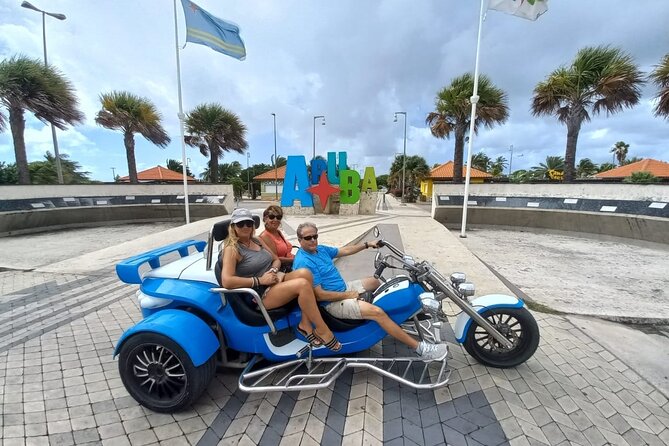
- Self-drive trikes with real coaching before you hit the road
- Alto Vista Chapel + lighthouse viewpoints with short walking stops built in
- Casibari Rock climb for big-city views from the top
- Studio Murano glass exhibit and photo moment during the stop
- Optional Aloe Factory tour if you want more culture (or skip for beach time)
- Included photo service, often posted online, but timing can vary
Aruba on three wheels: why this tour feels different
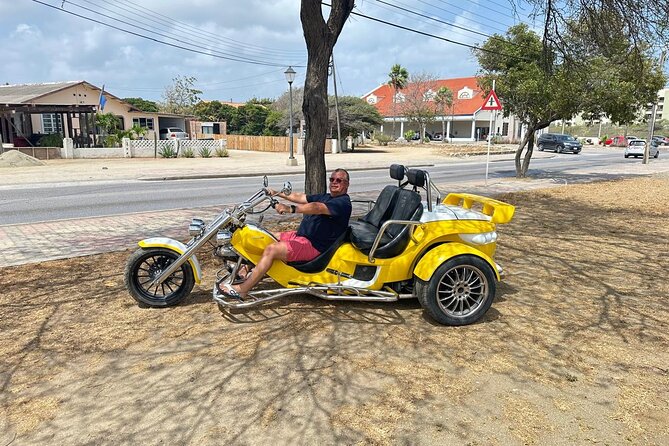
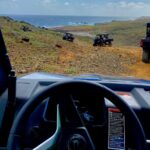
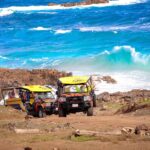
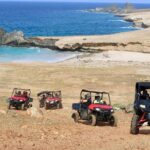
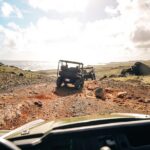
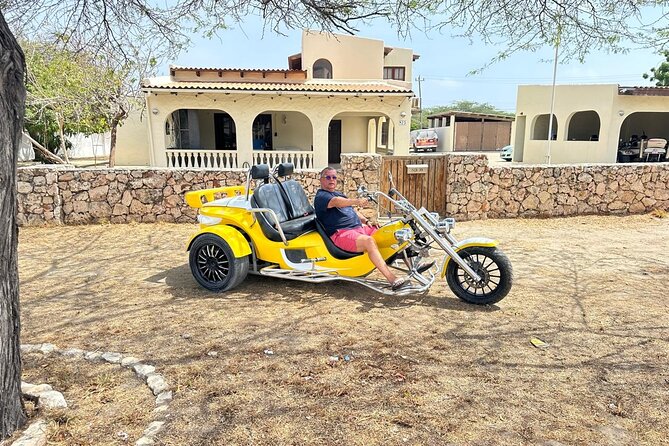
This isn’t a bus tour where you sit, point, and forget. It’s you, your own trike, and a guide leading the way. That matters in Aruba, because you can feel the speed of the island the moment you roll out of town: the heat, the breeze, the quick turns, and the way the views pop up between low buildings and coastal roads.
The itinerary also keeps changing your brain. You’re not stuck in one kind of sightseeing. You start with a chapel and panoramic views, then shift to lighthouse area viewpoints, then get a short workout climbing Casibari Rock. After that you’re at glass art production and a museum-style aloe stop, followed by beach time. It’s a good blend of scenic, cultural, and relax.
And yes, the novelty factor is real. When you ride a trike, people notice. It can feel like you’re part of the scenery instead of just passing through it.
You can also read our reviews of more guided tours in Aruba
Trike comfort and safety: the part you should actually care about
First time on a motorcycle-style vehicle is common here. Most riders are surprised how quickly they get comfortable, especially because the guides don’t just hand you the keys and wish you luck.
From the reviews, the routine is clear: guides walk you through driving, then you get time for training and a test drive before the tour starts. Guides also stay attentive during the ride. Names you’ll hear a lot include Marco and David/Davey, and riders consistently credit them for being friendly, helpful, and safety-focused.
Practical takeaways for you:
- Wear a head covering and sunscreen. You’ll be in the sun the whole time, and riders recommend bringing sunscreen and shades (and a hat if you run hot).
- Bring water. One review specifically called out attaching a water bottle to your body.
- Go in ready to concentrate. Aruba has very few traffic lights, and that means you rely more on road awareness and merging behavior than constant stop-and-go signals.
Now, the balance: one rider reported the bikes were very old and mentioned a flat tire that slowed the tour. The good news is that their guide handled it and adjusted the route when time got tight. The larger point for you is simple: the experience is guided and supported, but you should still feel comfortable riding and follow instructions closely.
The morning starts at Alto Vista Chapel
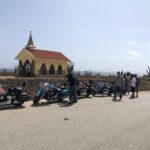
Your first stop is Alto Vista Chapel, with time to walk around and take in the ocean views from the area. You’ll get an explanation of the chapel’s history, plus time for photos both outside and inside.
Why this stop works: it gives you an immediate “top of Aruba” perspective. Even if you’re not a church person, the payoff is the view, and the short stop keeps you from feeling like you’re trapped inside a long sermon. Ten minutes is enough to look, take a few photos, and still be ready for the trike again.
What to watch for: the schedule is tight, so if you love photography, arrive ready to move quickly. You’ll want to capture the chapel and the ocean view without turning it into a 45-minute photo session.
Lighthouse Point: quick ocean views with a climb option
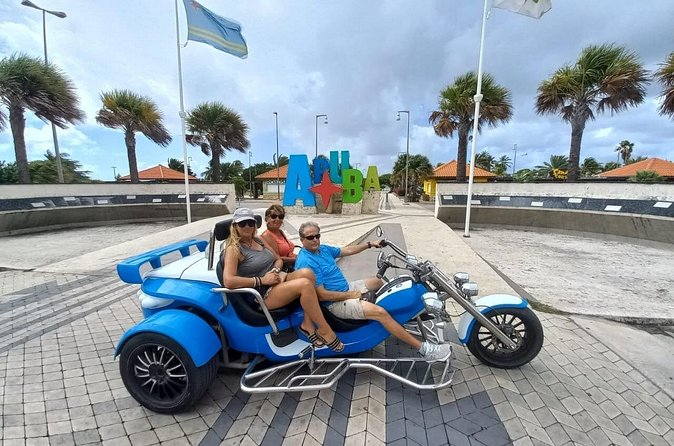
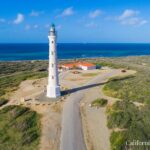
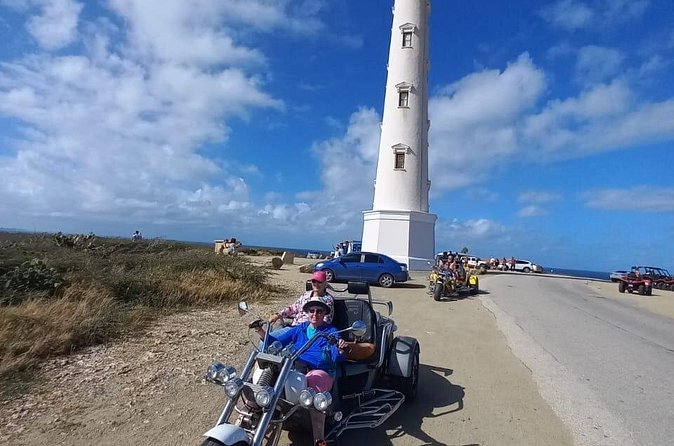
Next up is Lighthouse Point. You’ll route around the lighthouse area by trike and on foot, and you’ll get lookout views of the ocean.
There’s also an option: if you want to go up the lighthouse, you can. The admission for this stop is free, so you’re not feeling nickel-and-dimed before you even start riding.
The biggest value here is simple: it’s the kind of viewpoint that looks great from the road and even better when you stand near the structure. The stop is short, about 15 minutes, which makes it feel efficient. It’s not an all-day lighthouse expedition. It’s a taste, then back on the trike.
Casibari Rock formations: the most payoff-per-minute stop
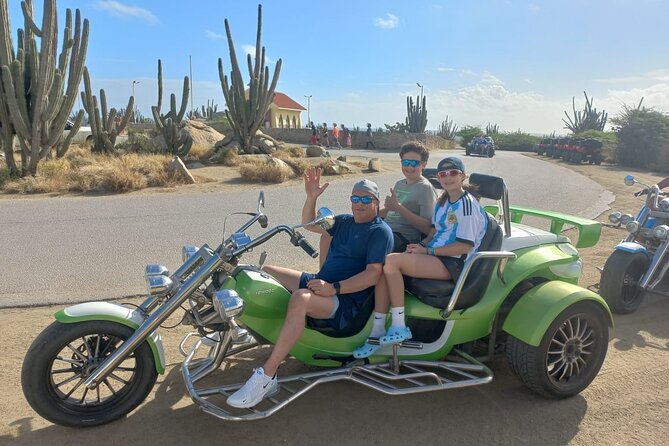
Then comes Casibari Rock Formations. This is the stop I’d plan for if you want a little movement and a big return. You’ll climb the rock formation, get an explanation of how the rock formed, and reach a viewpoint where you can see the city from up top.
Time-wise, think about 15 minutes. That’s long enough to climb, take in the view, and handle the basics. Facilities are available: restrooms are noted, and refreshments may be for sale.
Why people enjoy it: it’s tactile. You’re not just looking at Aruba. You’re climbing in Aruba. And the view at the top helps you understand how the island’s neighborhoods and roads relate to the coast.
One consideration: bring your best “vacation shoes.” You don’t need hiking boots, but you do want footwear with grip. If you’re balancing a camera, you’ll do better with stable footing than with flip-flops.



Studio Murano: glass art, photos, and that “only in Aruba” feeling
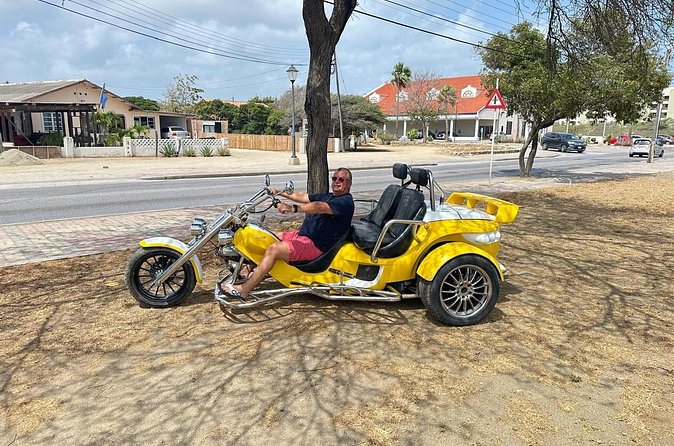
Your next cultural stop is Studio Murano Art & Restaurant. Here you’ll see an exhibition showing how glass ornaments are processed. There’s also a photo session during the stop, plus bathrooms for tourist use.
Snacks are available, but at your expense. The stop is roughly 20 minutes, so it’s not a long shopping spree. You’ll see the process, take your photos, and move on.
What makes this stop stand out: glass workshops are one of those activities that feel small on paper but memorable in real life. You’re watching hands work with glass into finished pieces. Even if you don’t buy anything, you get context for how the art is made.
Photo note: riders report the team takes pictures throughout the tour and you can find them online afterward, usually on Facebook for Trikes Aruba. That included photo service is a big part of why people feel the tour is good value.
Aloe Factory: optional, educational, and easy to skip if you’re beach-minded
Aruba Aloe Factory, Museum, and Store is listed as optional. If you go, you’ll get a facility tour and an exhibition explaining how aloe is processed and what products they make from it. The admission is free for this stop.
Why you might choose it:
- You’ll learn how aloe moves from plant to product.
- It adds variety after the chapel, lighthouse, and rock views.
- If you like short museum-style stops, this fits that pattern nicely.
Why you might skip it:
- You may want extra time on the beach once the ride is done.
- Aruba’s sun and wind can make beach time feel like the main event.
A couple reviews specifically mentioned skipping the aloe stop to cruise more on the beach because the conditions were perfect. That’s a useful mindset for you. If your priority is water and sand, treat the aloe visit as a bonus, not a requirement.
Riding “most of Aruba”: how the beach time usually feels
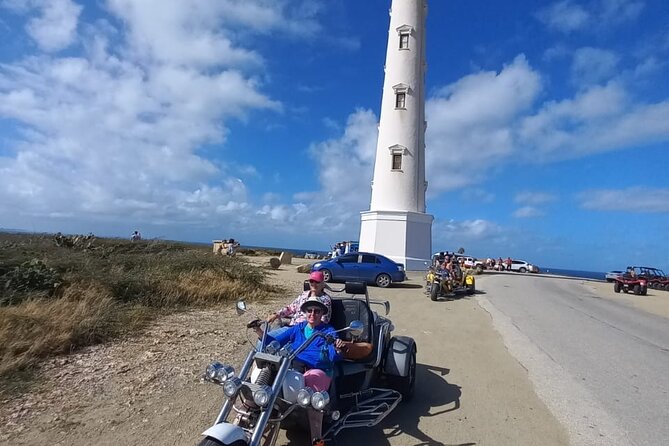
After the cultural and viewpoint stops, the tour shifts into the main ride: you’ll follow the guide along most of Aruba’s roads, with several stops made for the attractions already described. The driving portion is about 1 hour 45 minutes, and that’s where you feel like you’re really moving around the island instead of collecting stamps.
Beach time isn’t presented as a single long lounging block. Instead, the tour takes you to some beautiful Caribbean beaches as part of the route experience. You’ll likely spend short windows stopping near viewpoints and beach areas.
What I think you’ll like: the trike format keeps you alert and engaged. Every time you feel the ride settling into a rhythm, there’s a new look, a quick walk, or a viewpoint. That’s why riders call it a fun way to see a lot of Aruba.
Price and value: is $95 really fair for what you get?
At $95 per person, you’re paying for several things at once:
- A guided, private tour for your group (not a crowded cattle-car vibe)
- In-person guides in English, Spanish, and Italian
- Use of a trike with coaching and support
- Included admission for key stops like Alto Vista Chapel, Casibari Rock, and Studio Murano
- Admission-free stops like the lighthouse point and optional aloe factory
- Photo service taken during the tour (with free access online)
The biggest value is the combination of driving + guided stops + attractions. Most sightseeing tours either transport you to a few places with minimal interaction, or they do a single activity in detail. This one stitches together a route that feels like Aruba, not like a checklist.
Now the honest part: it’s not a cheap day if you measure cost per hour standing still. But it’s a better deal if you measure cost per experience: trike driving time, viewpoint stops, cultural exhibits, and photo coverage.
Who should book this trike tour, and who should pause
This tour is a great fit if you:
- Want a guided way to see the island without renting your own vehicle
- Like variety: viewpoints, a short climb, and hands-on-ish cultural stops
- Feel comfortable following instructions and driving a trike with a guide nearby
- Appreciate included photos and want an easy way to remember the day
You might want to pause if:
- You get anxious in traffic or on unfamiliar roads. One review mentioned not recommending it for inexperienced or anxious drivers, and Aruba’s road style (few traffic lights) can add pressure.
- You only want coastline scenery. Some driving includes residential and less dramatic stretches, even if the viewpoints are excellent.
- You’re extremely sensitive to mechanical issues. A review reported an older trike and a flat tire that slowed things down. That doesn’t mean your tour will have the same problem, but it’s worth acknowledging.
Cruise-ship timing and the photo question
If you’re on a cruise, timing is everything. One rider said the ship ran behind and the team handled it by waiting. Another described how it helps to get off, then follow signs and look for the Trikes Aruba van and guide presence.
The practical point for you: plan to keep a close eye on time. When cruise schedules shift, you want the meeting to feel simple and calm, not stressful. This tour seems to handle delayed arrivals better than many shore excursions.
About photos: multiple reviews say the team takes pictures and they’re posted online for free on Facebook. But there was also a complaint about missing photos months after, followed by an explanation that a guide’s phone had an issue and only some photos could be recovered later. So here’s my advice: check the photo page soon after your tour, download your favorites right away, and don’t assume everything will appear instantly.
Should you book Trikes Aruba?
Yes, if you want an active, guided Aruba day that mixes driving with viewpoints and short cultural stops, and you’re willing to trade some coastline-only driving for a more complete island route.
No, or at least think twice, if you know you’ll hate the idea of driving a trike on unfamiliar roads, or if your main goal is pure ocean scenery the entire time. This tour is about movement and variety, not only shoreline photography.
If you do book, go prepared: sunscreen, shades, hat or head covering, water, and shoes with grip. Also, pay attention during the training. When you get that part right, the day turns into exactly what riders describe: a memorable way to see Aruba in a while different way.
FAQ
How long is the guided trikes tour?
The tour runs about 3 hours to 3 hours 5 minutes.
Is pickup available, and where does the tour start?
Pickup is offered, and the tour starts in Noord, Aruba. The activity ends back at the meeting point.
Is this tour private?
Yes. It’s listed as a private tour/activity, so only your group participates.
What languages are the guides?
Guides are listed as available in English, Spanish, and Italian.
What’s included in the price?
The tour price includes private transportation, in-person guides, and the listed admission fees for several stops (Alto Vista Chapel, Casibari Rock Formations, and Studio Murano Art & Restaurant). Some other stops are free, and the aloe factory stop is optional.
Is the Aruba Aloe Factory stop mandatory?
No. The Aruba Aloe Factory, Museum and Store stop is optional.
Do I need to plan for snacks or extra purchases?
Snacks are mentioned at the Studio Murano stop at your expense, and refreshments are available for sale at Casibari Rock Formations. Admission for those specific items is not listed as included.
What should I wear or bring for the ride?
Plan for sun exposure. You’ll want head covering and sunscreen, shades, and a water bottle attached or easy to access.
What’s the cancellation window?
Free cancellation is offered up to 24 hours in advance for a full refund. Within 24 hours, refunds aren’t available.