REVIEW · ARUBA
Aruba Ostrich Farm Tour with Lunch
Book on Viator →Operated by Aruba Ostrich Farm · Bookable on Viator
Ostriches are fast, even on two feet. This Aruba Ostrich Farm tour pairs a guided look at adult ostriches and emus with a behind-the-scenes visit to the incubator and hatchery, then tops it off with lunch on-site.
I especially like the chance for up-close encounters with the birds and the way the guide explains survival behavior, including why ostriches can run at serious speeds and how they protect themselves. I also like the overall pace: it is long enough to be satisfying, but not so long that kids or tired adults feel trapped in a schedule.
One practical catch: transportation isn’t included, so you’ll need a taxi or your own plan to get to the farm. And because the experience depends on good weather, keep a little flexibility in your day.
In This Review
- Key highlights worth knowing before you go
- What You Really Get for $38: Birds, Lunch, and a Real Farm Loop
- Arriving at Aruba Ostrich Farm: Plan for Your Own Ride
- The Guided Bird Walk: Speed, Defense, Feeding, and Close Encounters
- Art Shop Time: A Practical Add-On If You Arrive Early
- Incubator, Hatchery, and Young Pens: Where the Story Gets Real
- Lunch at the On-Site Restaurant: Home-Cooked Style and Local Drinks
- Who This Tour Fits Best (and Who Might Feel Restless)
- Kids and Families: On-Site Tickets for Ages 3–7
- Timing, Group Size, and the Weather Reality Check
- Should You Book the Aruba Ostrich Farm Tour with Lunch?
- FAQ
- How long is the Aruba Ostrich Farm tour?
- What does the price include?
- Is lunch included, and what’s included with it?
- Do I need to arrange transportation to the farm?
- Where does the tour start and end?
- What animals will I see on the tour?
- Is the ticket mobile?
- Are children’s tickets available?
- Is this tour dependent on weather?
Key highlights worth knowing before you go
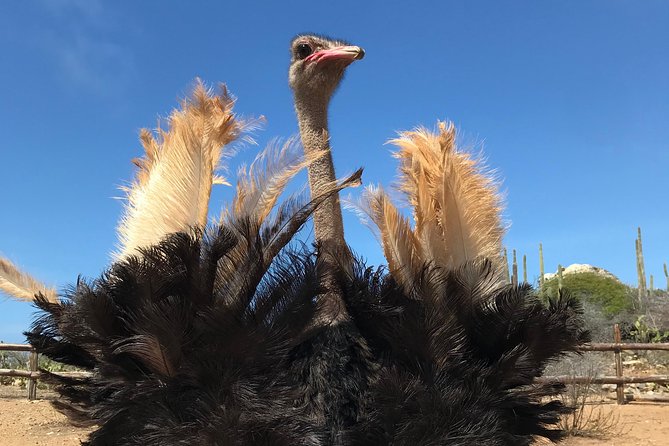
- A small group experience: capped at 25 travelers
- Adult birds plus the next generation: incubator, hatchery, and pens for young ostriches and emus
- Included lunch at the on-site restaurant: home-cooked style with a local drink option
- Time to feed and interact: many people go for the hands-on bird time
- A fun add-on stop: an on-site art shop with goods from Zimbabwe and local crafts
What You Really Get for $38: Birds, Lunch, and a Real Farm Loop
At $38 per person, this is one of those island outings that feels like more than a quick photo stop. The big value is that you pay for a guided circuit through the farm, and you do not have to budget extra for lunch afterward. When you’re already paying for a ticket, getting food included makes the math much kinder, especially if you’re traveling with kids.
You also get more than ostrich viewing. The tour is built around the full life story: adult behavior (how ostriches and emus survive and feed), then the incubation and hatchery area, then the pens where younger birds are raised. That structure matters because it turns the visit into something you can actually explain later, instead of just a walk past a fence.
Finally, it is guided. That may sound basic, but it changes the whole experience. A good guide helps you notice things you’d otherwise miss, like how the birds’ behaviors connect to survival in the wild.
You can also read our reviews of more tours and experiences in Aruba
Arriving at Aruba Ostrich Farm: Plan for Your Own Ride
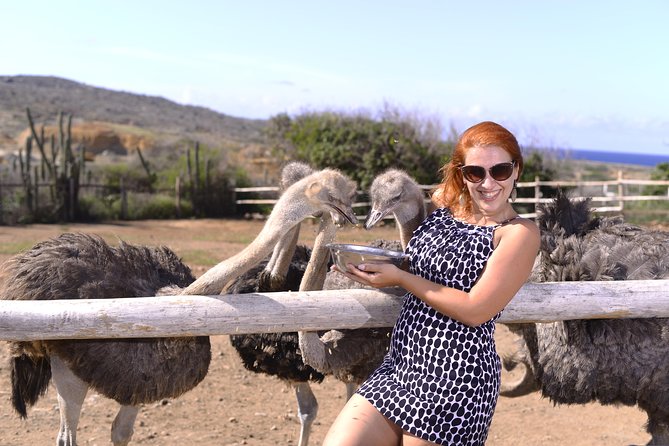
The farm is a short drive from Oranjestad, and in practice you can expect it to be around 40 minutes from town. You’ll meet at Aruba Ostrich Farm, and the tour ends right back where it started.
Because private transportation is not included, I treat this as a do-it-with-a-taxi or rental car stop. If you are budgeting time and money, do not wait until the last minute to line up transport. It is the only part that can feel slightly inconvenient compared to tours that pick you up.
Good news: the experience is structured so you do not need to be glued to your phone for updates. Your ticket is mobile, and you’ll get confirmation at booking time.
The Guided Bird Walk: Speed, Defense, Feeding, and Close Encounters
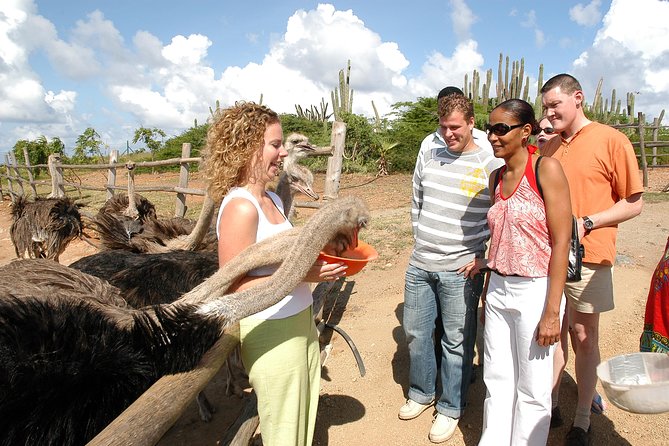
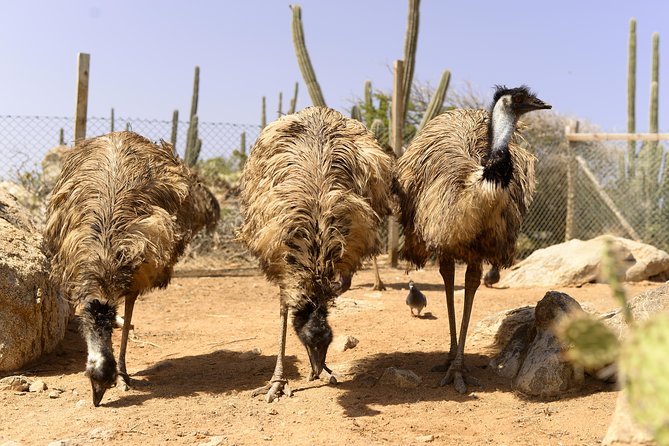
The core of the tour is a guided walk through the farm’s grounds, home to over 80 animals, including ostriches and emus. This is where you get the up-close part people talk about, including the chance to feed the birds. If you like animal encounters that feel interactive (not just a viewing deck), this is the section to be fully present for.
A key reason the tour works is that it tells you what you’re seeing. You learn about ostriches and their relatives, including how they behave and how they handle threats. The guide covers ostrich speed and the defense mechanisms ostriches use against predators, plus their mating, rearing, and feeding habits.
For me, that kind of explanation is what separates a roadside curiosity from a satisfying farm visit. You start connecting dots: why their movement looks the way it does, why certain behaviors pop up at specific moments, and why a flightless bird still has strong survival instincts.
If you are coming with kids, this is also where their attention is easiest to hold. Food, movement, and a guide who knows how to keep things light make a big difference. One guide name that stands out in the experience is Mara, noted as funny and informative.
Art Shop Time: A Practical Add-On If You Arrive Early

There’s an art shop on-site that’s worth a stop while you’re waiting for the next part of the experience or after the tour. It’s stocked with authentic goods from Zimbabwe, plus local art and craft.
This is the kind of detour that can save you from a last-minute shopping scramble in Oranjestad. It also makes the farm feel more like a destination than just a ticketed stop. If you like browsing small local makers, you’ll probably enjoy it.
Tip: if you want photos, do them while you still have energy. The bird interaction comes first, then you transition to the incubator and hatchery areas. People tend to move a bit faster during the later sections.
Incubator, Hatchery, and Young Pens: Where the Story Gets Real
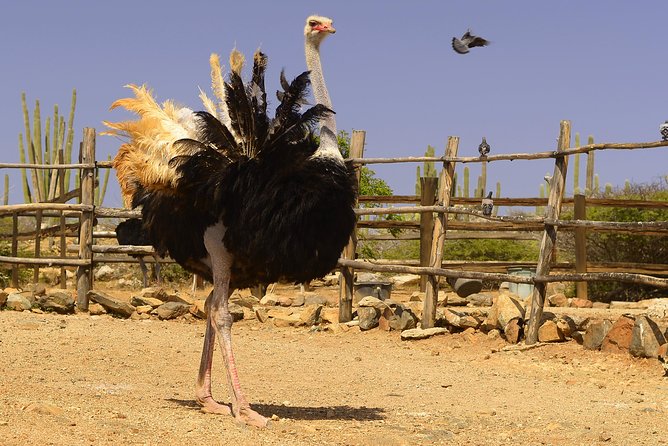
After the adult-bird portion, the tour shifts to the behind-the-scenes side. You’ll visit the incubator and hatchery areas, then see the special pens where younger ostriches and emus are kept.
This section is valuable because it adds context. Watching an adult bird is one thing, but seeing how the farm supports the life cycle is what makes the experience feel more complete. You get to connect the earlier discussion on mating and rearing to what is actually happening on the farm.
You’re also likely to spot additional animals that add variety to the visit. People have noted seeing turtles, and even baby peacocks, which makes this stop feel like a small ecosystem instead of a single-species show.
One more thing: these areas are a strong payoff for anyone traveling with children. Kids love the idea of babies, and they often remember the hatchery pens long after the feeding part fades from memory.





Lunch at the On-Site Restaurant: Home-Cooked Style and Local Drinks
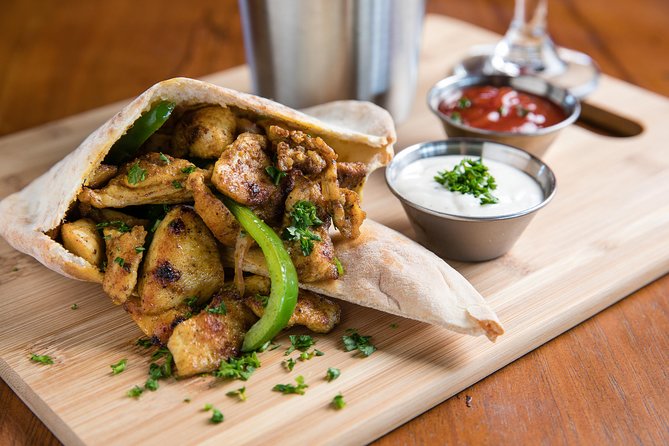
Lunch is included, and that’s one of the smartest parts of this tour’s setup. The meal is home-cooked and locally inspired, with ice-cold options for what to drink.
You can choose between a local beer, a soft drink, or a fruit smoothie. That means you’re covered whether you want something adult-friendly or a no-alcohol option for your group.
If you like to eat something specific and feel adventurous, ask what’s good that day. A popular note from people who went is that fried grouper and fries are worth considering. There’s also mention of shaved ice on-site, so if you’re the type who wants a sweet finish, keep it in mind.
If you’re planning your day: since lunch is part of the experience, you do not need to squeeze in a separate restaurant stop right after. That can reduce stress, especially in heat.
Who This Tour Fits Best (and Who Might Feel Restless)
This is a great fit for families, mainly because it’s hands-on and the farm setting keeps kids engaged. The encounter with feeding, plus the incubator and young pens, gives the day a natural rhythm kids can follow.
It also fits couples or solo travelers who want a short, organized activity that feels different from typical beach time. The small group size helps. With a maximum of 25 travelers, you’re not stuck in a massive crowd where the guide cannot answer questions.
You might want to think twice if you dislike tours that require you to manage transport on your own. Also consider whether you prefer a lighter schedule. The tour lasts about 1.5 hours, give or take, so it’s not the kind of half-day excursion that you can stretch into a full day.
Kids and Families: On-Site Tickets for Ages 3–7
If you’re traveling with children, the farm makes things relatively easy. Tickets for children ages 3–7 are available for purchase on-site, and no reservation is required.
That said, I recommend having a rough plan before you arrive. Even with on-site purchasing, you’ll move through the schedule, and you want everyone accounted for without last-minute stress.
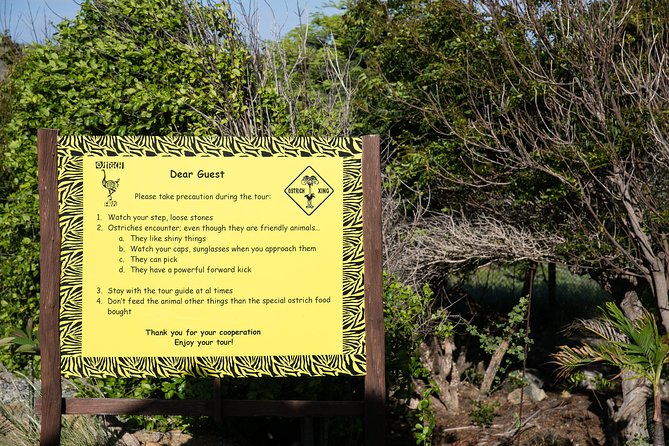
Also remember: part of the fun is interaction, so bring closed-toe shoes and a mindset for a slightly messy, playful animal encounter. Nothing fancy is required, but you’ll be happier if you’re ready for farm energy.
Timing, Group Size, and the Weather Reality Check
The experience is scheduled for about 1 to 2 hours. That range matters because it affects how you build the rest of your itinerary. If you’re bouncing between beaches and sightseeing, this is usually a manageable block.
Group size is capped at 25 travelers, which is a big deal on a farm. Smaller groups typically mean the guide can keep everyone moving and answer questions without rushing.
One more practical point: the farm experience requires good weather. If conditions are poor, you may be offered a different date or a full refund. In other words, do not book it as the only activity you can do that day without any backup plan.
Should You Book the Aruba Ostrich Farm Tour with Lunch?
I think you should book this if you want a short, family-friendly farm visit that mixes up-close animal encounters with meaningful context. The value is strong because lunch is included, and the tour covers both adult behavior and what happens with young birds.
I’d skip it or adjust expectations if you want a pickup-from-hotel tour, since private transportation is not part of the package. And if your travel plans are very rigid, build in a little weather flexibility.
If your ideal Aruba day includes meeting animals up close, learning why they behave the way they do, and getting a solid meal without extra planning, this is an easy yes.
FAQ
How long is the Aruba Ostrich Farm tour?
The tour runs about 1 to 2 hours (approximately).
What does the price include?
The $38 per person ticket includes the guided tour and lunch at the on-site restaurant.
Is lunch included, and what’s included with it?
Yes. Lunch includes home-cooked locally inspired meals plus an ice-cold local beer, soft drink, or fruit smoothie.
Do I need to arrange transportation to the farm?
Yes. Private transportation is not included, so you’ll need your own plan such as a taxi or rental vehicle.
Where does the tour start and end?
It starts at Aruba Ostrich Farm, Aruba, and ends back at the same meeting point.
What animals will I see on the tour?
You’ll meet ostriches and emus, and the tour also includes a visit to the incubator, hatchery, and pens for young ostriches and emus. Some people also note other animals like turtles and baby peacocks.
Is the ticket mobile?
Yes, it’s listed as a mobile ticket.
Are children’s tickets available?
Yes. Ostrich tour tickets for children ages 3–7 can be purchased on-site. No reservation is needed.
Is this tour dependent on weather?
Yes. It requires good weather, and if canceled due to poor weather you’ll be offered a different date or a full refund.