REVIEW · ARUBA
Caribbean Cooking Class in Aruba
Book on Viator →Operated by Kari Heron · Bookable on Viator
Cook Caribbean food like family.
This is a small-group class (max 10) where you don’t just watch—you cook in a real home in Noord, Aruba, with music on and Caribbean food stories in the mix. I especially like the feeling of getting insider access to everyday life, not a staged restaurant show.
I also like that you start with mocktails and get everything you need to cook. You’ll gather around the kitchen island, learn the menu of the day, then help with prep and cooking before you all sit down to eat together.
One thing to weigh: this is not a nut-free house, so if you have a serious allergy, plan to talk details directly with the chef and be extra cautious.
In This Review
- Key Highlights You’ll Actually Notice
- Caribbean Cooking in Chef Kari’s Noord Home: What Makes It Different
- Finding Chef Kari: Noord Meeting Point Tips That Save Time
- The 2.5-Hour Flow: From Mocktail Welcome to Family-Style Dinner
- 1) Arrival: Mocktail, music, and an easy welcome
- 2) Kitchen introduction: food history and the menu of the day
- 3) Hands-on cooking: assigned tasks and real participation
- 4) Cooking finishes, then you all sit and eat
- What You Might Cook: Caribbean Flavors You Can Recreate at Home
- Family-Style Dining: The Part That Feels Like Culture, Not Performance
- Dietary Needs and Keto Requests: How to Make Sure You’re Safe
- Price and Value in Aruba: What You’re Really Paying For
- The Music Factor: When Your Expectations Matter
- Tips to Get the Most Out of the Evening
- Who Should Book This Cooking Class in Aruba?
- Should You Book? My Decision Guide
- FAQ
- How many people are in the class?
- What’s included in the price?
- Is it possible to accommodate allergies or dietary restrictions?
- Is the home nut-free?
- How long does the experience last?
- Where do we meet in Aruba?
- What happens if the weather is bad?
- You’ll Do Fine If You Go In With the Right Mindset
Key Highlights You’ll Actually Notice
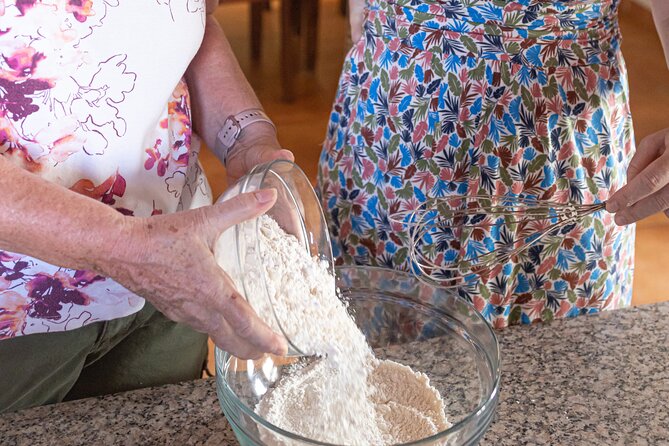
- A private-home setting where the kitchen island becomes the classroom
- Max 10 people, so you’re likely to get real interaction, not just background noise
- Mocktails and ingredients included, meaning you can focus on cooking instead of budgeting for extras
- Hands-on prep and cooking, with tasks assigned so you’re never just waiting
- Dietary options possible, including keto if you request it when booking
- Family-style dinner at the end, so you eat the results right away
Caribbean Cooking in Chef Kari’s Noord Home: What Makes It Different
There’s cooking classes, and then there’s cooking in someone’s house. This one is the second kind, and that changes the whole vibe.
You start the evening at Chef Kari’s home in Noord—Chef and Steward, Noord Bona Vista 36—and it’s set up to feel warm and personal. The group stays small (up to 10), which matters because you’ll be doing real work: chopping, seasoning, stirring, and cooking alongside your host. In a large tour group, you’d be stuck waiting your turn. Here, the pace is meant for you to participate.
Two things I found especially compelling from the way people describe the experience. First: you’re not only learning techniques, you’re getting the background of Caribbean food, with a focus on islands like Jamaica and Aruba. Second: the meal is the payoff. You cook, you eat, you talk. No awkward “tour ends, goodbye” feeling.
You can also read our reviews of more tours and experiences in Aruba.



Finding Chef Kari: Noord Meeting Point Tips That Save Time
You’ll meet at Chef and StewardNoord Bona Vista 36 in Noord. That sounds simple, but some people have had map issues. Practical move: use a map app that matches the address well. One helpful tip that comes up is to copy the address exactly and use Apple Maps; some people said Google Maps or Waze had more trouble finding the right spot.
If you’re arriving by taxi, plan for a quick check-in so the driver knows you’re going to the home meeting point. And once you’re there, don’t overthink it—this class is structured around gathering at the house, not wandering to multiple stops.
The 2.5-Hour Flow: From Mocktail Welcome to Family-Style Dinner
This experience runs about 2 hours 30 minutes, and it moves in a way that feels like hosting, not instruction-only.
1) Arrival: Mocktail, music, and an easy welcome
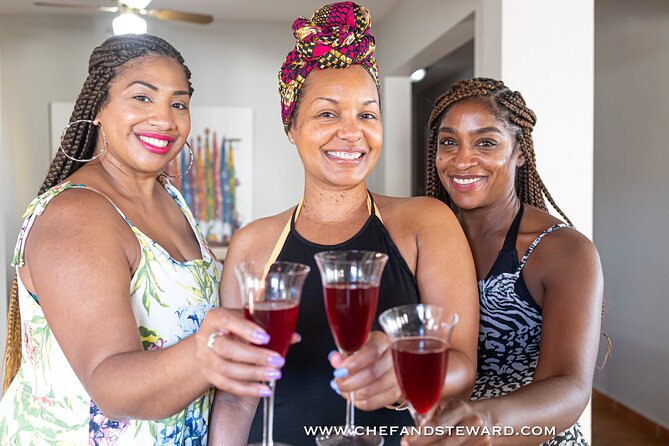
When you arrive, you’ll be greeted with a refreshing mocktail and the sound of Caribbean music. That matters because it sets the tone immediately: you’re settling into someone’s home rhythm, not waiting for a formal briefing.
2) Kitchen introduction: food history and the menu of the day
Next, you gather around the kitchen island. Chef Kari introduces herself, shares a brief history of Caribbean foods (including Jamaica and Aruba), and goes over the menu of the day. This part is more than small talk. It helps you understand why the flavors work together—spices, marinades, and cooking methods that reflect island life.
You can also read our reviews of more tours and experiences in Aruba

3) Hands-on cooking: assigned tasks and real participation
Then the group shifts into action. You’ll be assigned different tasks, which keeps the class moving and makes it hands-on in a genuine way. People describe dancing, chatting, laughing, and generally having fun while the food comes together. It’s not silent, technique-lab energy. It’s lively.
4) Cooking finishes, then you all sit and eat
Once the food is ready, you stop cooking and start eating as a group. This is a key difference from many classes where you “taste” small portions and leave hungry. Here, it’s built for you to sit down and enjoy your meal together.
What You Might Cook: Caribbean Flavors You Can Recreate at Home
The exact menu can vary, but the dishes people mention give you a clear sense of what kind of Caribbean cooking you’ll experience—spice-forward, island sides, and comforting mains.
From past menus, people have cooked items like:
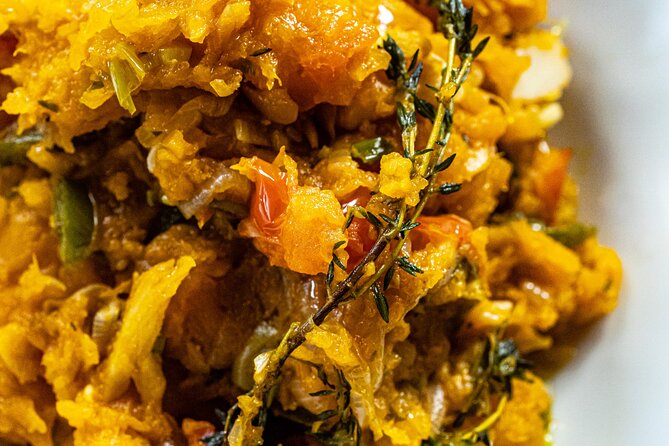
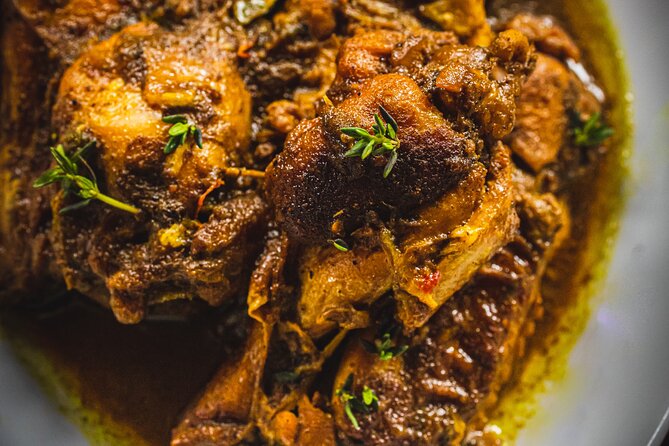
- Jerk chicken wings (and other jerk-style flavors)
- Fried plantains
- Green plantains with tomato salsa
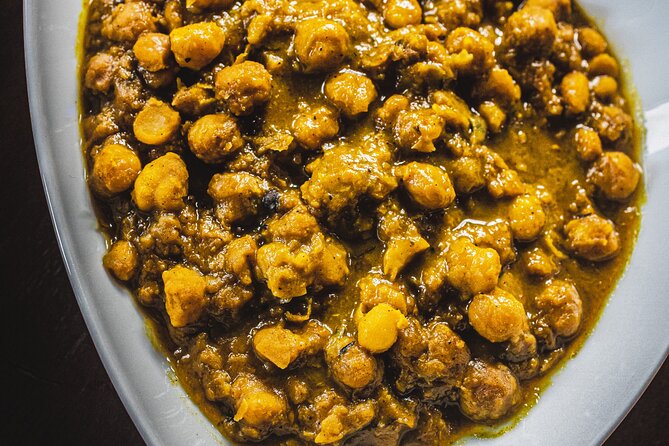
- Curried chickpeas
- A pumpkin side dish
- Caribbean chicken
- Curried or spiced rice concepts (including one mention of a coconut rice recipe)
- Drinks like a ginger tamarind style beverage
- Sides that include amaranth in smashed potatoes (in one menu)
What I like about menus like these is that they teach a mix of skills. You’re not only learning how to season. You’re also learning how to handle textures—crispy plantains, hearty legumes, and sauces that cling to food. When you cook multiple dishes, you can map out how each one contributes to the overall plate.
If you’re thinking about your own cooking back home, this matters. The class isn’t just a meal—it’s a flavor toolkit you can use later.
Family-Style Dining: The Part That Feels Like Culture, Not Performance
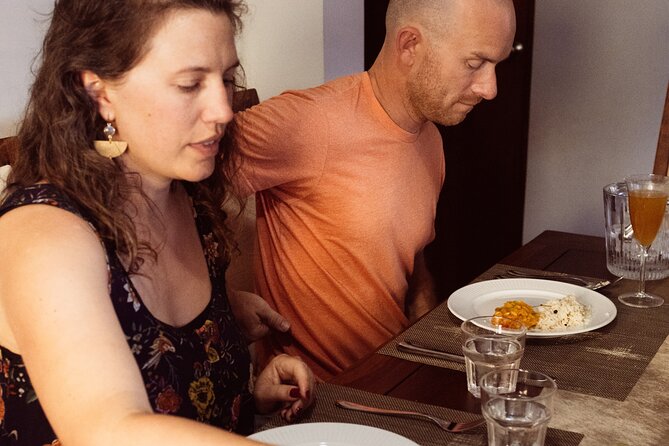
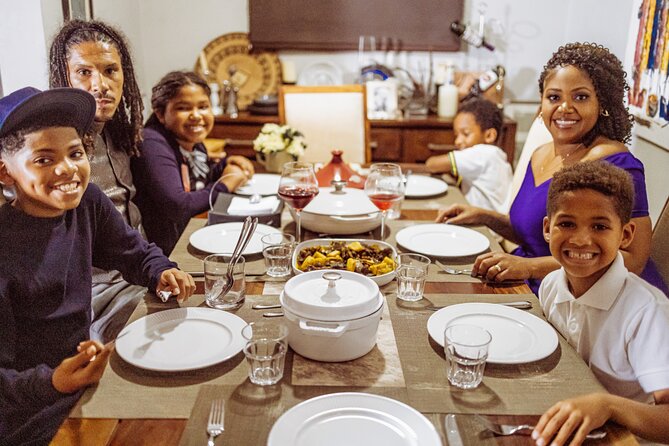
After the cooking, you eat family-style. That means you’re not lined up like customers waiting for plates. You sit together, and the meal is shared in a more communal way.
People repeatedly describe the experience as feeling like being welcomed into the home like family—chatting with your host and other participants, sharing stories, and eating at the table together. Even better, because the group stays small, you’re more likely to have conversations than to just hear music in the background.
One practical note: this takes place in a home, so the environment is intimate. In one case, a reviewer mentioned a child being present and the timing wasn’t perfect for them. If you’re sensitive to that kind of reality (because it is still a private household), consider it as part of the “home experience” package.
Dietary Needs and Keto Requests: How to Make Sure You’re Safe
This class can accommodate dietary restrictions, and the important step is simple: tell the chef about allergies or dietary needs.
The data you should pay attention to:
- Chef Kari asks you to let them know about allergies and dietary restrictions.
- There’s an explicit note that the house is not nut-free.
- You can request Caribbean keto dishes when booking.
So here’s the practical approach I’d use if I had food constraints:
- Send your allergy and dietary details clearly when you book.
- If your allergy is severe, treat this as a “talk to the chef” situation, not a “check a box and forget it” situation.
- If you want keto, request it ahead of time so the menu can be planned.
Also, people describe the class as flexible for different preferences, including meat and vegetarian options. But your specific outcome depends on what’s on the menu of the day—so communicate what you need early.
Price and Value in Aruba: What You’re Really Paying For
At $250 per person, this isn’t a budget activity. The value comes from what that price includes and how you spend the time.
For your money, you typically get:
- Access to a home cooking experience in Noord
- A hands-on class with tasks assigned, not just viewing
- Mocktails and the ingredients to cook your meal
- A full sitting-down family-style dinner
A big reason this feels like good value to many people is the format. In a typical restaurant meal, you pay for food only. Here, you pay for the food plus the instruction plus the experience of cooking together. And the group size (max 10) helps, because it keeps the class from feeling rushed.
Is it expensive? Yes. Is it “fair” if you want an authentic, interactive evening rather than another tour bus stop? For the right traveler, it can be worth it.
One additional reality check: menus can vary, and in one less-satisfied review, the person felt the plate choices were minimal and wanted more structure like dessert or printed recipes. That tells you this is not a polished banquet production. It’s a home cooking evening.
The Music Factor: When Your Expectations Matter
The class includes Caribbean music, and that’s part of the atmosphere. But there’s one caution worth mentioning: in one review, the dinner music was described as religious talk, which didn’t match their expectations.
That’s not rare in Caribbean culture. Many people grow up with music tied to faith and community. But it can still affect your comfort if you want a more neutral playlist.
If music type is a dealbreaker for you, consider this: you’re going into a home environment with the host’s vibe as the baseline. You can’t expect a silent, high-end restaurant soundtrack.
Tips to Get the Most Out of the Evening
Here are a few ways to make this class feel smooth and worth repeating:
- Come hungry and ready to work. You’ll be assigned tasks, and the meal is the point.
- Ask about spice levels if you’re cautious. People mention tasting spices and learning aromas as part of the process.
- Take notes on what you like. Recipes are shared as links/resources, but your best “keep” is remembering what you want to recreate.
- Use the address carefully if maps confuse your route. Copy the exact meeting address into your navigation app.
- Plan for conversation. Many reviews describe storytelling, laughter, and a social pace.
Who Should Book This Cooking Class in Aruba?
This is a strong pick if you want:
- A small-group experience where you interact with the host and others
- A hands-on class instead of a watch-and-taste style tour
- A home-based evening that feels like local culture, not staged entertainment
- Food travelers who like learning how Caribbean flavors are built
It’s especially good for couples or small friend groups who want a more personal night. People have also done it as multi-generational travel with family members, because the environment is social and the meal ends the session naturally.
If you’re looking for a quiet, formal, hotel-style experience with printed recipe cards and guaranteed dessert, this may not match your expectations.
Should You Book? My Decision Guide
Book this class if you want an authentic Aruba evening that feels personal: you’ll cook, eat, and get a real sense of Caribbean food culture in a private home setting. The small-group limit, the hands-on cooking, and the fact that the meal is shared family-style are exactly the parts that make it memorable.
Skip or approach with caution if:
- You have a serious nut allergy and need a nut-free environment
- You prefer a very quiet dinner atmosphere with no faith-themed audio
- You expect a polished, restaurant-style production with guaranteed dessert and printed handouts
If your idea of a great night is learning spices, cooking with others, and then enjoying the results together at the table, this is a very compelling way to spend time in Aruba.
FAQ
How many people are in the class?
The class has a maximum of 10 travelers, which keeps it intimate and hands-on.
What’s included in the price?
You’ll get mocktails, the ingredients for the dishes, hands-on cooking instruction, and a family-style meal at the end.
Is it possible to accommodate allergies or dietary restrictions?
Yes. You should let the chef know about allergies or dietary restrictions when booking. Options are available for different dietary needs, including keto if requested.
Is the home nut-free?
No. The house is not nut-free, so if you have a nut allergy, you’ll need extra caution and direct communication with the host.
How long does the experience last?
It lasts about 2 hours 30 minutes.
Where do we meet in Aruba?
You meet at Chef and Steward, Noord Bona Vista 36, Noord, Aruba.
What happens if the weather is bad?
If it’s canceled due to poor weather, you’ll be offered a different date or a full refund.
You’ll Do Fine If You Go In With the Right Mindset
This class is built for participation and connection. If you’re okay with a home setting, lively conversation, and real cooking work, you’ll likely leave with both recipes to try and a new appreciation for Caribbean flavors.