REVIEW · ORANJESTAD
Private snorkel with 2 stops in Aruba – Eco-friendly!
Book on Viator →Operated by Fins & Feet Nature Tours · Bookable on Viator
Aruba’s sea life is right offshore. This private eco-friendly snorkel tour pairs shore entry with a two-stop route so you get better access to turtles and coral without the noise of a motorboat. I especially like how the guide teaches you as you go, then keeps the experience calm and personal for your group.
Two things I really like: the private guide (you’re not squeezed into a big herd) and the practical extras—reef-safe mineral sunscreen, towels, cold water in reusable containers, and underwater photos. One thing to consider: it runs only when weather is good, so you’ll want to stay flexible if conditions change.
In This Review
- Why This Private Aruba Snorkel Feels Different
- Key points to know before you go
- Oranjestad Start: Pickup, Timing, and What 3 Hours Looks Like
- Private Snorkel Tour Value: What You Pay For
- Two-Stop Shore Route: How the Sites Work Together
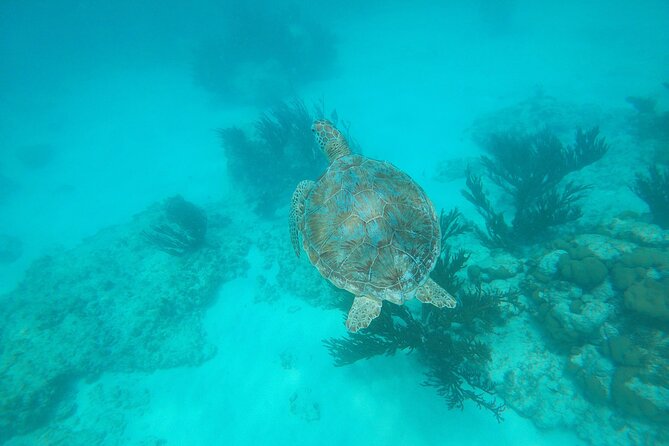
- Stop 1: Turtle-focused snorkeling off the shore
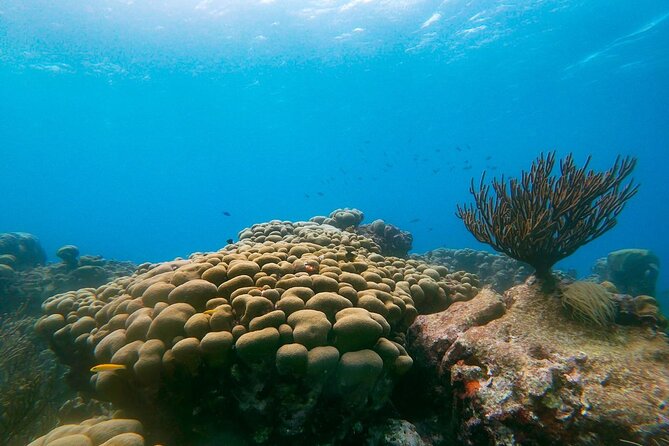
- Stop 2: Coral reef time with more fish
- Why No Boat Matters: Quieter Water, Less Stress for Wildlife
- Gear, Comfort, and Getting the Most Out of the Water
- What the Guide Actually Does In the Water
- Stop Selection and Weather: How They Keep It Fair for Your Group
- Price, Photo Value, and the Snorkeling-Skill Question
- Who Should Book This (And Who Might Want a Different Plan)
- Bottom Line: Should You Book This Private Aruba Shore Snorkel?
- FAQ
- How long is the private snorkeling tour in Aruba?
- Is this a boat snorkel tour?
- How many snorkeling stops are included?
- What’s included in the price?
- Do I need to send anything after booking?
- What if the weather is bad?
Why This Private Aruba Snorkel Feels Different
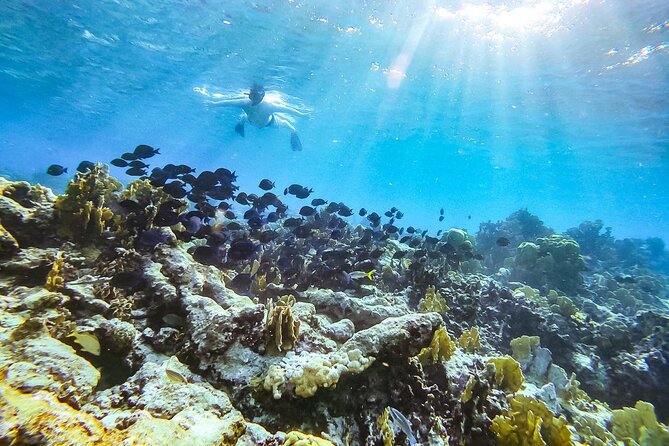
This is one of those Aruba activities that doesn’t treat the ocean like a backdrop. Instead, you’re learning the local ecosystem and snorkeling technique while you’re actually in the water, which makes the whole outing feel more like a guided nature walk than a quick photo stop. Guides I’ve seen mentioned by name include Rob (owner/guide) and guides like Monica, Christina, Cristina, and Kristina. Expect patience—especially if you’re coming back after a long gap or if someone in your group is new to snorkeling.
The other big difference is the “no boat” approach. You enter from shore at chosen sites, which means quieter water and less disturbance to marine life. It also tends to put you in places with more fish and coral activity, instead of only where crowds and boat traffic are.
Key points to know before you go
- Two shore snorkeling stops timed around your group and conditions
- No boat operation to reduce noise and disturbance to marine life
- Sea turtle spotting focus, with shore entry designed to improve chances
- Reef-safe mineral sunscreen plus towels, fruit snacks, and cold drinking water
- Underwater photos taken during the tour, shared after snorkeling
You can also read our reviews of more private tours in Oranjestad


Oranjestad Start: Pickup, Timing, and What 3 Hours Looks Like
Most tours here begin with a long wait or a rushed scramble. This one starts in Oranjestad around 2:30 pm and runs about 3 hours. That afternoon timing can work well if you’re doing beaches earlier in the day or if you want your snorkeling before dinner.
If pickup is offered for your reservation, the day becomes easier: you don’t need to figure out parking, transport, and timing for multiple stops. Once you’re with your guide, the pace usually follows your comfort level. A lot of the best moments come from slowing down—getting your breathing right, getting used to the mask, and learning how to look around instead of panicking the second you hit the water.
One smart detail: they ask for shoe sizes after booking so they bring the right fins. That’s not “extra service” fluff. Fins change everything—especially for beginners—because the fit affects comfort and control.
Private Snorkel Tour Value: What You Pay For
At $148.73 per person, you’re not just buying a swim. You’re paying for a private guide, two separate snorkeling sites, and the gear and comfort package that keeps the experience smooth.
Here’s what you’re getting for the money:
- Private instruction instead of watching others and guessing what to do
- Time at two sites, rather than one quick stop
- Professional snorkel gear (new/clean is mentioned in reviews)
- Reef-safe sunscreen, towels, and snacks so you’re not scrambling
- Underwater photos so you don’t have to master a camera or phone in the water
To be fair, private snorkel tours cost more than the big-group options. The question is whether you’ll use that added attention. If anyone in your group is a beginner, if you want more turtle/coral time, or if you dislike being herded, this price starts to feel like good value.
Two-Stop Shore Route: How the Sites Work Together
The route is chosen based on your snorkeling level and the weather. That means you don’t have to worry about ending up at a site that’s too rough for your group. In many outings, guides aim for a turtle-friendly entry first, then shift to a reef with lots of fish and coral.
You might snorkel spots like Tres Trapi for turtles and Boca Catalina for reef snorkeling. Even if the exact locations shift, the pattern is usually the same: one stop focused on sea life you’re hoping to see, and one stop focused on coral and fish variety.
Stop 1: Turtle-focused snorkeling off the shore
The first site is where you’ll spend time looking for turtles and learning how to scan the water. Since you’re entering from shore, you often start in calmer, more accessible areas rather than fighting currents right away.
A consistent theme in guides’ approach is teaching you how to stay relaxed in the water. People who are new often think snorkeling is hard. The guide’s job is to make it feel simple: breathing, mask comfort, and how to move without kicking up sand or crashing into other snorkelers.


Stop 2: Coral reef time with more fish
The second stop tends to be about reef structure—more coral, more fish, and more variety. It’s also a good moment to practice what you learned in stop 1. Once you’re comfortable, you can spend more time looking sideways at reef life instead of watching your own gear.
In descriptions, you’ll see mentions of excellent coral and lots of tropical fish. One review also mentions seeing an octopus, and another mentions a moray eel—proof that reefs can be full of surprises even when you think you know what to expect.
Why No Boat Matters: Quieter Water, Less Stress for Wildlife
Most snorkel trips in Aruba involve a boat. This one doesn’t. That’s not just an eco badge. The tour explains that boat engines are loud and can disturb—or potentially damage—marine life, and that shore access lets you reach spots that are rarely visited.
What that means for you in plain terms:
- Less noise and churn can mean calmer water for you too.
- You’re more likely to encounter fish and coral activity that you miss when crowds and boats push things around.
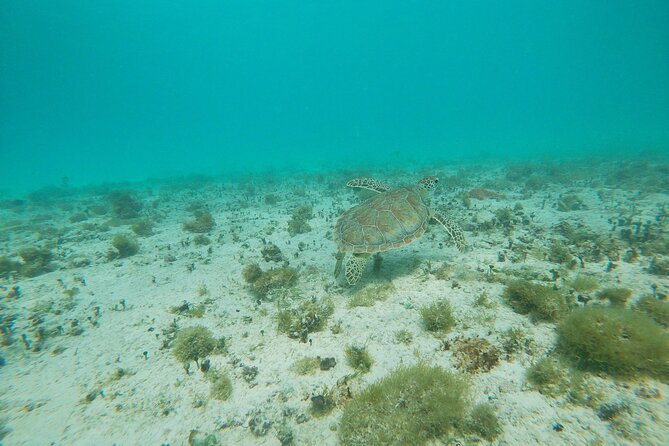
- Their own track record is strong: they report seeing at least 1 to 20 turtles on every trip since 2019. You still can’t promise turtles every single time, but they’re not treating turtles like a lucky lottery.
If you’re the type who hates feeling like a passenger on someone else’s schedule, you’ll probably appreciate this more than you’d expect.
Gear, Comfort, and Getting the Most Out of the Water
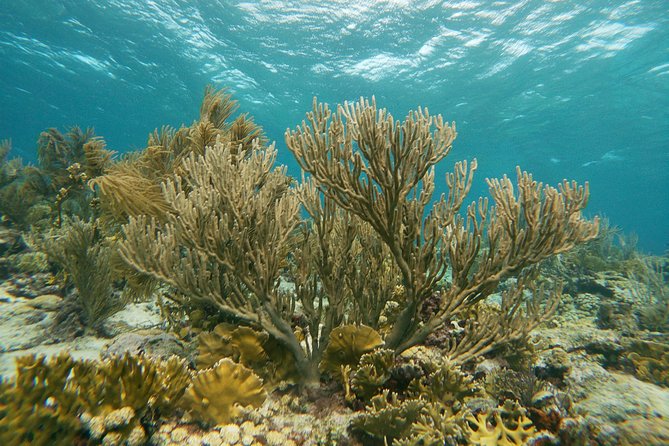
This tour includes snorkeling equipment, towels, reef-safe mineral sunscreen, and cold drinking water in reusable containers. You also get fresh fruit snacks before or after your swim, which helps if you’re planning this as your big activity of the afternoon.
A couple practical points that show up again and again in feedback:
- Guides make mask and breathing feel manageable for beginners.
- They’re patient with mixed skill levels, including groups with kids.
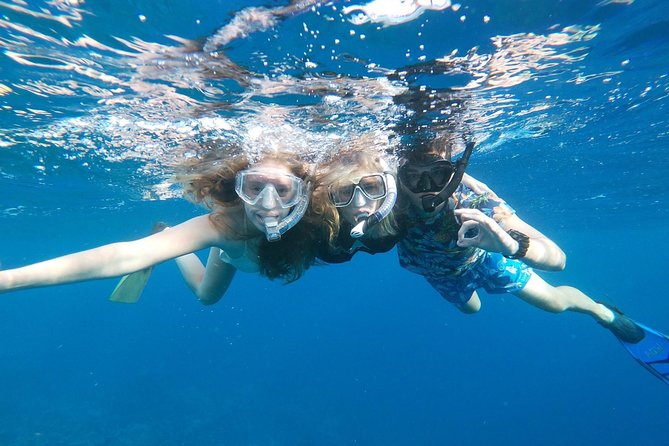
- They take underwater photos so you’re not juggling a phone while you’re trying not to swallow ocean.
If you want to get even more out of the experience, bring the same mindset you’d use for a great hike: slow down and look. Turtle spotting isn’t only about luck. It’s about staying relaxed, moving slowly, and giving the guide time to point out what’s happening under your mask.
One extra detail from reviews: some guides show people how to use a motorized dive scooter. That’s not the core of the tour description, but if it’s part of your outing, it can help you cover a little more water without exhausting yourself.
What the Guide Actually Does In the Water
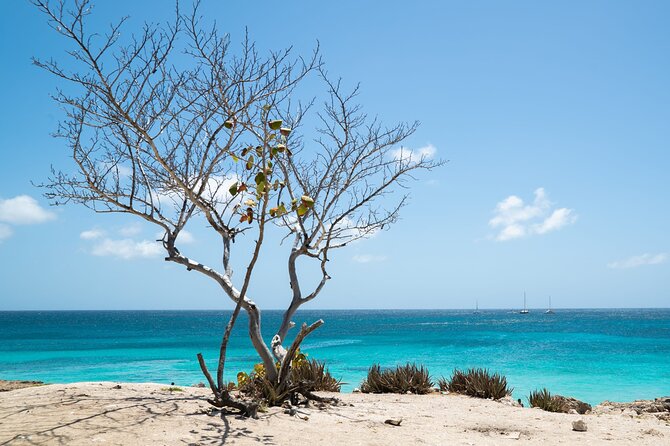
This isn’t a sit-and-watch kind of tour. The guide’s work is part safety, part teaching, and part marine-life interpretation.
You can expect:
- Clear instructions before entering the water
- Comfort checks so you’re not learning the hard way
- Help with snorkeling technique, including how to float and move more smoothly
- Pointing out sea life as you go, so you’re not just swimming through it blind
Different guides are mentioned by name in reviews—Rob and Monica are recurring standouts—but the consistent style is the same: friendly, respectful, and focused on your comfort. A lot of people say this was the highlight of their Aruba trip, mostly because the experience feels personal and organized rather than chaotic.
Stop Selection and Weather: How They Keep It Fair for Your Group
The tour doesn’t run on autopilot. Snorkel locations are selected based on your snorkeling skill and weather conditions. The timing and site choice are what help keep the trip enjoyable for everyone, including families with beginners.
They also note that the experience requires good weather. If poor weather cancels it, you’ll be offered another date or a full refund. So if your Aruba schedule has one flexible slot, this is a strong candidate.
Moderate physical fitness is the expectation. You’re swimming and moving in water, but the key is comfort and good technique. If you or someone in your group struggles with waves or water confidence, tell the guide—this is exactly the kind of situation where patient coaching matters.
Price, Photo Value, and the Snorkeling-Skill Question
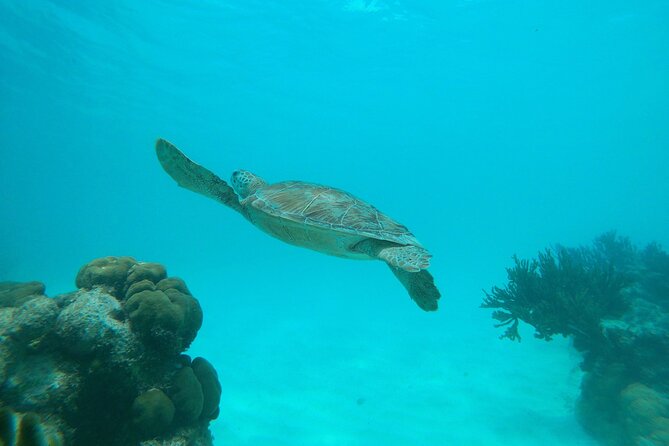
The real pricing question isn’t $148.73. It’s what that buys you compared to other snorkeling formats you might consider.
Here, your money supports:
- Two separate snorkel entries
- A private guide who adapts to your group
- Shore access designed to improve wildlife encounters
- Extra comfort items, not just gear rental
- Underwater photos
For many people, the photo piece is surprisingly valuable. When you’re seeing turtles and coral, you want proof. Having the guide take pictures and share them right after means you can enjoy the moment without getting technical.
If your group includes mixed abilities—like one confident swimmer and one cautious beginner—this tour makes sense because the guide can adjust pacing and attention.
Who Should Book This (And Who Might Want a Different Plan)
Book this if:
- You want a quiet, eco-friendly snorkeling experience that avoids boat engines
- You care about sea turtle chances and not just generic coral
- You want private attention for beginners, kids, or mixed skill groups
- You like the idea of shore entry and learning technique instead of rushing
You might choose something else if:
- Your group is only comfortable snorkeling in very specific conditions you already know
- You dislike being outdoors in water for up to about 3 hours, even with breaks and coaching
In short: this works best when you want a guided, nature-first outing with real attention.
Bottom Line: Should You Book This Private Aruba Shore Snorkel?
If you’re choosing between a crowded boat-style snorkel and something more controlled and personal, this is the better fit. The biggest reasons are the two-stop format, the shore-entry approach designed to improve turtle encounters, and the hands-on guide coaching that makes snorkeling feel doable—even if it’s your first time.
I’d book it if your priority is sea turtles, coral, and a relaxed group experience rather than a long ride and a rushed swim. If weather is solid and you’re okay with a 2:30 pm start, this tour has the ingredients for a true Aruba highlight.
FAQ
How long is the private snorkeling tour in Aruba?
The tour lasts about 3 hours.
Is this a boat snorkel tour?
No. The experience does not operate by boat and instead uses shore entry.
How many snorkeling stops are included?
You’ll make 2 snorkel stops.
What’s included in the price?
Included are snacks (fresh fruit), snorkeling equipment, reef-safe mineral sunscreen, towels, a private guide, cold drinking water in reusable containers, and underwater pictures.
Do I need to send anything after booking?
Yes. After booking, you should send your shoe sizes so they can bring the right fins for your group.
What if the weather is bad?
The experience requires good weather. If it’s canceled due to poor weather, you’ll be offered a different date or a full refund.