REVIEW · ARUBA
Small Group Snorkeling at Mangel Halto Aruba
Book on Viator →Operated by Nautilus Dive Center Aruba · Bookable on Viator
Shipwreck snorkeling, minus the hassle. This small-group outing in Aruba’s Mangel Halto Reef sends you toward the Kappel shipwreck with everything handled for you.
I like the built-in planning: you meet at Ir. Luymesstraat 3 in Savaneta, use the dive center facilities, and get set up on-site instead of hunting for gear. I also like the way the crew runs the start of the trip, with clear safety guidance and an instructor-led rhythm for spotting reef fish like trumpetfish and parrotfish.
One big consideration: Aruba can be windy, and the reef swim can involve current and choppy water. If you’re a true beginner, or you get worn out fast, you’ll want to think hard about your comfort level.
In This Review
- Key points to know before you go
- Where the tour starts: the Savaneta meeting point and the dive-center handoff
- The gear and briefing that make snorkeling safer (and more fun)
- Mangel Halto Reef: what your 1 hour in the water is really like
- The Kappel shipwreck: the main event—and how to manage visibility surprises
- Small-group energy: staying close to guides like Carlos, Junior, and Juan
- What you’re paying for: $55 value when gear, transport, and instruction are included
- Who this snorkel tour fits (and who should think twice)
- Practical tips to make your day smoother in Aruba’s wind and current
- Should you book this small-group snorkeling at Mangel Halto?
- FAQ
- Where is the meeting point for Small Group Snorkeling at Mangel Halto?
- What time does the tour start?
- How long is the snorkeling experience?
- Is snorkeling gear provided?
- Is pickup available?
- What are the age limits?
- Does the tour depend on weather?
- FAQ
- How many people are in the group?
- Do you visit the Kappel shipwreck?
- Is there a place to rinse off after snorkeling?
- What fish and reef life might I see?
- What if the ocean is rough?
- What’s included in the price?
- What’s not included?
Key points to know before you go
- Small group (max 12) keeps the experience calmer and easier to manage in the water
- Gear + life support basics mean you don’t waste time figuring out masks and snorkels
- PADI dive center stop first for restroom/shower access, fitting, and signals before the reef
- Snorkel from shore for about 1 hour once you’re in the right spot
- Kappel shipwreck is the standout but visibility can vary with conditions
Where the tour starts: the Savaneta meeting point and the dive-center handoff
The day begins at Ir. Luymesstraat 3, Savaneta, Aruba, with a start time of 9:00 am. If you’re using rideshare or a taxi, this is one of those spots you’ll be happy you wrote down clearly, because the dive center can feel tucked into a more residential area. Give yourself a little cushion so you’re not rushing in flip-flops and hunting a building.
Once you arrive, you’re heading to Nautilus Dive Center Aruba for the main pre-water setup. This is where the tour earns its “easy” reputation. You don’t just show up to a beach and hope your gear works—you get organized first, with showers and restrooms available so you can rinse salt off and freshen up after.
If you’re going without your own transportation, there’s also a pickup option. Even when you do have a car, private transportation is part of the package, which helps remove a lot of day-of stress. Think of it as a low-effort way to get to the best snorkeling area without turning the trip into a logistics puzzle.
You can also read our reviews of more snorkeling tours in Aruba
The gear and briefing that make snorkeling safer (and more fun)
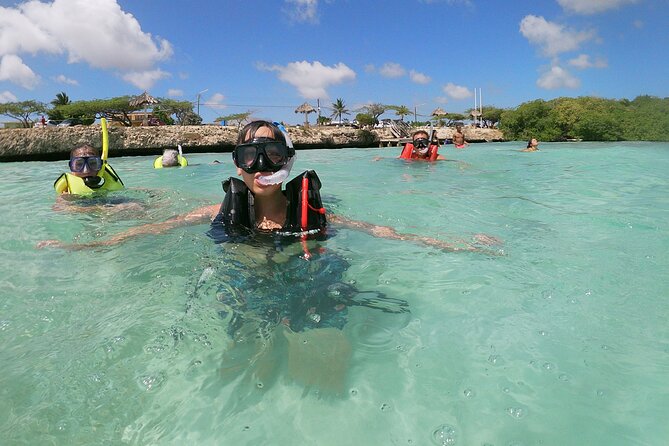
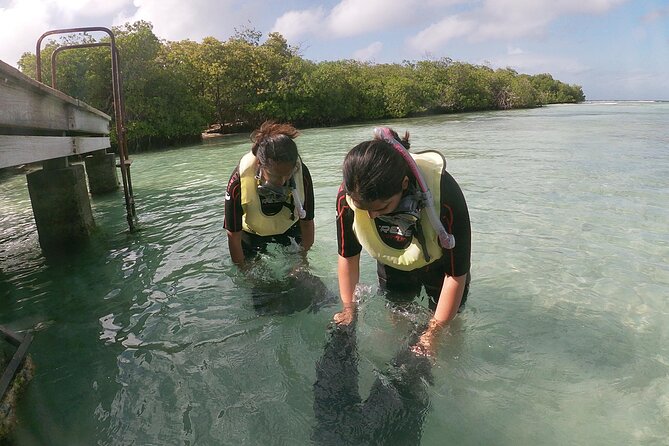
Before you’re in the water, you’ll get a proper gear routine: choosing and fitting snorkeling equipment, plus instruction on how to use it. The tour also includes a briefing on hand signals and what to look for in the reef area—fish, coral, and the “watch-outs” that matter when you’re floating with fins on.
This part is more important than it sounds. Snorkeling looks simple, but it’s still water time with currents, surface chop, and limited control once you’re out there. With signals and basic procedures covered up front, you’re not left guessing when something feels off.
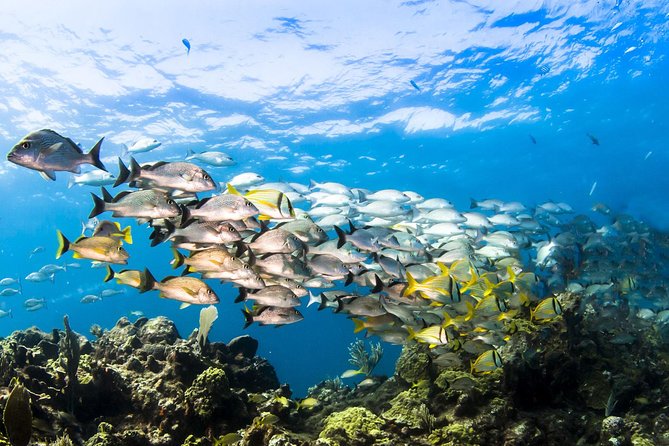
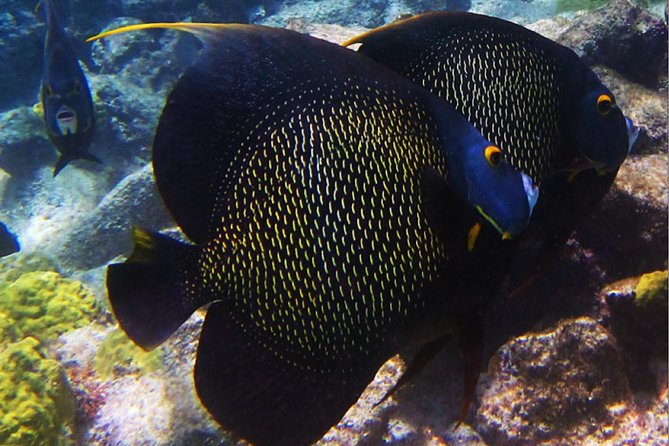
You’ll also get practical context on what you might see. People consistently point out spotting lots of fish, including trumpetfish and parrotfish. That’s exactly the kind of added value that turns a random swim into a real “I get it now” reef moment—because you’re not just looking at color, you’re looking for behavior and shape.
And yes, it can include a bit of waiting around for paperwork and waivers before the ocean time starts. On some days that process runs smoothly; on others, it can eat into how quickly you actually get in the water. So if your main goal is maximum minutes in the sea, plan for the fact that the first phase of the tour is gear + admin, not just beach time.
Mangel Halto Reef: what your 1 hour in the water is really like
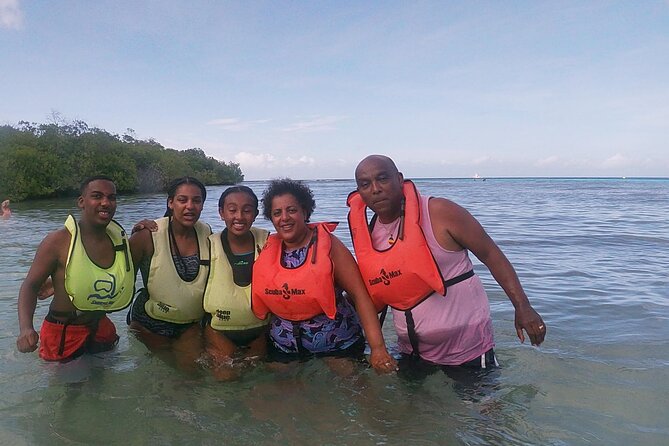
After the gear stop, you go to the reef area. The plan is to stay in the water for about 1 hour, then return to the dive center to finish up.
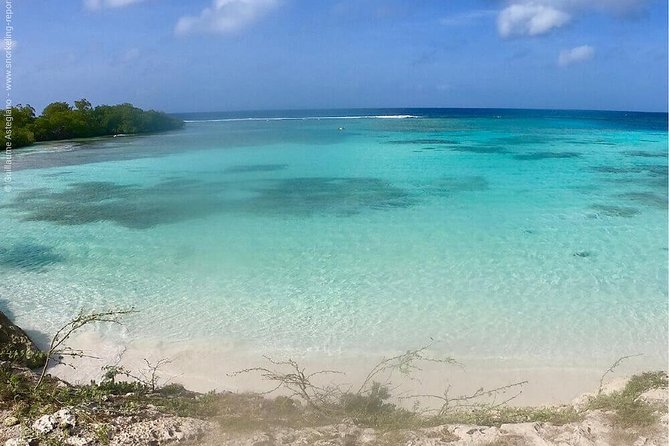
The snorkeling itself is described as shore-based. That’s great for convenience, but it still requires effort. You may need to swim and kick out to reach the reef, and at times you’ll deal with a current. Some snorkelers say the current can be stronger than they expected, and on breezy days the water can feel choppier than a calm day picture makes it look.
This is where the guide makes the difference. A good guide helps you pace your breathing, choose where to float, and avoid burning energy too early. When the conditions are right, it’s a relaxed swim with lots of fish life close by. When conditions are rough, it becomes more of a controlled work-out—less “float and pose,” more “stay balanced, follow the plan, and take breaks.”
If you’re prone to motion sickness, factor that in. Aruba wind and swell can affect how you feel on the surface. A life jacket or floatation support helps some people manage their comfort, but you still want to feel confident that you can handle the water movement without panicking.
The Kappel shipwreck: the main event—and how to manage visibility surprises
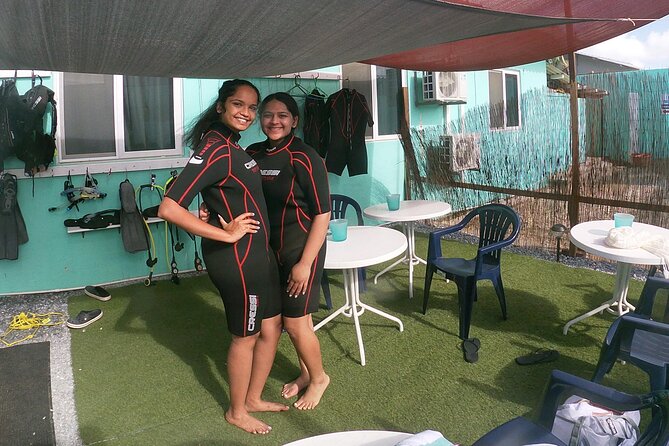
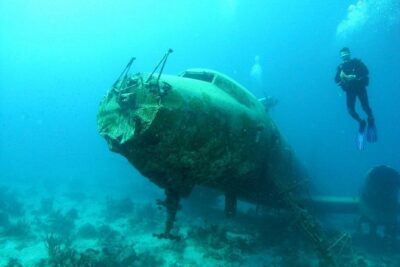
The Kappel shipwreck is the highlight, and it’s why this snorkel tour feels like a “real outing” rather than just repeating the same beach swim. You’ll snorkel the shipwreck as part of the reef time, with experienced instructors guiding the route.
Here’s the honest part: shipwreck visibility isn’t guaranteed. Reef and shipwreck snorkeling depends on water clarity and sea state. On murkier days, the wreck can be harder to make out even if the structure is there. One of the practical takeaways is to go in expecting nature’s mood swings. If you get clear water, it’s spectacular. If it’s cloudy, you may need to work slower and accept that you’ll see more “life around the wreck” than sharp details of the structure.
Also, currents and wave action affect how safely you can get close to the wreck area. On strong-condition days, guides may prioritize keeping everyone stable and together rather than rushing to reach a perfect view. That’s not a bad thing—it’s safety-first reality, especially with a mixed skill group.
If the shipwreck view is your top priority, try to book a day that has better weather forecasts. The tour also works with the idea that conditions matter, so when seas are rough, the plan can shift. Some days the reef portion may be shortened or adjusted based on what the ocean allows.
Small-group energy: staying close to guides like Carlos, Junior, and Juan
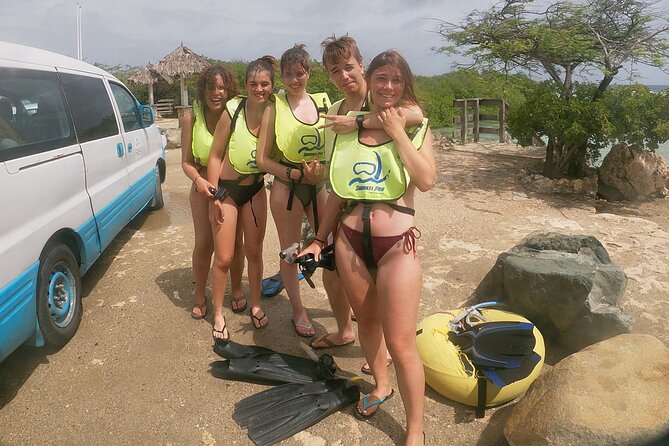
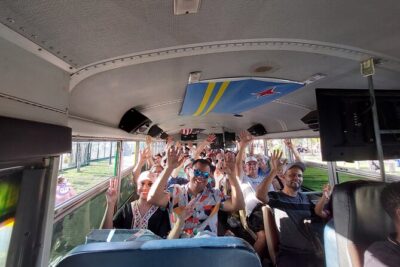
This is a small group tour with a maximum of 12 travelers, which changes the vibe fast. In a small group, guides can actually keep track of who’s doing okay. You’re less likely to get “lost” in a crowd, and more likely to get personal corrections on mask fit, hand signals, and pacing.
Different guides run the trip in their own style, but the consistent theme is safety and attentiveness. Guides including Carlos and Junior are named in the experience reports, and they’re described as patient, thorough, and focused on keeping snorkelers comfortable. Juan also shows up as a guide name tied to caring group checks and a calm, friendly tone.
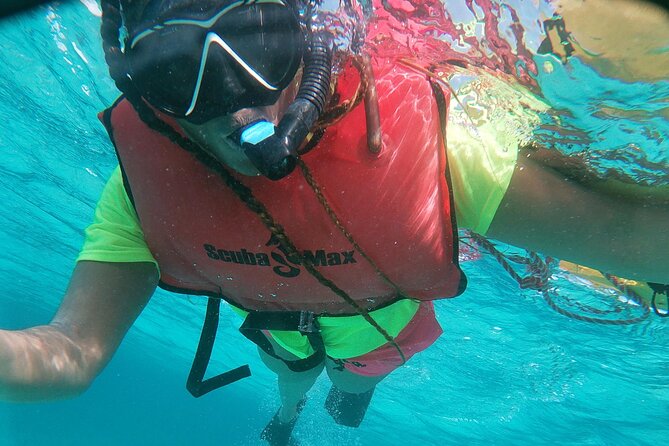
A small-group format can also work in your favor when you’re not the strongest swimmer. Some people mention using flotation support, like life jackets, and one report describes a guide towing a snorkeler when conditions demanded extra help. That kind of support makes the difference between enjoying the reef and feeling like you’re constantly fighting to stay afloat.
Just know that “small group” doesn’t mean “zero effort.” You’ll still be swimming out against current at times, and you’ll need to follow guidance so you don’t waste energy. If you want a guide literally beside you all the time, ask about how they position themselves in the water during the briefing. A good guide will be clear about what to do and when to stay put.




What you’re paying for: $55 value when gear, transport, and instruction are included
At $55 per person, this tour sits in the sweet spot for people who want organized reef time without spending big or doing everything solo. The key value isn’t just the snorkeling spot—it’s what’s bundled in so you can focus on being in the water.
You get snorkeling equipment included, plus private transportation. The day is also structured around an instruction-heavy start: gear fitting and signals, then a guided snorkel session. That’s why it often feels easier than DIY. If you’ve ever tried to rent gear and then figure out where to enter, how to reach the reef, and what to watch for, you know the hidden cost is mental effort.
Also, the price can look especially fair if you’re the kind of person who likes knowing what you’re seeing. The tour emphasizes identification and observation—fish, coral, and how to recognize what’s around you. That turns your time into a learning moment instead of just a swim.
Two realities to consider: first, the tour time includes pre-water logistics. Second, the ocean conditions can influence how much you see and how comfortable you feel. If you go into it expecting a calm, clear, effortless float, you might feel disappointed when the wind picks up. If you go in expecting a guided, active snorkel day in real reef conditions, the value often lands exactly where it should.
Who this snorkel tour fits (and who should think twice)
This tour welcomes both beginners and more experienced snorkelers, but the ocean doesn’t care about our skill levels. Aruba can be windy, and the reef swim can require real effort. So treat the “beginner-friendly” tag as a hope, not a promise.
Minimum age is 6 years old. It’s also noted as not suitable for people over 65. If you’re in either of those categories, you’ll want to look for a different option.
For everyone else, think about three practical questions before you book:
- Can you swim comfortably enough to reach the reef area and float without constant panic?
- How do you handle choppy surface water?
- Do you get tired quickly, or do you need breaks?
Some snorkelers say life jacket flotation support helps them enjoy the day more because it allows short resting periods. Others note the experience is not for novices when conditions are rough. Translation: if you’re water-shy, weak-kneed, or you’re easily knocked around, you might feel better choosing a calmer day and leaning on the flotation support your guide provides.
The best match is someone who wants a guided reef-and-shipwreck experience and is willing to put in a bit of effort to reach the snorkeling zone. It’s also a strong pick for couples and families who want structure and safety checks rather than a lone shoreline drift.
Practical tips to make your day smoother in Aruba’s wind and current
If you only remember a few things, make them these:
- Dress for humidity and wind. Aruba can feel hot and muggy fast, and you’ll be in and out of gear before the water.
- Plan to arrive with extra time. The dive center setup can feel like it’s in a residential area, so you don’t want to rush and miss the right spot.
- Bring a realistic attitude about timing. Some time goes to gear selection, fitting, and paperwork. You’ll still get your snorkel time, but it’s not instant.
- Listen hard during the hand-signal briefing. It’s what keeps a mixed-skill group moving safely together.
- If you get motion sick, consider preparing for surface chop. The reef is close, but wind can still affect how the ocean feels.
A small funny-but-true tip: set expectations for the shipwreck view. If water clarity is not perfect, you may see more wildlife and coral texture than sharp metal details. That can still be a great experience. Coral life doesn’t care if it’s the clearest day of your trip.
And finally, choose your day wisely. The experience is weather dependent, so when the sea looks rough, it may be adjusted or canceled. Build your Aruba schedule so you have options, not just one fixed day.
Should you book this small-group snorkeling at Mangel Halto?
Book it if you want organized snorkeling at a top Aruba reef area with a real story-focus: Mangel Halto Reef plus the Kappel shipwreck, led by guides who explain gear use, hand signals, and what you’re likely to see. The small group size, included equipment, and pickup/transport support make it a low-stress way to enjoy the water without turning your trip into a gear hunt.
I’d think twice (or choose another day) if you’re a weak swimmer, easily motion sick, or you know you struggle in currents. Windy conditions can make the swim feel harder than expected, and the shipwreck view can be limited by water clarity.
If your goal is a guided, safety-focused reef outing that gets you away from generic snorkeling and toward something memorable, this one is a strong bet—especially when the conditions are working in your favor.
FAQ
Where is the meeting point for Small Group Snorkeling at Mangel Halto?
The meeting point is Ir. Luymesstraat 3, Savaneta, Aruba.
What time does the tour start?
The start time is 9:00 am.
How long is the snorkeling experience?
The duration is approximately 2 hours 30 minutes.
Is snorkeling gear provided?
Yes. Snorkeling equipment is included.
Is pickup available?
Pickup is offered.
What are the age limits?
The minimum age is 6 years old, and it is not suitable for people over 65.
Does the tour depend on weather?
Yes. The experience requires good weather, and if it’s canceled due to poor weather, you’ll be offered a different date or a full refund.
FAQ
How many people are in the group?
The tour/activity has a maximum of 12 travelers.
Do you visit the Kappel shipwreck?
Yes. You will visit the Kappel shipwreck during the snorkel portion.
Is there a place to rinse off after snorkeling?
Yes. Showers and restrooms are available at the PADI dive center.
What fish and reef life might I see?
You might see fish such as trumpetfish and parrotfish, along with coral and other reef life.
What if the ocean is rough?
The tour requires good weather, and conditions can affect what you’re able to do during the reef portion. You may be offered a different date if the experience can’t run as planned.
What’s included in the price?
Included are use of snorkeling equipment and private transportation.
What’s not included?
Nothing else is listed as not included, but it’s noted that the tour is not suitable for people over 65.