REVIEW · ARUBA
Arikok Adventurous Hiking Experience in Aruba
Book on Viator →Operated by El Tours & Transfers · Bookable on Viator
Arikok National Park looks different up close. This 3-hour hiking experience uses a park-focused route, with a ranger-style guide and a drive from your hotel or cruise ship so you can get to the desert without fuss. Along the way, you learn Aruba’s own animals and plants, including species you can actually name like cododo and Shoco.
I especially like two things: the easy pickup and drop-off (hotel or port) and the chance to get more than pretty views. At the visitors center, you’ll see an exhibit featuring Aruba’s endemic animals such as the Aruban whiptail lizard (cododo), Aruban cat eye snake (santanero), and the endangered rattle snake (cascabel), then carry that knowledge into the hike.
One consideration: the “easy hike” label can be misleading if you hate uneven ground. This is a desert walk with dusty, rocky footing, cactus near the path, and steps/inclines that can feel more work than you expect in Aruba heat.
- Hotel or cruise pickup, then a direct trip into Arikok
- Visitors’ Center exhibit on endemic animals: cododo, santanero, cascabel
- Small group size (up to 25) for a more personal pace
- Desert hiking reality: cacti, rocks, steps, and lots of sun
- Bottled water included before and after the hike
- Protected geology you can see up close: lava, quartz diorite, and limestone
In This Review
- Why Arikok National Park hiking feels like a reset on Aruba
- The 9:00 start, pickup timing, and that smooth drive into the park
- Visitors’ Center orientation: endemic animals and the cododo, santanero, cascabel setup
- The desert hike itself: stairs, rocks, cactus risk, and how “adventurous” plays out
- Wildlife and plants: spotting Shoco, Prikishi, geckos, and the point of protected habitats
- History stops that make the rocks feel human: old sites, cave art, and gold-mining context
- Price and value: what $57 includes, and what you’ll spend anyway
- Guide style matters: park ranger escort, or a company guide experience?
- Who this hike suits best on an Aruba trip (and who should think twice)
- Practical tips so your Arikok morning goes smoothly
- Should you book this Arikok hiking experience?
- FAQ
- What time does the Arikok hike start?
- How long is the hiking experience?
- Is hotel or cruise ship pickup included?
- What should I wear for this hike?
- Is there a minimum age for the tour?
- What happens if the weather is bad or I cancel?
Why Arikok National Park hiking feels like a reset on Aruba
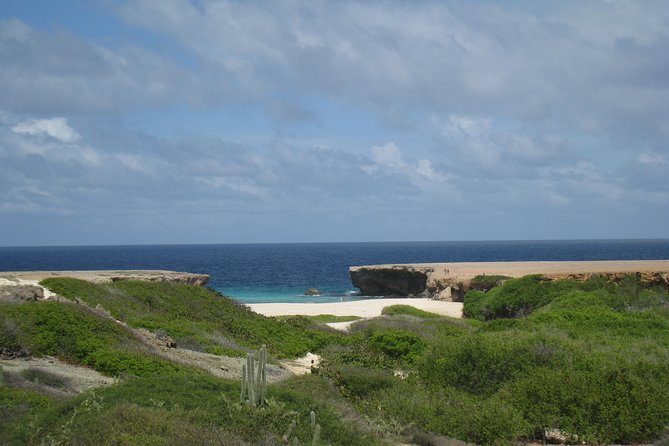
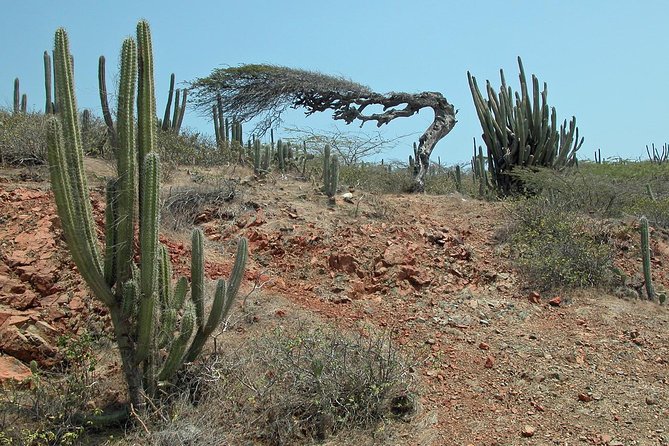
If you’ve only seen Aruba from resort paths and beach roads, Arikok can feel like stepping into another planet. The park is built from unusual geology and shaped by wind, sun, and time, so every turn tends to show a new mix of stone, scrub, and dry-season plants.
This experience is built for that “off the resort” feeling, but it’s not a survival challenge. You’re not signing up to cross glaciers. You’re signing up to walk a real desert route with guidance, then connect the dots between what you see on the ground and what the park is protecting.
And yes, it’s also practical. At $57 per person for about 3 hours—plus park fees, taxes, and water—you’re paying for a guided, ticketed chunk of time rather than just paying for a van ride and hoping you learn something on your own.
The 9:00 start, pickup timing, and that smooth drive into the park
The day begins at 9:00 am, with pickup offered from your hotel or cruise ship. That matters more than you might think. Aruba is spread out, and Arikok’s best moments happen when you arrive ready to walk—before heat turns every stop into a sweat session.
You’ll transfer to Arikok National Park, usually with a driver-guide included as part of the experience. Once you’re at the visitors area, you meet the park ranger guide who escorts you on the hike.
The usual rhythm is simple:
1) You’re collected,
2) you ride into the park,
3) you get oriented at the visitors center,
4) you hike with stops and explanations,
5) you’re dropped back after.
This structure is one reason this tour scores well for people who want nature without organizing transport, tickets, and directions themselves.
You can also read our reviews of more hiking tours in Aruba

Visitors’ Center orientation: endemic animals and the cododo, santanero, cascabel setup
Before your feet hit the trail, you get a short indoor grounding at the visitors center. It’s described as a modern, sustainable-design space and includes exhibits focused on Aruba’s endemic wildlife.
The standout benefit here is naming. When you learn the local names first, you stop seeing random lizards and start seeing specific species in your own notes. You’ll encounter (at least in the exhibit) animals such as:
- Aruban whiptail lizard (cododo)
- Aruban cat eye snake (santanero)
- Endangered rattle snake (cascabel)
Then your guide ties those names to what you might notice later outdoors. That’s where the experience becomes more than scenery: you’re training your eyes for the small details in the scrub.
Even if wildlife sightings are light that morning, you’ll still leave with a better sense of what the park is protecting, and why these creatures matter in a dry island ecosystem.
The desert hike itself: stairs, rocks, cactus risk, and how “adventurous” plays out
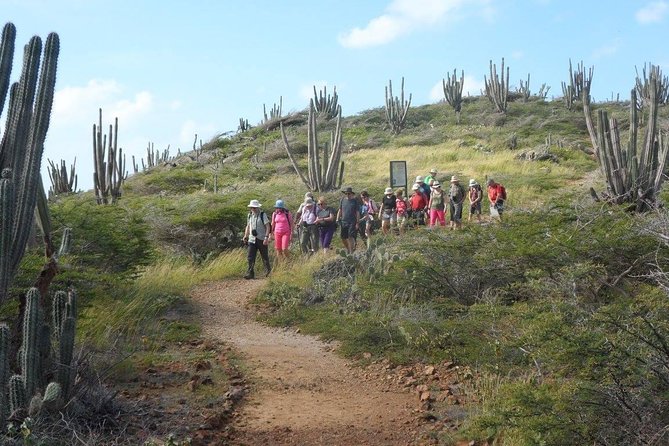
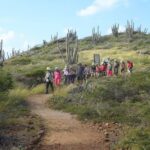
The hike is where the real-world Aruba desert shows up. It’s often described as easy to moderate, but don’t pack the wrong expectations. You’re walking through a landscape shaped by lava and limestone, which means uneven ground and surfaces that can be dusty and rocky.
Here’s what you should plan around:
- Footing: steps, rocks, and inclines show up during the walk.
- Cacti: you’re in cactus country. If you stroll off the obvious line, you may get poked.
- Weather swings: this is a nature outing, so rain can mean puddles and slick spots on some stretches.
- Heat: start at 9:00 am helps, but it can still get warm, and you may take more breathing pauses than you expect.
A practical tip from the vibe of the experience: wear pants and sneakers you trust. Hiking boots aren’t always necessary, but you do want shoes with real traction and decent protection for rocky steps.
Pacing can also feel different depending on your group. With up to 25 people, the guide may take stops for photos, explanations, and water moments. If you want the most detailed commentary, position yourself where you can hear well during the group stops.
Also, go in with the right attitude: this is a hike where you’re meant to look down and around. If your plan is to power-walk like a treadmill session, Arikok will feel slower than you expected.
Wildlife and plants: spotting Shoco, Prikishi, geckos, and the point of protected habitats
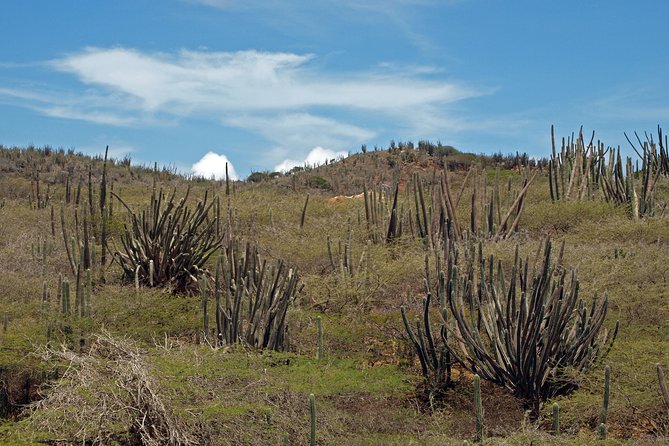
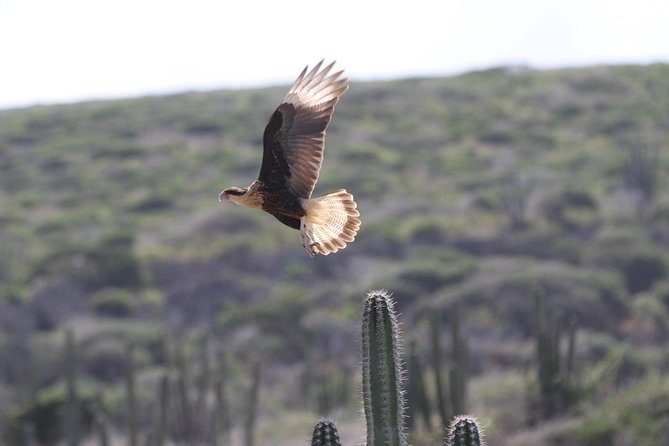
The tour’s big promise is learning the park’s flora and fauna, including several species that are strongly associated with Aruba:
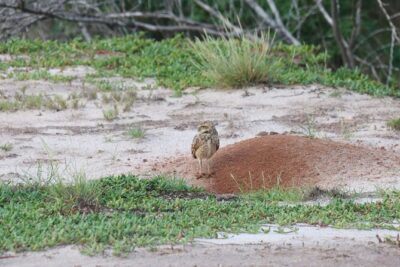
- Aruban burrowing owl (Shoco)
- Aruban whiptail lizard (cododo)
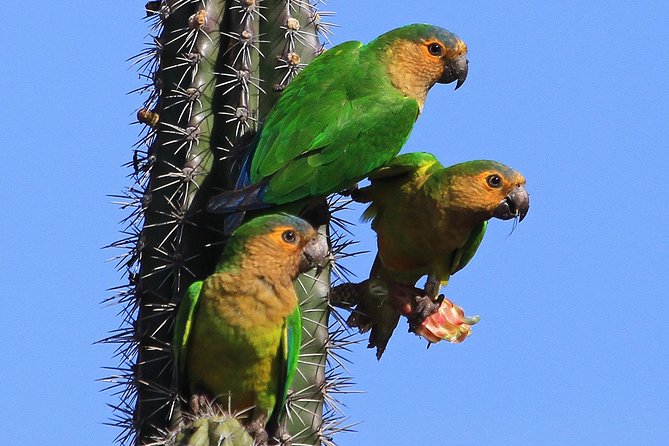
- Aruban parakeet (Prikishi)
- plus other native reptiles and birds you may encounter
Here’s the honest way to think about sightings: in a park this dry and this rocky, animals don’t always stand in front of you on schedule. Some people focus on birds and see less than they hoped. Others catch geckos, lizards, and a few birds once they slow down and watch carefully.
What you can count on is the teaching. Your guide helps you connect:
- plant shapes to their survival strategy,
- rock formations to how water and shelter work,
- and animal behavior to why some species are hard to spot.
Arikok also has “unusual land formations made from lava, quartz diorite and limestone.” That geology isn’t trivia. It affects the soil, the plant types, and the kinds of animals that can thrive.
If you’re the kind of traveler who likes learning names—cododo, Shoco, Prikishi—this is the kind of hike that makes those names stick. And once you recognize them, you start seeing Aruba’s character everywhere.
History stops that make the rocks feel human: old sites, cave art, and gold-mining context
Arikok isn’t only nature. It also holds layers of human history, and the guide may point out historical sites during the hike.
Based on what people experienced on the ground, you could see or learn about things like:
- indigenous cave paintings
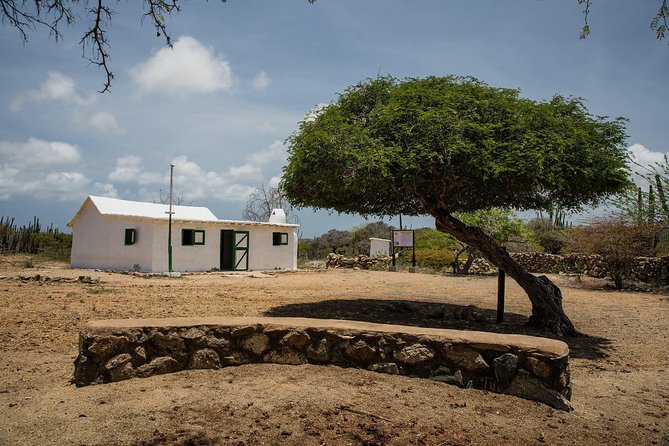
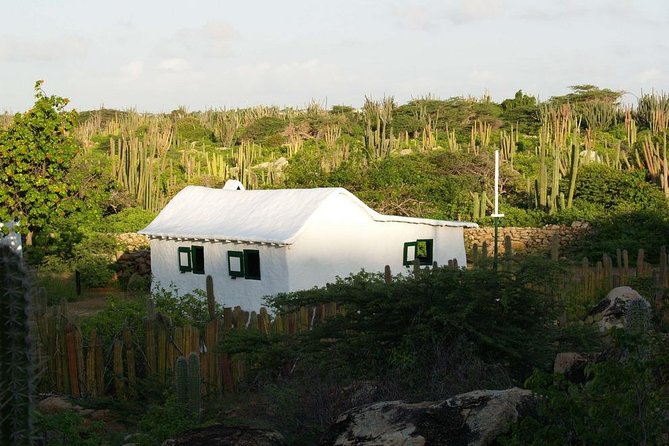
- an old adobe house
- a shaman site
- and context tied to gold mining within the park
You may also get broader context on the way in. Some guides incorporate route stories, including references to places like the Ayo rock formation and their cultural significance.
A big value here: the history is explained in plain language while you’re standing in the right setting. You’re not bouncing through a museum room trying to remember captions. You’re looking at the same kind of stone and scrub the story is built around.
One note to keep your expectations aligned: if your goal is coastal areas of the park, you might find this hike focuses more on certain internal highlights rather than the entire coastline. That’s fine if you want a desert-focused morning, less ideal if you want a beachy view day.






Price and value: what $57 includes, and what you’ll spend anyway
At $57 per person for about 3 hours, the pricing makes more sense when you break down what’s included.
Your ticket covers:
- local taxes
- national park fees
- bottled water
- a driver/guide and professional guide
- hotel/port pickup and drop-off
- the hiking experience itself
What’s not included is food and drinks unless specified.
So the real question becomes: are you getting a guided, ticketed park visit with transport? Yes. The tour isn’t just “here’s a trail.” You’re paying for park access, interpretation, and the convenience of not having to arrange transport to and from Arikok.
This is also the kind of tour where a guide can save you time in the long run. If you try to DIY it, you’ll spend effort figuring out the right route, how to spot species, and where to learn the meaning behind what you’re seeing.
If you do book, bring a small snack plan if you get hungry after. Many people finish feeling satisfied by the hike and water, but you won’t be ordering lunch from the tour.
Guide style matters: park ranger escort, or a company guide experience?
The experience is described as park ranger-guided. In practice, some people have reported that the person leading their hike was a company employee rather than a park ranger.
What this means for you: don’t assume every moment will match the word ranger exactly. But even when the guide isn’t literally a park employee, the tour still focuses on park-based interpretation and wildlife/plant learning.
If you care strongly about the ranger angle, ask a quick question when you confirm your booking: who will lead the hike, and what credentials do they have. Most guides can still be excellent, but it’s fair to line up expectations before you go.
Also, guide names that have been mentioned include Joshua (Josh), Brandon, Yuri, Uri, Chris, Ari, and Rambo. Different styles. Same goal: help you read the park like a living place, not just a pretty place.
Who this hike suits best on an Aruba trip (and who should think twice)
This tour fits best if you want:
- a guided walk in Arikok National Park
- learning time with plants and wildlife
- pickup convenience that gets you off resort roads
- a hike that’s active, but not a long endurance grind
It’s also a solid option for a range of ages. People have noted groups including adults well into their 60s, as long as everyone can handle steps and rocky desert ground.
There are limits to respect:
- Children must be accompanied by an adult
- Minimum age is 9 years
- You should have a strong physical fitness level
So if you have mobility issues with stairs, rocky steps, or cactus-adjacent desert walking, you might want a gentler option. Even when it’s not labeled extremely strenuous, this is still real terrain.
Practical tips so your Arikok morning goes smoothly
Here’s how to make this tour feel worth every minute:
Wear pants and tough sneakers
Dust and cacti are part of the deal. Even on a shorter route, you’ll want ankle support and fabric that won’t leave you exposed.
Stand where you can hear
With a larger group, it can be harder to follow every detail if you’re at the far end. If you want the best learning moments, aim for the front area during explanations and stops.
Bring a photo mindset, not a power-walk mindset
This hike rewards looking closely. Many highlights are small: plant adaptations, lizard behavior, bird movement, and the way geology shapes what grows.
Plan for sun and occasional wet patches
Start at 9:00 am to beat the worst heat, but still bring sun protection. If rain hits, expect puddles and slower footing for parts of the route.
Use the exhibit to your advantage
Before you hike, memorize a couple of names (cododo, Shoco, Prikishi). You’ll spot them faster, and the guide’s stories will make more sense.
Should you book this Arikok hiking experience?
I think you should book if you want a guided Arikok visit that balances learning and real desert walking, with pickup and national park fees included. It’s also a smart choice if you like nature names—cododo, Shoco, Prikishi—because the tour is built to connect those names to what you might see.
Skip it or choose another option if you want a totally flat stroll, if cactus risk makes you nervous, or if you strongly need coastal coverage in one morning. Also, if you expect a super strenuous workout, this one may feel more like a steady walk with steps and viewpoints than an all-out hike.
If you’re flexible and ready for Aruba’s desert reality, this is a great value way to see the park with interpretation instead of guessing your way through.
FAQ
What time does the Arikok hike start?
The start time is 9:00 am.
How long is the hiking experience?
The duration is about 3 hours.
Is hotel or cruise ship pickup included?
Yes. Hotel/port pickup and drop-off are included.
What should I wear for this hike?
Plan for dusty, rocky terrain and cacti. Wear pants and good sneakers.
Is there a minimum age for the tour?
Yes. The minimum age is 9 years, and children must be accompanied by an adult.
What happens if the weather is bad or I cancel?
This experience requires good weather. If it’s canceled due to poor weather, you’ll be offered another date or a full refund. You can cancel for a full refund up to 24 hours before the start time.