REVIEW · ARUBA
Half Day Hike at Arikok National Park & Snorkel
Book on Viator →Operated by Aruba Nature Adventures · Bookable on Viator
Some tours feel like a checklist. This one feels real.
You start with a museum stop at the Arikok Visitor Center, then head into the park toward the Conchi Natural Pool, where volcanic rock shapes a natural swimming spot. It is a smart mix of learning, walking, and a salty-water reward that is hard to replicate on Aruba’s beach strip.
I also like the small-group feel (max 10) and the fact that you get real guidance for the trail, not just a handoff at each stop. The main consideration: this is still a hike, so you’ll want moderate physical fitness, and water conditions can affect how long the snorkeling part feels like a true swim session.
In This Review
- Key highlights worth your attention
- Why Arikok Natural Park beats a beach-only Aruba day
- Arikok Visitor Center museum: the shortcut to understanding the park
- Sero Arikok trail segment: views, heat, and wildlife spotting potential
- Conchi Natural Pool: snorkeling in a volcanic-rock swimming bowl
- Moro Beach, dunes, and the seagrape forest: variety after the main workout
- Don Jacinto Restaurant stop (private option) and the full-body payoff
- Daimari Beach and ranch: the relaxed ending that fits Aruba
- How hard is the hike, really? (And what to bring)
- Pickup, transport, and how the route ends where it ends
- Price and value: is $115 a good deal for Aruba?
- Guide quality is the hidden ingredient
- Who should book this half-day hike and snorkel
- Should you book this tour?
- FAQ
- How much does the Arikok National Park hike and snorkel tour cost?
- How long is the tour?
- Is this a small-group experience?
- Do you offer hotel pickup or transportation?
- What snorkeling gear is provided?
- Is the Arikok entrance fee included?
- What fitness level do I need?
- Can I cancel for a full refund?
Key highlights worth your attention
- Museum-first approach at the Arikok Visitor Center to understand what you’re walking through
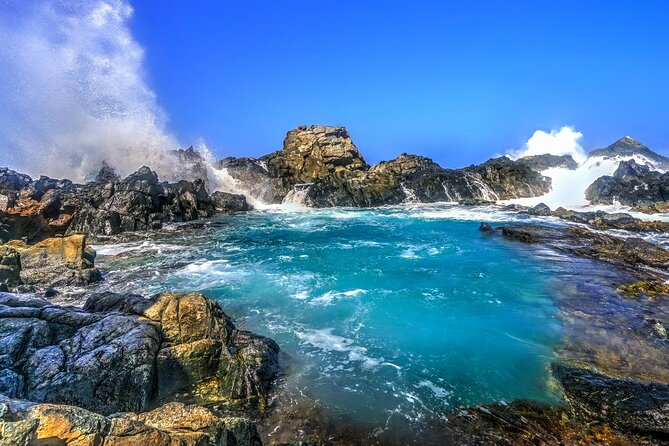
- Conchi Natural Pool snorkeling and swimming in a rock “circle” carved by the sea
- Sero Arikok viewpoints early in the route, with chances to spot wildlife and local plants
- Moro Beach and dunes plus a seagrape forest stop to keep the scenery varied
- Daimari Beach wind-down with sea grape trees and a coconut farm setting
- Water, fruit, and snorkel gear included so you’re not scrambling mid-adventure
Why Arikok Natural Park beats a beach-only Aruba day
Aruba has gorgeous coastlines, no argument. But the island’s interior is a different Aruba—dry scrub, rock formations, odd little plants clinging to limestone, and wild-looking coasts that feel far from the umbrellas. This half-day itinerary is built for people who want to trade some lounge time for walking through the island’s real “how it works.”
The value here is how the tour structures your time. You don’t just show up at one spot and move on. You start with context, then do a route that moves through multiple park-feeling zones, and you finish at a beach area where you can cool off and reset. If you like your vacations with a bit of effort—and a payoff—this format makes sense.
You can also read our reviews of more hiking tours in Aruba
Arikok Visitor Center museum: the shortcut to understanding the park
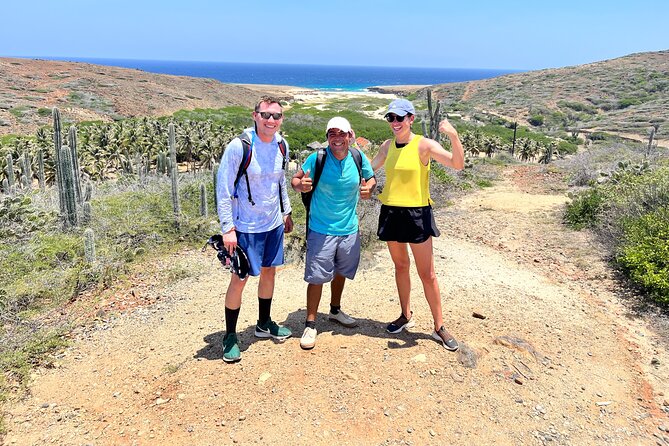
Before boots hit trail, you stop at the Arikok Visitor Center museum. The point is not to sit in a classroom for an hour. It’s to get the quick story of Aruba’s history, flora, and fauna so the plants and animals you see later feel less random.
Even in a short visit, it helps you notice details: cactus types, how the coastline connects to the volcanic rock, and why certain areas look the way they do in this dry climate. When the guide starts naming what you’re seeing—rather than just pointing—it turns the hike from scenery into a guided nature walk.
Practical upside: if you’ve only got a few hours, this “start smart” approach helps you get more out of every stop.
Sero Arikok trail segment: views, heat, and wildlife spotting potential
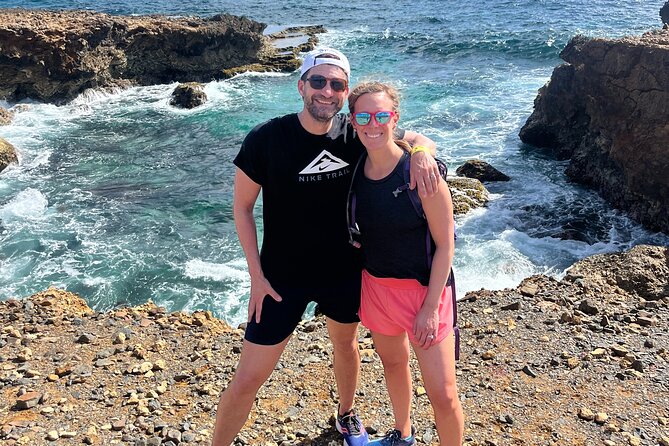
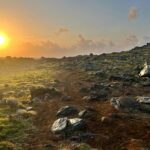
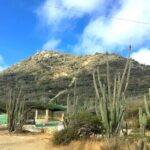
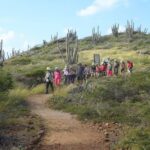
After the museum, the route continues past Sero Arikok, a standout reference point in the park. This is the portion where you start to feel the terrain—more sun exposure, more uneven ground, more places where footing matters.
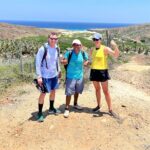
That is also where a good guide earns their keep. Guides on this tour are known for sharing real details about the park’s animals and plants. You might hear about things like burrowing owls and edible cactus berries, and you’ll get context for why those survive here. One family-friendly touch mentioned in the feedback: guides coached people at a pace that kept everyone moving comfortably, instead of dragging the group forward.
Keep your expectations honest here. This isn’t a paved stroll. You’ll want to move steadily, drink water, and let the views land as you catch your breath.
Conchi Natural Pool: snorkeling in a volcanic-rock swimming bowl
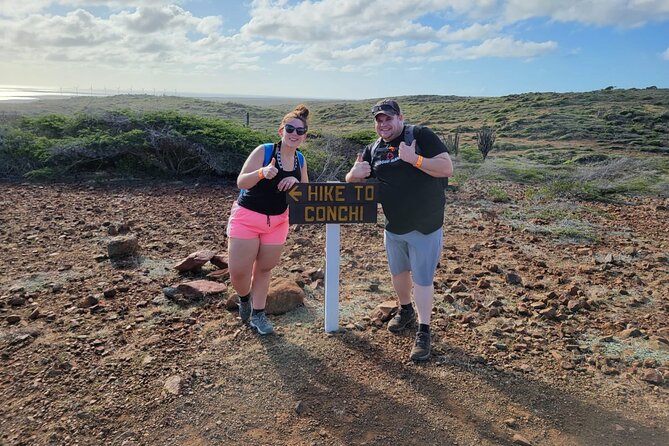
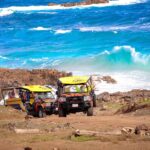
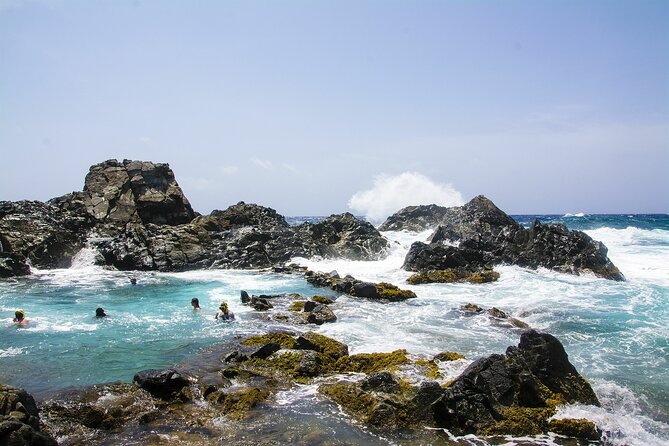
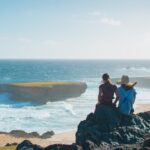
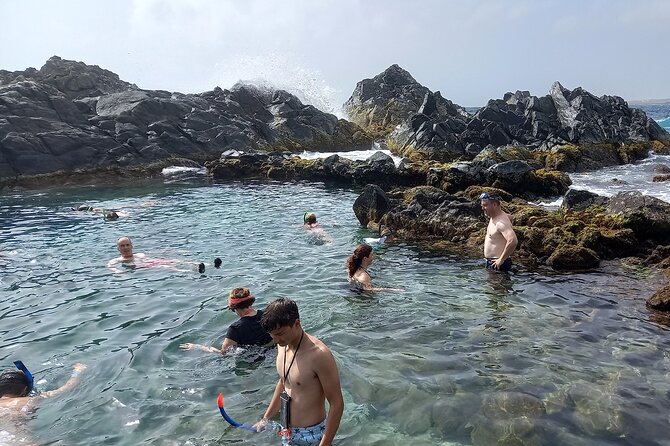
The highlight most people remember is Conchi Natural Pool. The setting is the main reason this stop hits: ocean and volcanic stone have shaped a small rock circle over thousands of years, creating a calm-feeling area where you can swim and cool down.
Snorkeling equipment is included, and the stop includes admission. That means you’re not paying extra for gear or park entry once you’re already on the tour. You also get water provided, plus fruit, so you can rehydrate before and after your time in the pool.
One thing to plan for: this is the ocean. Sometimes conditions are less cooperative than the postcard version. The good news is that even if snorkeling time feels shorter on a given day, swimming and cooling off at Conchi still works as a serious break from the hike. It is part swim stop, part nature attraction, and it’s usually the moment that makes the walking feel worth it.
Moro Beach, dunes, and the seagrape forest: variety after the main workout
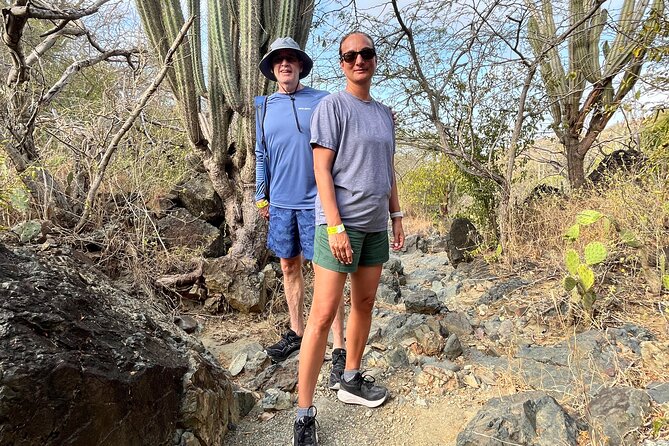
Once you leave Conchi, the tour keeps moving through the park with additional coastal scenery. You head toward Moro Beach and the surrounding dune area, then through a seagrape forest stretch.
A few details make this portion fun:
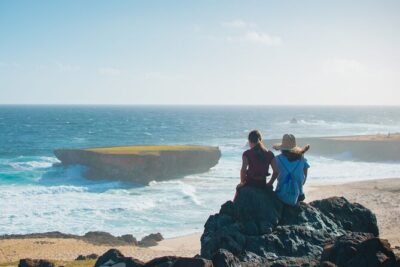
- Moro Beach includes a rock formation shaped like Aruba’s map, which is a neat photo subject and a good landmark for your route.
- The dunes are described as an easy-to-miss area inside the park. These breaks are important because they add variety after the earlier “hike to the natural pool” rhythm.
- The seagrape setting matters because it signals a different type of vegetation and coastline ecology than the dry scrub you might have seen earlier.
This is also a mental reset zone. By now, you’ve had your big payoff stop. The rest feels more like you’re exploring the park’s edges than chasing a single finish line.





Don Jacinto Restaurant stop (private option) and the full-body payoff
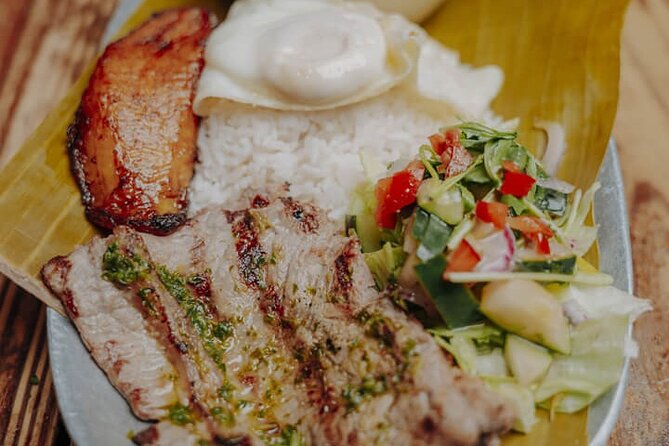
There is an additional restaurant stop built in for the private tour option: Don Jacinto Restaurant. This is scheduled after the longer hike segment, and it functions as a “you did it” moment before the final beach wind-down.
What you get on the restaurant option is a two-course meal: soup and a main dish, plus a refreshing drink. If you want a half-day that ends with real food instead of just snacks, this is where that happens.
Even if you don’t choose the restaurant add-on, the structure still works because the tour ends at Daimari Beach. So you’ll have a place to cool off and settle your body after the walking.
Daimari Beach and ranch: the relaxed ending that fits Aruba
The tour finishes at Daimari Beach, known for sea grape trees and a coconut farm setting. This is a nice contrast to the earlier dry, rocky terrain. The beach finish gives you time to rinse off, stretch out, and treat the rest of the day as yours.
In other words: your hike has a natural arc. You get the museum context, a prime park highlight, multiple scenery stops, and then you land in a quieter-feeling beach area where you can actually enjoy the slower pace.
If you’re trying to plan the rest of your Aruba day, this ending helps. You can head onward with fewer regrets, because you’ve already gotten your “park fix.”
How hard is the hike, really? (And what to bring)
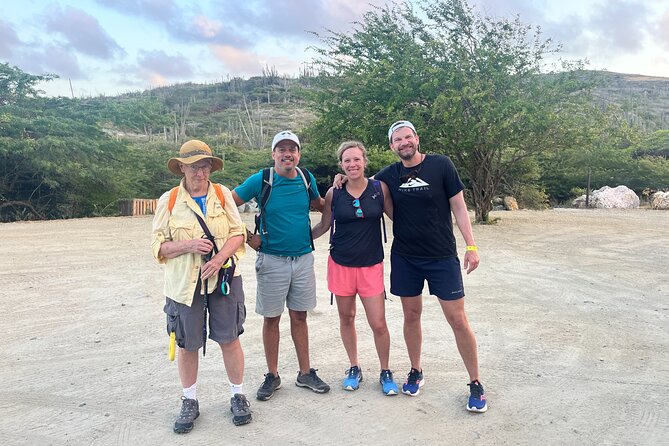
The tour is described for travelers with moderate physical fitness, and the feedback backs up that it’s not for people who want a gentle stroll. Expect uneven ground and heat management. Even when the route is well paced, your legs will notice you did a real walk.
Here is what matters for preparation, based on what people emphasize:
- Wear swim-ready clothes if you want to jump into Conchi comfortably.
- Bring a towel so you’re not trying to dry off with whatever you packed for the beach.
- Apply sunscreen before you start. This area is open and the sun can be a factor.
- Bring a light layer if you get cold after swimming, but don’t overpack. You’re already carrying water and gear handled by the tour.
Also, choose shoes with traction. You don’t need hiking boots, but you do need something that handles rocky terrain with confidence.
Pickup, transport, and how the route ends where it ends
The experience offers pickup, and it’s designed to reduce friction. If you opt for transportation (an optional add-on), transfers are included in that option.
The route is set up with different start and finish logistics: you start at Arikok National Park (Arikok Visitor Center area), and you end at Daimari Beach. From there, you receive a complimentary transfer to the Arikok Info Center. If you booked transportation, then the transfer continues to your hotel.
That matters because it lets you avoid the Aruba-style problem where you hike one place and then spend your energy figuring out how to get back. The tour does the heavy lifting for you.
Price and value: is $115 a good deal for Aruba?
At $115 per person, this tour is in the “you’ll feel it, but it’s worth it” category—if you care about the park and the water stop.
Here is what you’re getting for the money:
- Arikok entrance fee included
- Snorkeling equipment included
- Water and fruit included
- A small-group size (max 10)
- The itinerary includes the key park stops: museum, Sero Arikok views, Conchi Natural Pool, Moro Beach/dunes, and Daimari Beach
You’re not paying extra for park entry or gear. That alone can tip the value quickly if you were planning to do this independently.
What can add cost:
- Tips are not included.
- Transportation is optional (and basic pricing does not include it).
- A lunch stop at a local restaurant is tied to the private tour option.
So the real question is your travel style. If you want to see Aruba beyond the beach strip and you want guided context plus snorkeling gear, $115 feels fair. If you’re only chasing a beach swim and you hate hikes, then this price won’t feel as efficient.
Guide quality is the hidden ingredient
This tour’s reviews consistently point to guides who teach as they walk. Names that come up include Jorge, Jason, Darrell, Mick, and Iris. What matters is not celebrity names—it’s the pattern behind them: friendly, attentive guidance, plus specifics about plants, animals, and Aruba’s culture and park geology.
If you like asking questions, you’ll probably enjoy this format. A good guide changes how you experience the same trail. You stop seeing it as “rocks and sun” and start seeing it as a system with survival strategies.
There is also a practical safety vibe mentioned in feedback: for example, a guide was described as vigilant for a person with type 1 diabetes. That kind of attention is not guaranteed on every day, but it aligns with why so many people feel cared for on this specific tour.
Who should book this half-day hike and snorkel
Book it if you:
- Want a park-focused Aruba day with real walking plus a swimming payoff
- Like small groups and guides who share more than directions
- Are comfortable with moderate fitness and uneven terrain
- Want snorkeling equipment provided, not rented on your own
Skip it (or pick a gentler option) if you:
- Can’t handle heat and rocky footing
- Want a totally easy stroll with no effort
- Have zero interest in snorkeling or swimming at Conchi
If your ideal Aruba day includes views, nature talk, and the kind of finish where you can flop on a beach afterward, this fits.
Should you book this tour?
Yes—if you’re the type who likes your vacation with a bit of movement and a clear payoff. The big reason to book is the structure: museum context, a meaningful park hike, a genuine natural pool swim stop, then a calm beach ending at Daimari. That combination turns a half day into a complete story.
If you’re on the fence, make the call this way: do you want Aruba’s interior, or do you just want more beach time? If interior is calling, this is one of the best ways to get it in only a few hours.
FAQ
How much does the Arikok National Park hike and snorkel tour cost?
The price is $115.00 per person.
How long is the tour?
The tour runs about 4 to 5 hours.
Is this a small-group experience?
Yes. The maximum group size is 10 travelers.
Do you offer hotel pickup or transportation?
Pickup is offered. If you choose transportation (optional), transfers to your hotel are included. After the tour ends at Daimari Beach, you also receive a complimentary transfer to the Arikok Info Center.
What snorkeling gear is provided?
The tour includes the use of snorkeling equipment for the Conchi Natural Pool stop.
Is the Arikok entrance fee included?
Yes. The Arikok entrance fee is included.
What fitness level do I need?
The tour is best for people with moderate physical fitness, since it involves hiking.
Can I cancel for a full refund?
Yes. You can cancel up to 24 hours in advance for a full refund. If you cancel less than 24 hours before the start time, the amount paid is not refunded.